
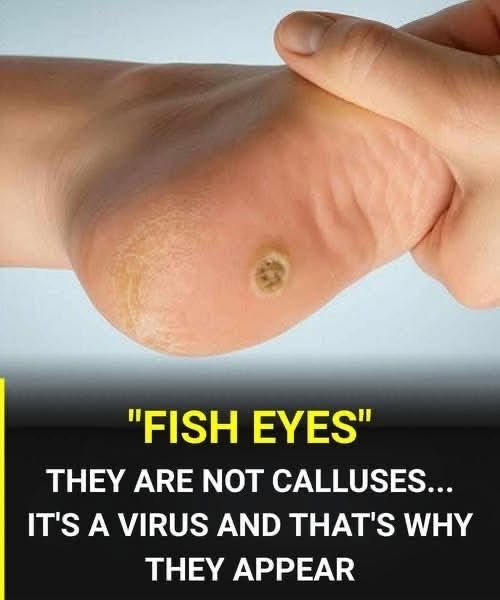
A rough, thickened patch on the bottom of your foot may seem like a simple callus. However, not every hardened area of skin develops from friction alone. In some cases, what appears to be a callus may actually be a plantar wart. Because these conditions have different causes and respond to different treatments, knowing how to tell them apart can help prevent unnecessary discomfort and guide appropriate care.
Plantar Warts vs. Calluses - How to Tell the Difference (And Why It Matters for Treatment) explains the key distinctions, common symptoms, treatment options, and situations where professional evaluation is important.
A friend once assumed a painful spot on the ball of their foot was a stubborn callus caused by running shoes. After weeks of filing and moisturizing, the area became increasingly tender. A visit to a podiatrist revealed that the lesion was actually a plantar wart. Once the correct diagnosis was made, treatment became much more effective. That experience highlights why accurate identification matters.
Understanding the Difference
What Is a Callus?
A callus is an area of thickened skin that develops in response to repeated friction or pressure.
Common causes include:
- Tight footwear
- Frequent walking
- Running
- Standing for long periods
- Structural foot differences
Calluses form as a protective response.
They are not infections and are not contagious.
Most commonly, they appear on:
- Heels
- Balls of the feet
- Areas exposed to repeated pressure
The skin usually appears thick, yellowish, and uniform.
What Is a Plantar Wart?
A plantar wart develops when certain strains of the human papillomavirus (HPV) enter the skin through tiny cuts or abrasions.
Unlike calluses, plantar warts are caused by a viral infection.
They may appear:
- On the heel
- Under the toes
- On weight-bearing areas
- Anywhere on the sole
Because walking pushes the wart inward, plantar warts often grow beneath the surface rather than protruding outward.
Key Signs That Help Distinguish Them
Visual Differences
Several clues can help differentiate a callus from a plantar wart.
A callus typically:
- Appears smooth or uniformly thickened
- Has a yellowish appearance
- Allows normal skin lines to continue through it
A plantar wart often:
- Has a rougher surface
- Interrupts normal skin lines
- Contains tiny dark dots
These dark dots are not seeds.
They are actually small clotted blood vessels within the wart.
This is one of the most recognizable signs of a plantar wart.
Differences in Pain
Pain patterns can also provide clues.
Calluses often hurt when:
- Standing
- Walking
- Direct pressure is applied from above
Plantar warts frequently hurt when:
- Pinched from the sides
- Compressed laterally
- Pressure is applied around the lesion
Although this is not a perfect test, it can sometimes help distinguish between the two conditions.
Why Correct Identification Matters


Leave a Reply