
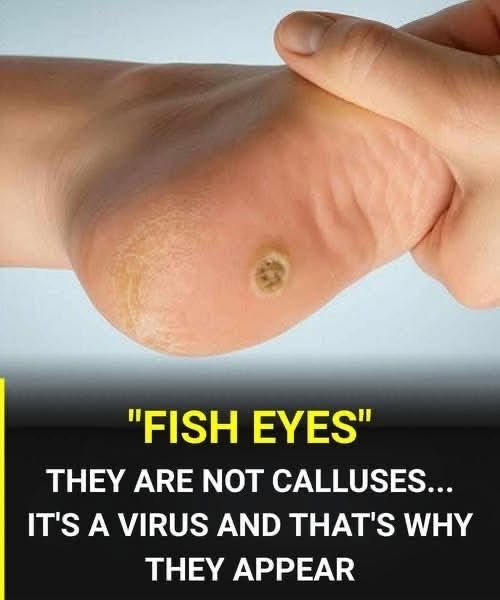
Treating a Wart Like a Callus
When people mistake plantar warts for calluses, they often focus on removing thickened skin.
Common approaches include:
- Filing
- Shaving
- Excessive moisturizing
While these methods may temporarily reduce surface thickness, they do not address the underlying virus.
In some cases, aggressive filing may even irritate surrounding skin.
Understanding Natural Resolution
The good news is that many plantar warts eventually disappear without treatment.
The immune system often recognizes and clears the virus over time.
However, spontaneous resolution may take:
- Several months
- One to two years
Treatment is often pursued because of:
- Pain
- Cosmetic concerns
- Spread to additional areas
The decision depends on individual circumstances.
Evidence-Based Treatment Options
Treatment for Calluses
Managing calluses usually focuses on reducing pressure and friction.
Helpful strategies include:
- Wearing properly fitted shoes
- Using protective pads
- Moisturizing regularly
- Gentle filing after bathing
Addressing the source of pressure is often the most important step.
Without reducing friction, calluses frequently return.
Treatment for Plantar Warts
Plantar wart treatments aim to remove infected tissue or stimulate the immune response.
Common options include:
- Salicylic acid preparations
- Cryotherapy (freezing)
- Prescription medications
- Professional removal procedures
Because plantar warts can be persistent, treatment may require patience and repeated applications.
Many people benefit from professional guidance when over-the-counter options prove unsuccessful.
When to Seek Medical Attention
Situations Requiring Professional Evaluation
Although many foot lesions are benign, certain situations warrant medical assessment.
Consult a healthcare professional if:
- Pain interferes with walking
- The lesion spreads
- Bleeding occurs
- Color changes develop
- Growth is rapid
- Home treatment fails after several months
Professional evaluation helps confirm the diagnosis and rule out other conditions.
Special Considerations for Certain Individuals
People with certain medical conditions should avoid self-treatment without guidance.
This includes individuals with:
- Diabetes
- Peripheral vascular disease
- Poor circulation
- Weakened immune systems
Even minor foot injuries can pose additional risks in these populations.
Professional care is especially important.
Frequently Asked Questions
Are plantar warts contagious?
Yes. Plantar warts result from HPV infection, although transmission usually requires direct contact and a break in the skin.
Do calluses contain black dots?
No. Black dots are characteristic of plantar warts and represent tiny clotted blood vessels.
Can a plantar wart go away on its own?
Yes. Many plantar warts eventually resolve without treatment, although the process may take months or even years.
Should I cut off a plantar wart at home?
No. Attempting to cut or remove a wart yourself may cause injury, infection, or further irritation.
When should I see a doctor?
Seek evaluation if the lesion is painful, spreading, changing appearance, or if you have diabetes, circulation problems, or immune system concerns.
Conclusion
Plantar Warts vs. Calluses - How to Tell the Difference (And Why It Matters for Treatment) highlights an important reality: while these two conditions may look similar at first glance, they arise from very different causes and require different approaches to care.
Calluses develop from pressure and friction, while plantar warts result from viral infection. Paying attention to skin lines, black dots, pain patterns, and lesion appearance can provide valuable clues. When uncertainty exists, professional evaluation offers the safest path toward accurate diagnosis and effective treatment. Understanding the difference not only improves treatment outcomes but also helps protect the long-term health and comfort of your feet.


Leave a Reply