
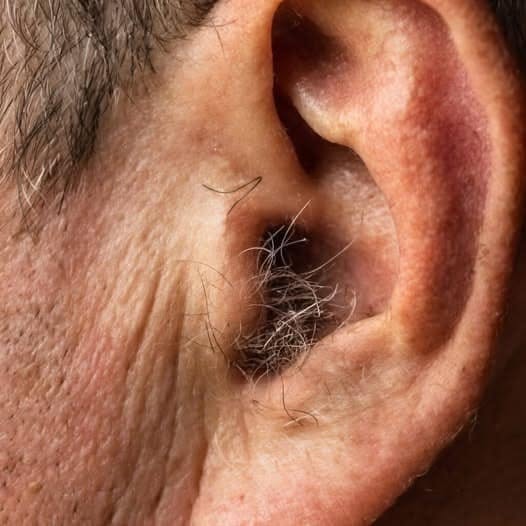
The Aging Change Nobody Talks About
Many people notice it unexpectedly.
Perhaps you’re shaving one morning or washing your face when you spot a few coarse hairs growing from your ears. At first, it may seem surprising. Some people feel embarrassed, while others wonder whether it signals a health problem.
Over the years, countless myths have circulated about ear hair. Some claim it’s linked to heart disease. Others suggest it reflects poor hygiene or unusual hormone problems.
The truth is much simpler.
For most people, ear hair is a completely normal part of aging. It’s not a disease, a warning sign, or a reflection of cleanliness. Instead, it’s one example of how the body changes over time as hormones, genetics, and hair follicles continue evolving throughout life.
Understanding why ear hair appears can help replace concern with confidence.
Why Ear Hair Develops as We Age
Hair growth is influenced by a combination of factors.
These include:
- Hormones
- Genetics
- Age
- Individual biology
As we get older, changes in these systems affect where hair grows, how thick it becomes, and how noticeable it appears.
Hormones Play a Major Role
One of the biggest influences on hair growth is a group of hormones called androgens.
What Are Androgens?
Androgens include hormones such as:
- Testosterone
- Dihydrotestosterone (DHT)
Both men and women produce these hormones, although levels differ.
These hormones affect hair follicles throughout the body.
Why Hair Growth Changes
As people age, some hair follicles become more sensitive to androgen stimulation.
This increased sensitivity can encourage growth in areas such as:
- Ears
- Nose
- Eyebrows
- Face
At the same time, scalp follicles may become less productive, leading to thinning hair on the head.
This combination creates the common pattern many people notice later in life.



Leave a Reply