
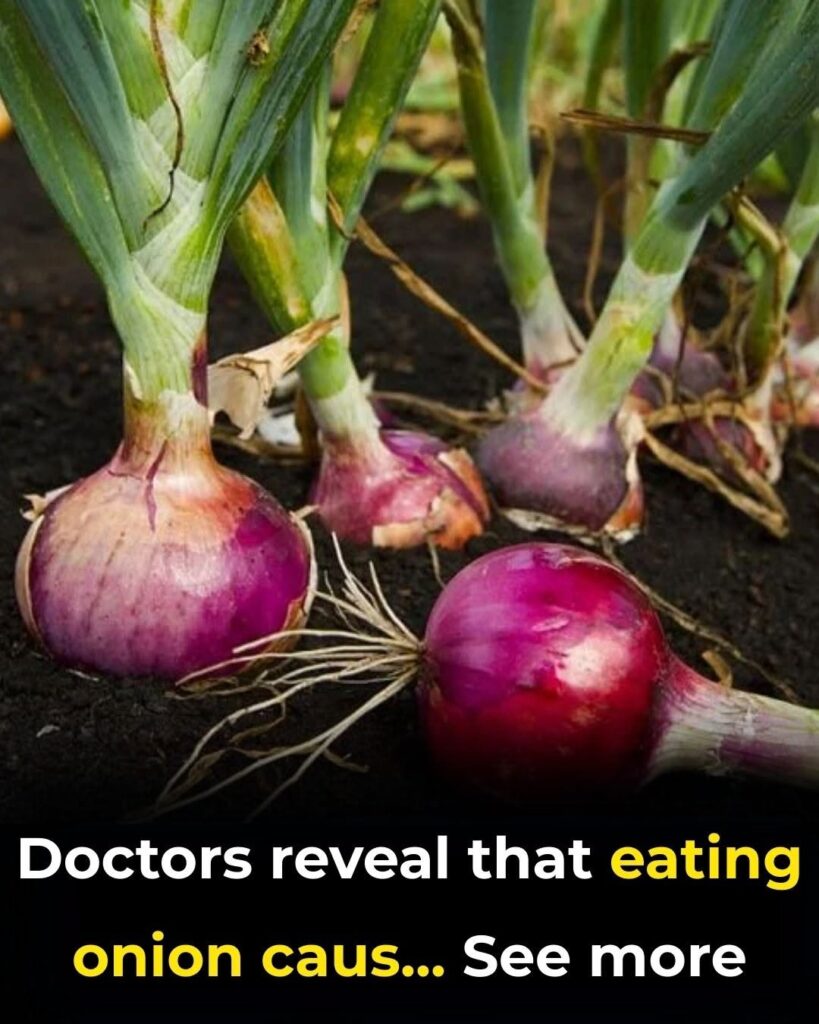
You’ve probably seen dramatic headlines claiming that onions are dangerous or harmful. However, when doctors and nutrition experts examine the scientific evidence, a very different picture emerges. For most people, onions are one of the healthiest vegetables available, offering a wide range of benefits that support heart health, digestion, immunity, and overall wellness.
While certain individuals may experience digestive discomfort or sensitivities, the vast majority of people can enjoy onions as part of a balanced diet. Understanding both the benefits and potential concerns helps separate facts from myths and allows you to make informed choices about this common kitchen staple.
Why Onions Have Been Valued for Centuries
A Nutritional Powerhouse
Onions belong to the allium family, which also includes garlic, leeks, and shallots. These vegetables contain powerful plant compounds that have attracted scientific interest for decades.
A single onion provides vitamin C, vitamin B6, folate, potassium, and fiber. More importantly, onions contain antioxidants and sulfur compounds that may contribute to many of their health-promoting effects.
Because onions are low in calories and rich in nutrients, they fit easily into many healthy eating patterns.




Leave a Reply