
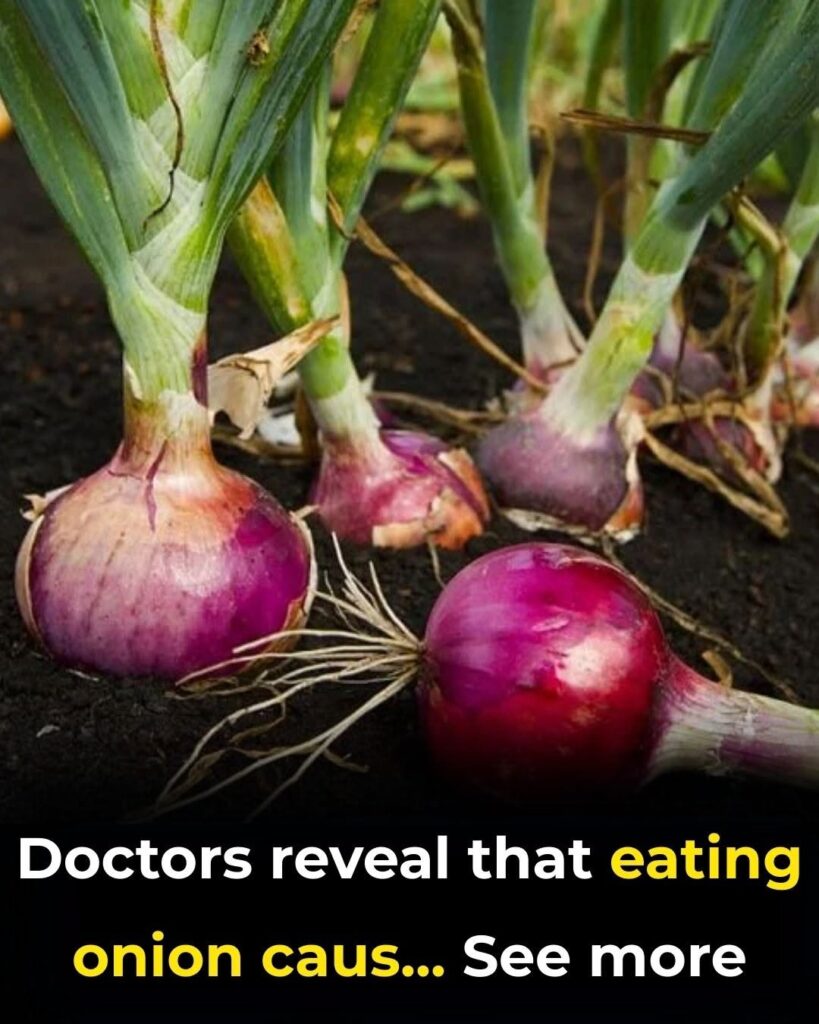
Rich in Protective Antioxidants
One of the most important compounds found in onions is quercetin. This natural antioxidant helps protect cells from oxidative stress caused by free radicals.
Researchers believe antioxidants may play a role in reducing chronic inflammation, which has been linked to heart disease, diabetes, and other long-term health conditions.
Regular consumption of antioxidant-rich foods like onions may help support overall health and healthy aging.
The Proven Health Benefits of Eating Onions
Supporting Heart Health
Many health professionals recommend vegetables as part of a heart-friendly diet, and onions are no exception.
Studies suggest that compounds found in onions may help:
- Support healthy blood pressure levels
- Improve blood vessel function
- Reduce inflammation
- Support healthy cholesterol levels
Although onions are not a cure or treatment for heart disease, they can contribute to a heart-healthy lifestyle when combined with regular exercise and balanced nutrition.
Helping Regulate Blood Sugar
Research has also explored the relationship between onions and blood sugar control.
Certain sulfur-containing compounds may help improve insulin sensitivity and support normal glucose metabolism. As a result, onions may be a useful addition to a diet designed to maintain healthy blood sugar levels.
People with diabetes should still follow medical advice and prescribed treatment plans, but including onions in meals may offer additional nutritional benefits.
What Onions Do for Your Digestive System
Feeding Healthy Gut Bacteria
Onions contain prebiotic fibers, particularly inulin and fructooligosaccharides. Unlike regular fiber, prebiotics serve as food for beneficial bacteria living in the digestive tract.
A healthy gut microbiome has been associated with:
- Better digestion
- Improved immune function
- Enhanced nutrient absorption
- Greater overall wellness
By nourishing beneficial bacteria, onions may indirectly support many important bodily functions.
Promoting Regular Digestion
Fiber found in onions can also contribute to digestive regularity.
Many people struggle to consume enough fiber daily. Adding onions to soups, salads, stir-fries, and roasted vegetable dishes can help increase overall fiber intake while enhancing flavor naturally.
As with any high-fiber food, increasing intake gradually may help reduce temporary digestive discomfort.
Potential Side Effects Some People Experience
Digestive Sensitivity
Although onions provide many benefits, they are not ideal for everyone.
People with irritable bowel syndrome (IBS) or sensitivity to FODMAP foods may experience:
- Bloating
- Gas
- Stomach discomfort
- Digestive upset
Raw onions tend to trigger symptoms more frequently than cooked onions because cooking can break down some of the compounds responsible for digestive issues.
Individuals who notice recurring symptoms after eating onions may benefit from discussing dietary adjustments with a healthcare professional.
Acid Reflux and Heartburn
For some people, onions may worsen symptoms of acid reflux or gastroesophageal reflux disease (GERD).
This effect appears to be more common with raw onions, which can relax the lower esophageal sphincter and allow stomach acid to move upward.
People who experience heartburn after consuming onions may find that cooked onions are easier to tolerate.
Can Onions Cause Allergic Reactions?
Rare but Possible
True onion allergies are relatively uncommon but can occur.
Symptoms may include:
- Itching
- Skin rash
- Swelling
- Digestive distress
- Difficulty breathing in severe cases
Anyone experiencing symptoms suggestive of an allergic reaction should seek medical evaluation.
Distinguishing Allergy from Intolerance
Many people confuse food intolerance with food allergy.
An intolerance generally causes digestive symptoms without involving the immune system, while an allergy triggers an immune response.
Understanding the difference is important because food allergies may require stricter avoidance and medical guidance.
Raw vs. Cooked Onions: Which Is Better?
Benefits of Raw Onions
Raw onions retain the highest concentration of certain antioxidants and sulfur compounds.
They add crisp texture and sharp flavor to:
- Salads
- Sandwiches
- Salsas
- Burgers
Because they undergo minimal processing, raw onions preserve many naturally occurring nutrients.
Advantages of Cooked Onions
Cooking softens onions and creates a sweeter flavor profile.
Additionally, cooked onions are often easier to digest for individuals who experience discomfort from raw varieties.
Roasting, sautéing, and caramelizing onions can make them more enjoyable while still preserving many beneficial compounds.
Frequently Asked Questions
Do onions cause cancer?
No. Current scientific evidence does not support claims that onions cause cancer. In fact, onions contain compounds that researchers have studied for potential protective effects.
Can onions lower blood pressure?
Some research suggests compounds in onions may help support healthy blood pressure levels as part of an overall healthy diet.
Why do onions make some people bloated?
Onions contain fermentable carbohydrates that can cause gas and bloating in sensitive individuals, particularly those with IBS.
Are red onions healthier than white onions?
Both varieties are nutritious. However, red onions often contain slightly higher levels of certain antioxidants.
How often should you eat onions?
There is no specific recommendation. Most people can safely enjoy onions regularly as part of a balanced diet.
Final Thoughts
Doctors and nutrition experts generally agree that onions are a highly nutritious food with numerous potential health benefits. They may support heart health, digestive wellness, blood sugar control, and overall nutrition. While some individuals may experience digestive sensitivity or intolerance, these issues are usually manageable and do not apply to most people.
Rather than fearing sensational headlines, focus on the broader scientific evidence. For many individuals, adding onions to meals is a simple and flavorful way to increase vegetable intake and support long-term health.



Leave a Reply