
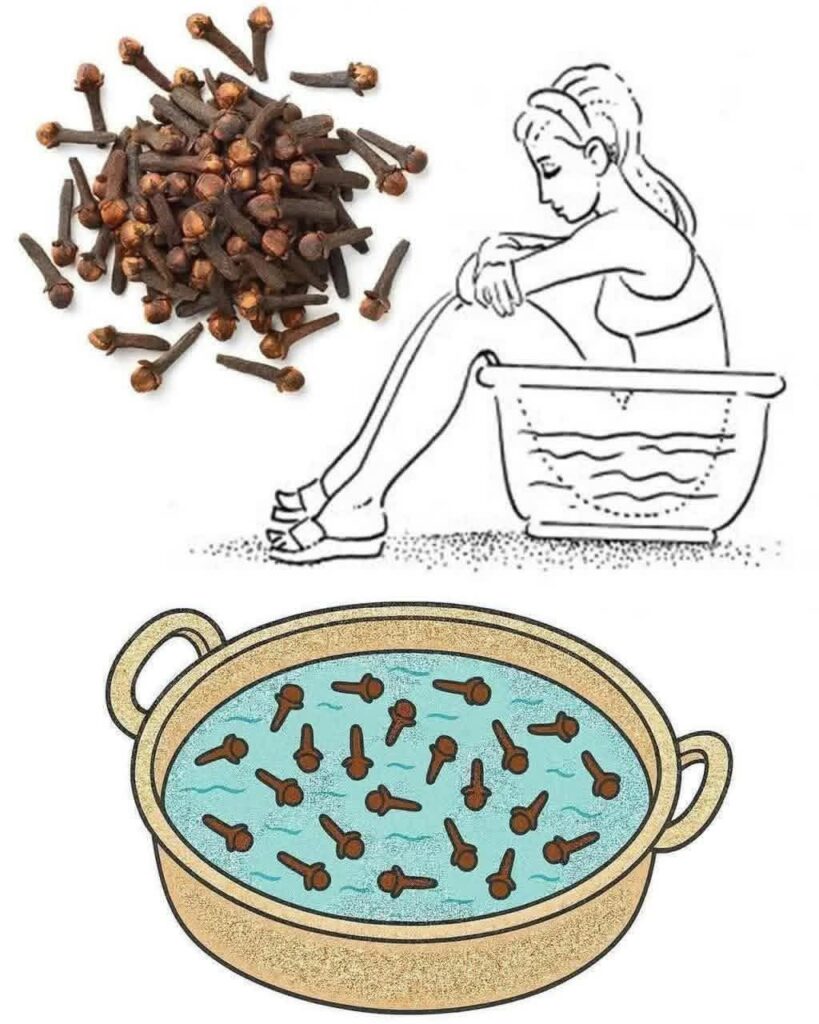
Perineal discomfort can significantly affect daily comfort and quality of life. Whether related to postpartum recovery, hemorrhoids, minor irritation, or healing after a small tear, finding gentle ways to support comfort is often a priority. Among traditional home remedies, sitz baths have long been recommended as a simple and effective way to soothe sensitive tissues.
Clove Water Sitz Baths: A Gentle, Science-Backed Soak for Perineal Comfort explores what a sitz bath is, what science says about clove’s active compounds, how to prepare a diluted clove water soak safely, and important precautions to keep in mind.
I first learned about herbal sitz baths from a friend recovering after childbirth. While warm water alone provided relief, she was curious about traditional plant-based additions that had been used for generations. Her healthcare provider emphasized that comfort measures could complement-but never replace-appropriate medical care. That balanced perspective highlights the role of remedies like clove water: supportive, soothing, and best used thoughtfully.
Understanding Sitz Baths
What Is a Sitz Bath?
A sitz bath is a shallow warm-water soak designed to immerse the:
- Perineal area
- Buttocks
- Hips
Unlike a full bath, only the affected area is submerged.
Sitz baths are commonly recommended for:
- Postpartum recovery
- Hemorrhoids
- Minor perineal tears
- Anal fissures
- General irritation
Warm water alone often provides significant comfort by improving circulation and relaxing tissues.
Why Warm Water Helps
Warm water may help by:
- Increasing blood flow
- Reducing muscle tension
- Supporting gentle cleansing
- Promoting comfort during healing
These benefits explain why sitz baths remain widely recommended by healthcare professionals.
What Makes Cloves Special?
The Active Compound: Eugenol
Cloves come from the dried flower buds of Syzygium aromaticum.
Their primary active compound is eugenol.
Eugenol has been studied for its:
- Mild analgesic properties
- Anti-inflammatory activity
- Antimicrobial effects
- Antioxidant properties
In fact, eugenol has long been used in dental settings because of its ability to provide temporary soothing effects.
What Research Actually Shows
Research supports eugenol’s biological activity in laboratory and clinical settings.
Studies suggest it may:
- Help reduce inflammation
- Provide temporary topical comfort
- Inhibit certain microorganisms
However, it’s important to understand that research specifically examining clove water sitz baths remains limited.
Most evidence relates to clove compounds themselves rather than sitz bath use specifically.
Potential Benefits of a Clove Water Sitz Bath
Comfort and Soothing Support
When properly diluted, clove water may provide a gentle herbal addition to a traditional sitz bath.
Potential benefits include:
- Temporary soothing of irritated tissues
- Warm-water comfort
- Supportive cleansing
- Relaxation of the affected area
Many users appreciate the combination of warmth and the mild aromatic qualities of cloves.
A Complementary Approach
Clove water should be viewed as a complementary comfort measure.
It is not intended to:
- Treat infections
- Replace prescribed medications
- Substitute for professional evaluation
Instead, it may be used alongside medically appropriate care when approved by a healthcare provider.
How to Prepare a Clove Water Sitz Bath Safely




Leave a Reply