
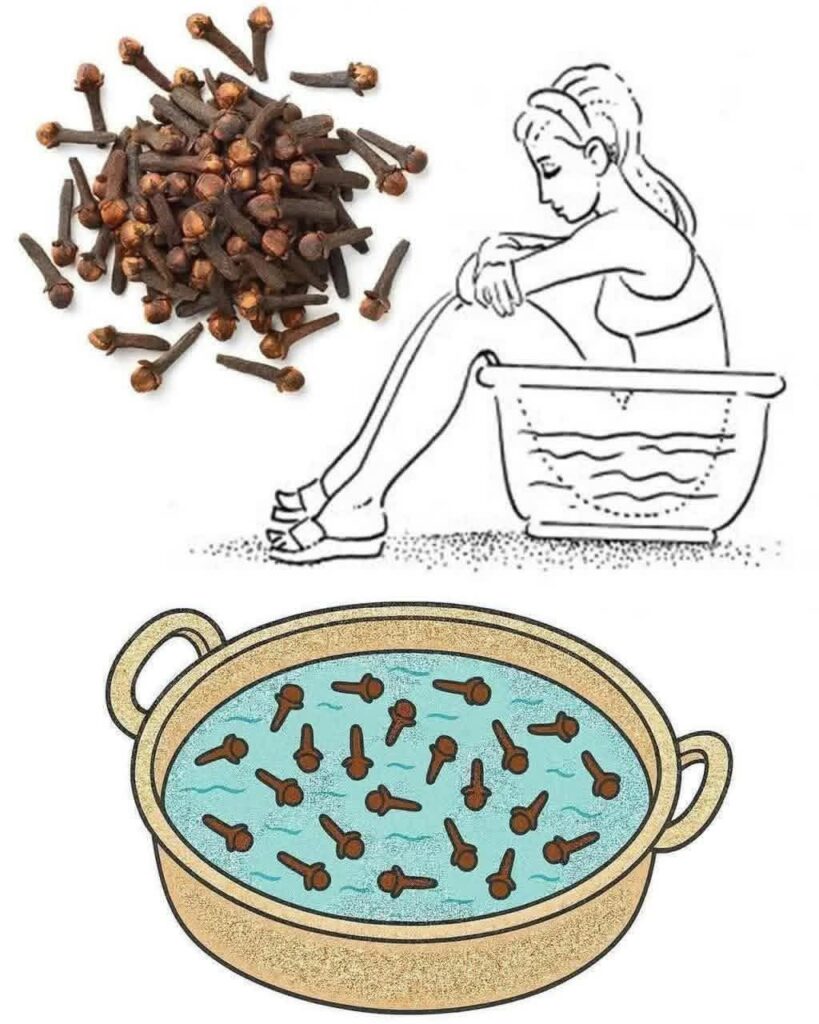
Simple Preparation Method
A gentle clove infusion can be prepared by:
- Boiling 2-3 cups of water.
- Adding 1-2 teaspoons of whole cloves.
- Simmering for approximately 10 minutes.
- Allowing the mixture to cool.
- Straining out the cloves.
The resulting infusion can then be added to a larger basin of warm sitz bath water.
Proper dilution is essential.
The solution should never feel strong, irritating, or burning.
How to Use It
General guidelines include:
- Soaking for 10-20 minutes
- Using comfortably warm, not hot, water
- Patting the area dry afterward
- Cleaning the basin thoroughly between uses
Frequency may vary, but many people use sitz baths once to three times daily when needed.
Important Safety Considerations
Avoid Concentrated Clove Oil
One of the most important safety points involves distinguishing clove water from clove essential oil.
Essential oils are highly concentrated.
Applying undiluted clove oil to sensitive tissues may cause:
- Burning
- Irritation
- Allergic reactions
- Tissue injury
For sitz baths, a mild water infusion is far safer than concentrated oil.
When to Contact a Healthcare Provider
Seek medical guidance if you experience:
- Fever
- Severe pain
- Worsening symptoms
- Significant bleeding
- Signs of infection
- Persistent discomfort
Postpartum individuals should also follow recommendations provided by their healthcare team.
Natural remedies work best when integrated into appropriate medical care.
Frequently Asked Questions
Can clove water cure hemorrhoids?
No. Clove water may provide temporary comfort, but it does not cure hemorrhoids or underlying conditions.
Is clove water safe after childbirth?
Some individuals may use diluted herbal sitz baths during postpartum recovery, but it’s important to follow guidance from your healthcare provider.
Can I use clove essential oil instead?
No. Essential oil is much more concentrated and may irritate sensitive tissues.
How long should I soak?
Most sitz baths last between 10 and 20 minutes.
Are there risks?
Yes. Allergic reactions and irritation can occur, particularly if preparations are too concentrated.
Conclusion
Clove Water Sitz Baths: A Gentle, Science-Backed Soak for Perineal Comfort highlights a traditional remedy that combines the soothing effects of warm water with the naturally occurring compounds found in cloves. While research supports eugenol’s anti-inflammatory, antimicrobial, and analgesic properties, evidence specifically examining clove sitz baths remains limited.
For many people, a properly diluted clove water sitz bath may serve as a gentle complementary comfort measure during postpartum recovery, hemorrhoid management, or periods of mild irritation. The key is using it safely, maintaining realistic expectations, and seeking professional medical care whenever symptoms are severe, persistent, or concerning.



Leave a Reply