
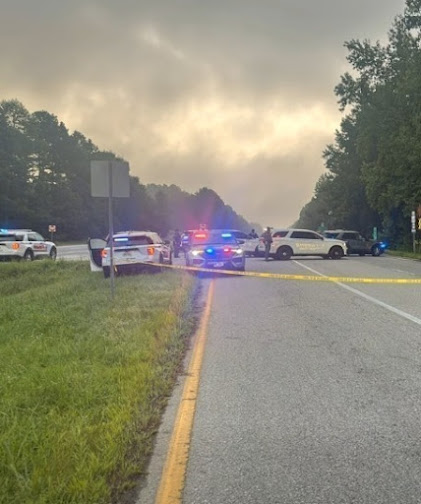
A hospital is supposed to be one of the safest places in a community. Patients arrive seeking treatment, families gather around loved ones, and healthcare professionals dedicate their lives to helping others heal. When violence occurs in such a setting, it shakes not only those directly involved but also the wider public who depend on healthcare facilities for safety and care.
That reality became painfully clear when a shooting incident at Corewell Health Beaumont Troy Hospital in Michigan triggered a major emergency response, a temporary lockdown, and widespread concern throughout the region. What initially appeared to be a potential active shooter situation later emerged as a targeted workplace violence incident involving individuals who reportedly knew one another.
Although the immediate threat was quickly contained and authorities moved swiftly to apprehend the suspect, the incident has reignited an important conversation about workplace violence in healthcare, employee safety, hospital security, and the emotional toll such events have on staff, patients, and visitors.
This article examines what is known about the incident, the response from law enforcement and hospital personnel, the broader issue of violence in healthcare settings, and the lessons healthcare systems can learn moving forward.
The Morning the Hospital Went Into Lockdown
The incident unfolded during the early morning hours, shortly after many healthcare workers had begun their shifts and while patients were receiving routine care throughout the facility.
Reports of gunfire prompted emergency calls to authorities, who immediately began responding to what was initially treated as a possible active shooter situation. Because information during the first moments of any emergency is often limited and evolving, law enforcement agencies typically prepare for the worst-case scenario until additional facts become available.
Hospital administrators quickly activated emergency procedures designed to protect patients, staff members, and visitors. Shelter-in-place orders were issued, doors were secured, and departments throughout the hospital moved into emergency operations mode.
For many employees, these protocols are something they train for but hope they never have to use. Suddenly, what had started as an ordinary workday became a frightening and uncertain situation.
Patients who were already dealing with illness, injury, or surgery found themselves facing an entirely different source of anxiety. Family members waiting in hospital corridors experienced uncertainty as information remained limited during the early stages of the response.
Fortunately, emergency procedures functioned as intended. Staff members followed established protocols, patients were protected, and law enforcement rapidly moved to secure the area.
Understanding What Happened
As investigators gathered information, a clearer picture of the incident began to emerge.
Authorities indicated that the shooting did not appear to be a random attack against patients or the public. Instead, preliminary findings suggested it was a targeted incident involving two individuals who reportedly knew each other.
According to reports, the confrontation occurred in the hospital parking structure. The victim, a young employee, sustained injuries but survived. Medical personnel quickly provided treatment, and officials later indicated that the victim was in stable condition and expected to recover.
The suspect reportedly fled after the shooting. However, law enforcement agencies immediately launched a coordinated effort to locate the individual.
The distinction between a targeted attack and a random active shooter event is significant. While both situations are serious and dangerous, understanding the nature of the threat helps investigators assess risk, inform the public, and determine appropriate security measures.
Nonetheless, from the perspective of those present during the incident, the distinction often provides little comfort in the moment. Hearing reports of gunfire inside or near a hospital creates fear regardless of the eventual classification of the event.
Healthcare workers, patients, and visitors all experienced the same uncertainty until authorities could verify the circumstances.
The Emergency Response
One of the most notable aspects of the incident was the speed and coordination of the response.
Hospitals maintain extensive emergency preparedness plans because they face unique challenges during crises. Unlike office buildings or retail locations, hospitals cannot simply evacuate everyone immediately.
Many patients are critically ill.
Others are connected to life-support systems.
Some are recovering from surgery.
Others may be unable to move without assistance.
Because of these realities, healthcare facilities rely heavily on shelter-in-place procedures during security emergencies.
When the situation unfolded, hospital staff reportedly moved quickly to secure patient areas and limit movement throughout the building. Departments communicated with one another while maintaining focus on patient care.
Meanwhile, law enforcement officers worked to secure the scene and gather information about the suspect.
Emergency management experts often emphasize that preparedness is measured not by whether a crisis occurs but by how effectively an organization responds when one does.
In this case, established protocols appear to have helped minimize confusion and protect those inside the hospital.
The successful apprehension of the suspect within a relatively short period further reduced the risk of additional violence.
The Human Impact on Healthcare Workers
Although news reports often focus on timelines, investigations, and arrests, the emotional impact on healthcare workers deserves equal attention.
Healthcare professionals routinely face stress that exceeds what many workers encounter in other industries.
They care for critically ill patients.
They deliver devastating diagnoses.
They witness trauma.
They work long shifts.
They make life-and-death decisions.
When violence enters the workplace, it adds another layer of psychological strain.
Even employees who were not directly involved may experience lingering effects after a workplace shooting.
Some may struggle with anxiety.
Others may experience difficulty concentrating.
Many may feel apprehensive about returning to work.
These reactions are normal responses to traumatic events.
Mental health experts often note that workplace violence can have lasting consequences that extend far beyond physical injuries.
Organizations that experience such incidents frequently provide counseling services, employee assistance programs, peer support resources, and crisis intervention services to help staff process the event.
Supporting recovery requires more than restoring normal operations. It requires addressing the emotional needs of those affected.
Why Healthcare Facilities Face Unique Security Challenges
Many people assume hospitals are highly secure environments. In some respects, they are.
However, hospitals also face security challenges that few other industries encounter.
Healthcare facilities must remain accessible around the clock.
Emergency departments cannot close their doors.
Ambulances arrive at all hours.
Visitors enter and leave continuously.
Patients often arrive unexpectedly.
This constant flow of people creates vulnerabilities that can be difficult to eliminate entirely.
Large medical campuses may include:
- Parking garages
- Parking lots
- Multiple entrances
- Medical office buildings
- Outpatient facilities
- Emergency departments
- Loading docks
- Public gathering spaces
Monitoring every area continuously presents a significant challenge.
Parking structures, in particular, can create security concerns because they often have multiple levels, numerous access points, and periods of low activity during certain hours.
Healthcare systems invest heavily in surveillance cameras, security officers, lighting improvements, and access-control systems, but maintaining complete coverage across large campuses remains complex.
The incident highlights why security planning must extend beyond hospital interiors and include surrounding infrastructure as well.
Workplace Violence in Healthcare: A Growing Concern
The shooting also draws attention to a larger issue facing healthcare systems nationwide.
Workplace violence in healthcare has become a major concern for industry leaders, employee organizations, and safety experts.
Violence can take many forms, including:
- Verbal threats
- Harassment
- Physical assaults
- Intimidation
- Domestic violence spillover
- Coworker conflicts
- Armed attacks
Healthcare workers often experience workplace violence at rates significantly higher than many other professions.
Several factors contribute to this reality.
Healthcare environments are emotionally charged.
Patients may be in pain.
Family members may be under stress.
Mental health crises can occur unexpectedly.
Substance abuse issues may complicate interactions.
Additionally, healthcare professionals sometimes work in high-pressure situations where tensions can escalate.
While many incidents involve patients or visitors, violence involving coworkers remains a serious concern.
Organizations increasingly recognize the importance of identifying warning signs early and addressing interpersonal conflicts before they escalate.
The Importance of Early Intervention
Experts frequently emphasize that violence prevention begins long before a crisis occurs.
Many workplace violence incidents are preceded by warning signs.
These signs may include:
- Escalating conflicts
- Threatening behavior
- Harassment complaints
- Intimidation
- Expressions of hostility
- Significant behavioral changes
Human resources departments, supervisors, and workplace safety teams play critical roles in identifying and addressing these concerns.
Effective prevention programs often include:
Employee Reporting Systems
Workers need safe and confidential ways to report concerns.
Conflict Resolution Programs
Mediation can help resolve disputes before they become dangerous.
Threat Assessment Teams
Multidisciplinary teams can evaluate potential risks and coordinate interventions.
Employee Assistance Resources
Mental health support can help employees manage personal and professional stressors.
Security Partnerships
Collaboration between management and security personnel strengthens prevention efforts.
The goal is not simply responding to violence but preventing it from occurring in the first place.
The Role of Hospital Security
Modern hospital security has evolved considerably over the past two decades.
Security departments now serve as critical components of healthcare operations.
Their responsibilities often include:
- Monitoring surveillance systems
- Conducting patrols
- Managing visitor access
- Responding to emergencies
- Supporting staff safety
- Coordinating with law enforcement
- Investigating incidents
Many hospitals have increased investments in security technology, including:
- Advanced camera systems
- Access control systems
- Visitor management software
- Emergency notification platforms
- Panic alarms
- License plate recognition systems
While no security system can eliminate every threat, layered security strategies improve an organization’s ability to detect, deter, and respond to incidents.
The events at Troy Hospital demonstrate why ongoing evaluation of security measures remains essential.
Community Reactions and Public Confidence
When violence occurs at a healthcare facility, community trust can be affected.
Hospitals occupy a unique position in society.
People depend on them during emergencies, illnesses, and some of the most important moments of their lives.
As a result, incidents involving violence can create widespread concern.
Community members may wonder:
- Is the hospital safe?
- Could something similar happen again?
- What changes will be made?
- How are employees coping?
Transparent communication becomes critical during these situations.
Hospital leaders must balance the need to protect investigative integrity with the public’s desire for accurate information.
Clear communication helps reduce rumors, alleviate anxiety, and rebuild confidence.
In this case, officials emphasized that the suspect had been apprehended and that hospital operations had returned to normal once the area was deemed secure.
Those messages played an important role in reassuring patients and the broader community.
Lessons for Healthcare Organizations Nationwide
Every significant workplace violence incident offers lessons for other organizations.
Healthcare systems across the country continually review incidents to identify opportunities for improvement.
Several key takeaways emerge from events like this:
Emergency Preparedness Matters
Training and planning can save lives during crises.
Security Must Extend Beyond Buildings
Parking structures and surrounding property require ongoing attention.
Workplace Conflicts Require Serious Attention
Even seemingly minor disputes should never be ignored.
Employee Support Is Essential
Recovery involves both physical and psychological healing.
Collaboration Improves Outcomes
Strong partnerships between healthcare organizations and law enforcement strengthen emergency responses.
These lessons help healthcare leaders refine policies and improve workplace safety.
Frequently Asked Questions
Was this considered an active shooter incident?
Initially, authorities responded as though it could be an active shooter situation because information was limited. Later findings suggested it was a targeted incident involving specific individuals.
Were patients harmed?
Reports indicated that the injured individual was an employee. Authorities did not report injuries to patients resulting from the incident.
Did the hospital remain open?
The hospital implemented emergency procedures and temporary restrictions while law enforcement secured the area. Operations later resumed.
Why are hospitals vulnerable to violence?
Hospitals remain open around the clock, serve diverse populations, and operate in high-stress environments, creating unique security challenges.
What can healthcare workers do if they observe concerning behavior?
Employees should report threats, intimidation, harassment, or escalating conflicts through established workplace reporting channels immediately.
Conclusion
The shooting at Corewell Health Beaumont Troy Hospital serves as a sobering reminder that workplace violence can occur even in places dedicated to healing and care. Although authorities determined the incident was targeted rather than random, the event still created fear, disrupted operations, and affected countless employees, patients, and families.
The rapid response by hospital personnel and law enforcement helped prevent a potentially more serious outcome. The victim survived, the suspect was apprehended, and the facility returned to normal operations.
Yet the incident also highlights broader issues facing healthcare organizations across the country. Workplace violence prevention, employee support, conflict resolution, and comprehensive security planning remain critical priorities.
Hospitals exist to save lives and promote healing. Ensuring that healthcare workers can perform their duties in a safe environment is essential not only for their well-being but also for the communities they serve. As healthcare leaders continue evaluating safety measures and prevention strategies, the lessons learned from this incident may help strengthen protections for workers, patients, and visitors alike.



Leave a Reply