
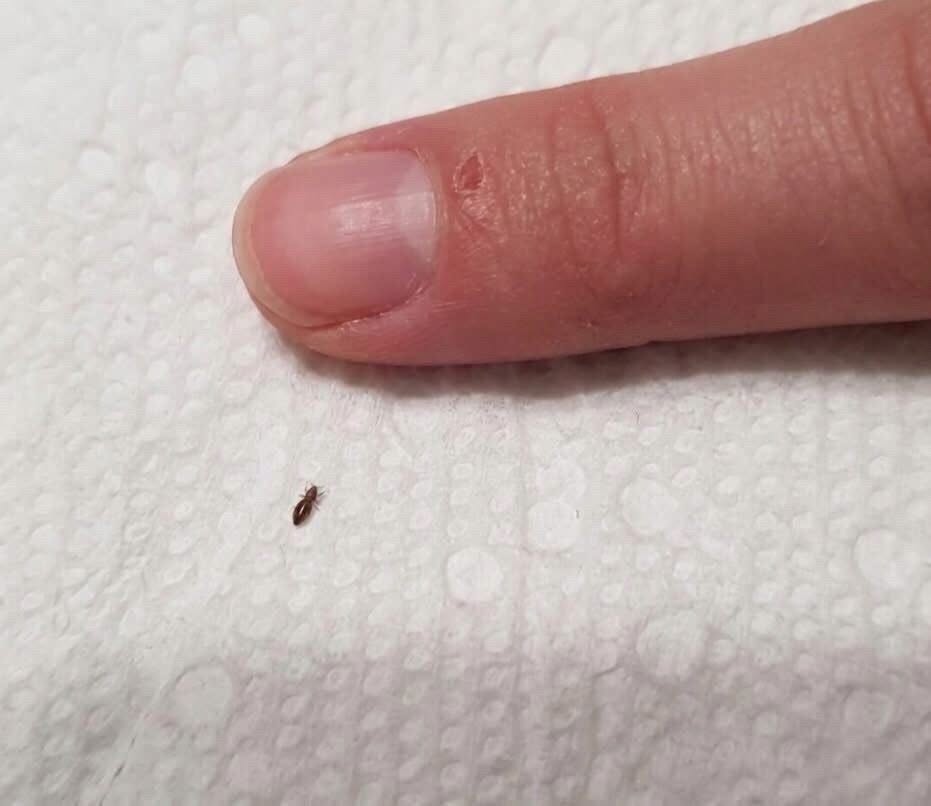
Finding a tiny bug in your child’s hair can trigger instant panic. One moment you’re helping with bath time, and the next you’re imagining a house-wide lice outbreak, emergency pharmacy runs, endless laundry, and awkward messages to daycare.
Take a deep breath.
While finding an insect in your toddler’s hair is certainly worth investigating, it does not automatically mean your child has lice. In fact, many insects that end up in children’s hair are harmless outdoor visitors that have no intention of living there.
Children spend their days exploring the world. They crawl through grass, play under trees, roll on playground equipment, and interact closely with other children. As a result, they occasionally bring home tiny souvenirs from nature.
Understanding the difference between head lice and harmless hitchhikers can save you a lot of stress and help you respond appropriately.
Why Parents Panic When They Find a Bug
Most parents react immediately because lice are incredibly common among young children.
Daycares, preschools, summer camps, and elementary schools all create environments where children spend hours in close contact. Because head lice spread primarily through direct head-to-head contact, many parents associate any insect found in hair with lice.
The good news is that lice are only one possibility.
Children encounter thousands of tiny insects every year. Most never stay long enough to be noticed. Occasionally, one gets caught in hair, leading to a moment of panic.
Fortunately, the vast majority of these accidental visitors are harmless.
Understanding the Difference Between Lice and Random Bugs
Head lice are highly specialized parasites.
Unlike insects that live outdoors, lice are adapted specifically to survive on humans. Their entire life cycle revolves around staying on the scalp, feeding on blood, and laying eggs close to the skin.
Outdoor insects have completely different goals.
Most are looking for plants, food sources, mates, or shelter. Human hair is usually an accidental stop rather than a destination.
This distinction makes identification easier once you know what to look for.
Common Outdoor Hitchhikers Found in Children’s Hair
Aphids
Aphids are tiny insects commonly found on plants.
They may appear green, black, yellow, brown, or white.
Children who play near bushes, flowers, or gardens can easily pick up an aphid without realizing it.
Aphids do not live on humans.
They do not feed on blood.
They do not lay eggs in hair.
They simply need plants to survive.
Gnats
Gnats are tiny flying insects often seen outdoors during warmer months.
Because they are so small, they can become temporarily tangled in hair.
Unlike lice, gnats fly away easily and do not cling tightly to the scalp.
Thrips
Thrips are tiny, slender insects often blown around by the wind.
Many people have never heard of them, yet they are extremely common outdoors.
They may land on people accidentally but cannot survive in human hair.
Small Beetles
Numerous species of tiny beetles inhabit lawns, gardens, and parks.
Some are so small that they are mistaken for lice at first glance.
Fortunately, beetles have completely different body structures and behaviors.
Fleas
Fleas occasionally end up in children’s hair, especially after contact with animals or areas frequented by wildlife.
However, fleas jump.
Lice do not.
If the insect seems capable of leaping significant distances, it is likely not a louse.
What Head Lice Actually Look Like
Head lice are surprisingly small.
Adult lice are typically about the size of a sesame seed.
Their bodies are flattened and oval-shaped.
They range in color from tan to grayish-white or brown.
After feeding, they may appear darker or reddish.
Unlike many outdoor insects, lice have specially adapted claws designed to grip hair shafts.
This adaptation allows them to remain attached during sleeping, bathing, brushing, and active play.
Comparison Guide
Shape
Head lice have an oval, flattened appearance.
Most outdoor insects have different body shapes and often possess wings, larger antennae, or segmented bodies.
Movement
Lice crawl.
They cannot jump.
They cannot fly.
Outdoor insects may fly, hop, flutter, or move rapidly away.
Grip
Lice cling firmly to hair.
Outdoor insects are usually easier to remove and less attached.
Location
Lice prefer areas close to the scalp, especially behind the ears and near the neckline.
Random insects can appear anywhere.
Eggs
Head lice lay eggs called nits.
These eggs are firmly attached to hair shafts.
Outdoor insects do not lay eggs in human hair.
The Importance of Nits
Finding nits is often a stronger indication of lice than finding a single insect.
Nits are tiny eggs attached near the scalp.
They are usually yellowish-white, tan, or translucent.
Many parents confuse nits with dandruff.
The key difference is attachment.
Dandruff flakes brush away easily.
Nits stay firmly glued to the hair shaft.
If you find multiple nits close to the scalp, further investigation is warranted.
How to Check for Head Lice
If you suspect lice, a systematic inspection is the best approach.
Step 1: Find Bright Lighting
Natural daylight works best.
Good lighting makes small insects and eggs easier to see.
Step 2: Wet the Hair
Damp hair slows lice movement.
This improves visibility during inspection.
Step 3: Use a Fine-Toothed Comb
A dedicated lice comb is ideal.
Metal combs tend to work better than plastic versions.
Step 4: Work in Small Sections
Separate the hair into manageable sections.
Check each section thoroughly.
Step 5: Focus on Hot Spots
Pay special attention to:
- Behind the ears
- Nape of the neck
- Crown area
These are favorite locations for lice.
Symptoms That May Suggest Lice
Not every child with lice experiences itching immediately.
Some children develop symptoms quickly, while others remain symptom-free for weeks.
Possible signs include:
Frequent Scratching
Persistent scratching remains the most recognized symptom.
Trouble Sleeping
Lice tend to be more active during nighttime hours.
Irritated Skin
Repeated scratching can lead to redness and irritation.
Visible Crawling Insects
Parents occasionally spot live lice during grooming.
Presence of Nits
Eggs attached near the scalp are often easier to identify than adult lice.
What to Do If It Is Lice
Discovering lice is unpleasant but manageable.
Stay Calm
Lice are common among children.
They are not dangerous and do not indicate poor hygiene.
Follow Treatment Instructions Carefully
Use approved treatments according to package directions.
Avoid combining multiple products without medical advice.
Comb Thoroughly
Nit removal remains an important part of treatment.
Regular combing helps reduce reinfestation.
Check Household Members
Close contacts should be inspected.
Early detection helps prevent ongoing transmission.
Inform Daycare
Daycare staff can monitor other children and reduce the likelihood of repeated spread.
Cleaning Your Home Without Going Overboard
Many parents feel compelled to deep-clean their entire house.
Fortunately, extreme cleaning is rarely necessary.
Wash
Focus on:
- Bedding
- Pillowcases
- Towels
- Recently worn hats
Vacuum
Vacuum areas where the child spends significant time.
This includes:
- Sofas
- Rugs
- Car seats
Skip Excessive Measures
You do not need to:
- Spray pesticides indoors
- Bag toys for weeks
- Replace bedding
- Disinfect every surface
Lice survive poorly away from the human scalp.
Myths About Lice
Myth: Lice Prefer Dirty Hair
False.
Lice infest clean and dirty hair equally.
Myth: Pets Spread Human Lice
False.
Human lice are species-specific.
Dogs and cats cannot transmit them.
Myth: You Must Cut the Child’s Hair
False.
Haircuts are not necessary.
Myth: Lice Jump
False.
Only fleas jump.
Lice crawl.
Myth: Good Parents Never Deal with Lice
False.
Lice affect families of every background.
Preventing Future Problems
No prevention method is perfect.
However, several habits may reduce risk.
Teach children to avoid direct head-to-head contact when possible.
Encourage them not to share:
- Hairbrushes
- Hair accessories
- Combs
Perform occasional checks during known lice outbreaks at daycare or school.
Most importantly, maintain perspective.
Even if lice occur, they are temporary and treatable.
When to Contact a Pediatrician
Seek professional guidance if:
- You are unsure whether the insect is a louse
- Treatments do not work
- The scalp becomes infected
- Symptoms become severe
- Your child is very young
A pediatrician can help confirm the diagnosis and recommend appropriate treatment.
Final Thoughts
If your spouse suddenly discovers a tiny bug in your toddler’s hair, your first reaction may be panic.
That response is understandable.
But in many cases, the insect is nothing more than a harmless visitor from a playground, garden, or patch of grass.
Children are explorers by nature.
They collect experiences, memories, and occasionally tiny insects.
Most of the time, a single bug does not signal an infestation or a health emergency.
Take a moment to inspect carefully.
Look for evidence rather than assumptions.
And remember: whether it turns out to be a harmless hitchhiker or an actual case of head lice, it is a solvable problem.
The fact that you noticed it at all means you are paying attention-and that’s one of the most important things a parent can do.

Leave a Reply