
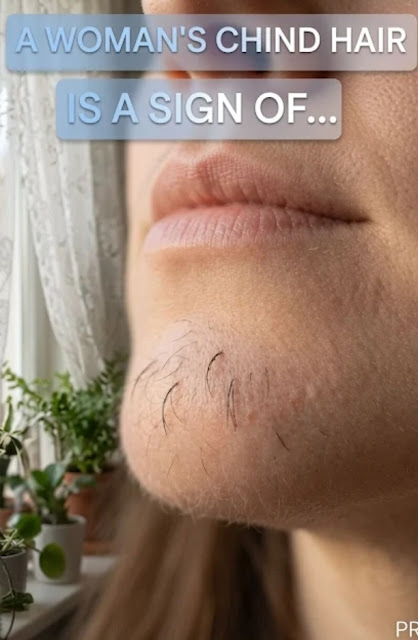
Finding a coarse, dark chin hair can feel surprising the first time it happens. Many women notice one while applying makeup, looking in a magnifying mirror, or washing their face. Some discover a single stubborn hair that seems to reappear no matter how often they remove it. Others notice several hairs appearing over time and begin to wonder whether something is wrong with their health.
The good news is that chin hair growth in women is extremely common. In fact, dermatologists and hormone specialists regularly reassure patients that facial hair can develop for many perfectly normal reasons. While sudden or excessive facial hair growth can sometimes indicate an underlying medical condition, most cases are linked to genetics, aging, and natural hormonal changes.
Unfortunately, myths surrounding female facial hair often create unnecessary worry. Some women fear that a few chin hairs automatically mean they have a hormonal disorder. Others believe that plucking causes more hairs to grow back or that facial hair only appears in older age. Modern medical research tells a very different story.
Understanding why chin hairs develop can help reduce anxiety and provide clarity about when facial hair is normal and when it may be worth discussing with a healthcare provider. Whether you’ve discovered one chin hair or several, knowing the facts can help you make informed decisions about your health and personal grooming preferences.
Understanding Facial Hair Growth in Women
Women Naturally Produce Androgens
Many people associate androgens with men, but women produce these hormones too. The ovaries and adrenal glands naturally create small amounts of androgens, including testosterone.
These hormones play important roles in maintaining bone health, muscle strength, energy levels, and sexual function. However, androgens also influence hair growth patterns throughout the body.
Even small fluctuations in androgen levels can affect hair follicles. Some follicles may become more sensitive to these hormones over time, leading to thicker or darker facial hairs.
This process is often completely normal and does not necessarily indicate a medical problem.
Hair Follicles Respond Differently
Not all hair follicles react the same way to hormones.
Some women may experience thicker hair growth on their legs while others notice changes around the chin, jawline, or upper lip. Genetics largely determine which follicles are most sensitive to hormonal signals.
This explains why two women with similar hormone levels may have very different facial hair patterns.
The body’s response to hormones is often more important than the hormone levels themselves.
The Most Common Causes of Chin Hair Growth
Hormonal Changes Throughout Life
Hormones naturally fluctuate during different stages of life.
Puberty, pregnancy, postpartum recovery, perimenopause, and menopause all involve shifts in estrogen and androgen balance. During these periods, some women notice changes in skin, hair, and body composition.
Menopause is one of the most common times for chin hairs to become more noticeable.
As estrogen levels decline, the balance between estrogen and androgens changes. Even if androgen levels remain relatively stable, their effects may become more visible.
This hormonal shift often results in:
- Increased facial hair
- Thinning scalp hair
- Changes in skin texture
- Altered body fat distribution
These changes are common and often represent a normal part of aging.
Genetics Play a Major Role
Family history is one of the strongest predictors of facial hair growth.
If your mother, grandmother, aunts, or sisters have chin hairs, there is a good chance you may experience them as well.
Researchers have found that genetics influence:
- Hair follicle density
- Hair color
- Hair thickness
- Hormone sensitivity
- Hair growth patterns
For many women, facial hair is simply an inherited trait rather than a health concern.
The Natural Aging Process
Aging affects every part of the body, including hair follicles.
Over time, follicles may become more responsive to hormonal signals. Hairs that were once fine and nearly invisible can gradually become darker, thicker, and easier to notice.
Many women report that facial hairs seem to appear suddenly. In reality, those follicles may have been present for years but only recently began producing coarser hairs.
This change is particularly common after age 40 and becomes increasingly noticeable during and after menopause.
When Chin Hair May Signal a Hormonal Condition
Polycystic Ovary Syndrome (PCOS)
One of the most well-known causes of excessive facial hair growth in women is Polycystic Ovary Syndrome, often called PCOS.
PCOS affects hormone production and can increase androgen activity.
Women with PCOS may experience:
- Increased facial hair growth
- Irregular menstrual cycles
- Acne
- Weight gain
- Difficulty becoming pregnant
- Thinning scalp hair
Not every woman with chin hairs has PCOS. In fact, most do not. However, facial hair combined with other symptoms may warrant medical evaluation.
Adrenal Gland Disorders
The adrenal glands produce several hormones, including some androgens.
Although uncommon, certain adrenal conditions can contribute to increased facial hair growth.
Symptoms may include:
- Rapid hair growth
- Fatigue
- Changes in blood pressure
- Unexplained weight changes
- Muscle weakness
Healthcare providers can evaluate these conditions through blood tests and other diagnostic tools.
Thyroid Disorders
Thyroid hormones influence many bodily functions, including hair growth.
Both underactive and overactive thyroid conditions may affect hair patterns.
Additional symptoms can include:
- Fatigue
- Weight changes
- Mood changes
- Dry skin
- Temperature sensitivity
A simple blood test can often determine whether thyroid issues are contributing to symptoms.
Signs You Should Talk to a Healthcare Professional
Most chin hairs are harmless, but certain situations deserve medical attention.
Consider speaking with a healthcare provider if facial hair growth:
- Appears suddenly
- Increases rapidly
- Becomes extensive
- Occurs alongside irregular periods
- Is accompanied by severe acne
- Coincides with scalp hair thinning
- Develops with other signs of hormone imbalance
Medical evaluation can help identify whether an underlying condition requires treatment.
Many women discover that their facial hair is simply part of normal aging, while others gain valuable insight into hormone-related issues that benefit from management.
Common Myths About Chin Hair
Myth: Plucking Makes More Hair Grow
This myth has existed for generations.
In reality, plucking removes an existing hair from its follicle. It does not create new follicles or increase the total number of hairs.
When the hair grows back, it may feel coarse because the new growth is shorter and stiffer, but the number of hairs has not increased.
Myth: Only Older Women Get Chin Hairs
While facial hair becomes more common with age, younger women can also develop chin hairs.
Genetics, hormonal fluctuations, and natural variations in hair growth patterns can lead to facial hair at virtually any age.
Teenagers, women in their twenties, and women in their thirties may all notice occasional chin hairs.
Myth: Facial Hair Always Means High Testosterone
Hormones are only one piece of the puzzle.
Many women with normal hormone levels develop chin hairs because their follicles are particularly sensitive to naturally occurring androgens.
The presence of a few facial hairs does not automatically indicate abnormal testosterone levels.
Myth: Shaving Makes Hair Grow Thicker
Scientific studies have repeatedly disproven this belief.
Shaving cuts hair at the skin’s surface but does not alter the follicle beneath the skin.
Hair may appear thicker as it grows back because the blunt edge is more noticeable, but its actual growth pattern remains unchanged.
Popular Methods for Managing Chin Hair
Tweezing
Tweezing remains one of the most common methods for removing individual chin hairs.
Advantages include:
- Low cost
- Precision
- Convenience
However, frequent tweezing can sometimes irritate sensitive skin.
Waxing
Waxing removes multiple hairs simultaneously and typically lasts longer than shaving.
Many women appreciate the smoother results, although temporary redness may occur.
Threading
Threading uses twisted cotton thread to remove hairs from the follicle.
This method is particularly popular for facial hair because it offers precise control.
Shaving
Contrary to common myths, shaving is a safe and effective option for many women.
Modern facial razors designed specifically for women can quickly remove unwanted hair without affecting future growth.
Laser Hair Removal
Laser treatments target hair follicles using concentrated light energy.
Multiple sessions are usually required, but many women experience long-term reduction in hair growth.
Laser treatments often work best on darker hairs.
Electrolysis
Electrolysis is the only hair removal method considered truly permanent by regulatory agencies.
A tiny probe destroys individual hair follicles using electrical current.
Although time-consuming, electrolysis can provide lasting results.
Emotional Impact of Facial Hair
You’re Not Alone
Many women feel embarrassed or self-conscious about facial hair.
However, the reality is that chin hairs are incredibly common.
Because people rarely discuss the topic openly, many women mistakenly believe they are unusual or alone in their experience.
Dermatologists report that facial hair concerns are among the most common reasons women seek consultation.
Social Expectations Can Increase Anxiety
Society often promotes unrealistic beauty standards that suggest women should have completely hair-free faces.
These expectations can create unnecessary pressure and self-criticism.
The truth is that facial hair exists on a spectrum. Some women naturally have very little, while others have more visible growth.
Neither experience is abnormal.
Confidence Comes from Information
Understanding why chin hairs occur can help replace fear with confidence.
Knowledge allows women to make choices based on facts rather than myths.
Whether someone chooses to remove facial hair or leave it alone is entirely a personal decision.
Lifestyle Factors That May Influence Hair Growth
Although genetics and hormones play the largest roles, lifestyle factors can also affect overall hormonal health.
Helpful habits include:
- Maintaining a balanced diet
- Exercising regularly
- Managing stress
- Getting adequate sleep
- Attending regular medical checkups
These habits support overall wellness and may contribute to healthier hormonal balance.
However, it is important to remember that lifestyle changes cannot completely override genetic influences.
Sometimes chin hairs are simply part of normal biology.
The Bottom Line
Discovering chin hairs can be surprising, but in most cases it is not a cause for alarm. Women naturally produce hormones that influence hair growth, and changes related to genetics, aging, and menopause often make facial hair more noticeable over time.
A few chin hairs do not automatically mean that something is wrong. In fact, they are a normal experience for millions of women worldwide. While sudden, extensive, or rapidly increasing facial hair growth deserves medical attention, occasional chin hairs are usually a routine part of human biology.
Modern dermatologists and hormone experts agree that understanding the causes of facial hair is the first step toward reducing unnecessary worry. Whether you choose tweezing, waxing, laser treatment, or simply accept those occasional hairs as part of life, the most important thing to remember is that you are far from alone.
For most women, chin hairs are not a sign of illness. They are simply one of many ways the body changes throughout life-and often, they are much more common than anyone realizes.



Leave a Reply