
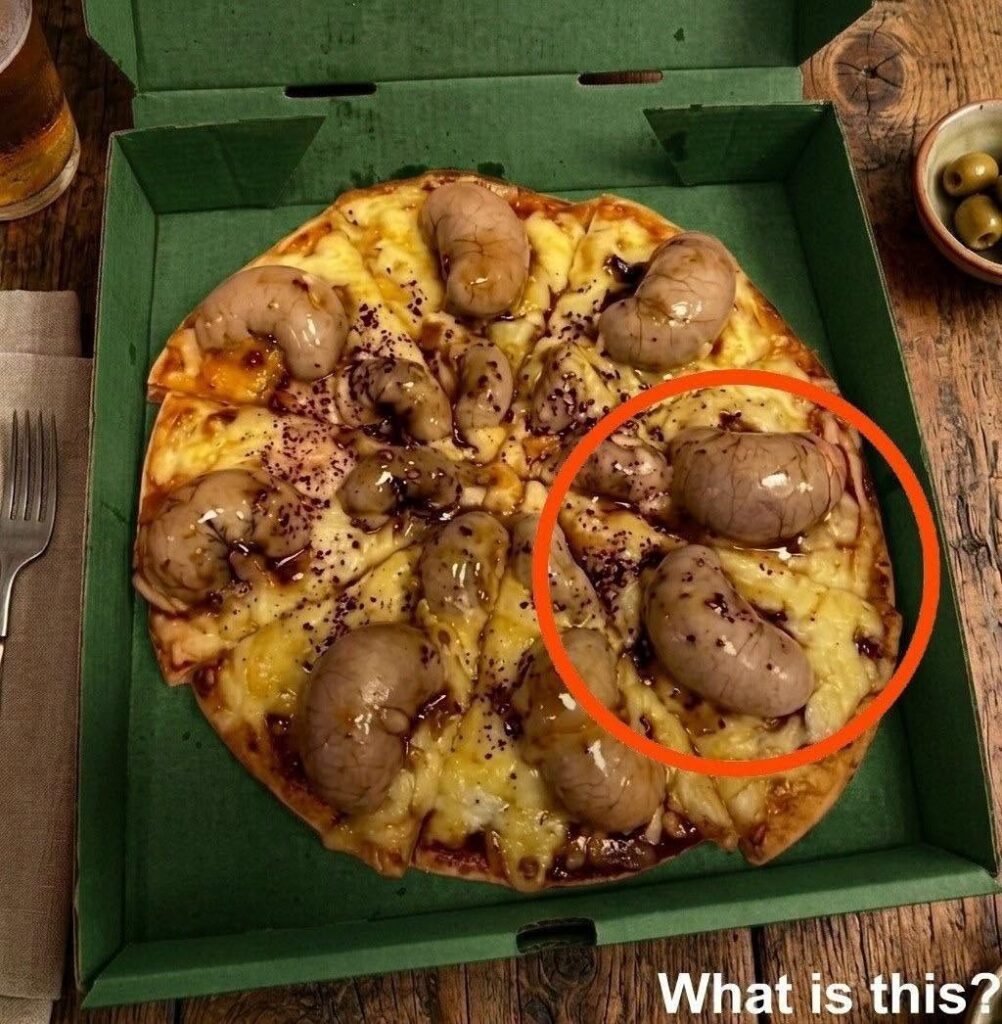
Pizza is one of the most loved comfort foods in the world. Whether it's a quick weeknight dinner, a game-day favorite, a family movie-night staple, or a late-night treat, few foods inspire the same universal enthusiasm. Yet every few months, a viral photo begins circulating online claiming that something unusual on a pizza proves it contains fake ingredients, dangerous chemicals, mold, parasites, plastic, or some other alarming contaminant.
The images are often dramatic. Melted cheese appears webbed with strange lines. Small dark spots dot the surface. Oily pools collect near the crust. Stretchy cheese forms unusual patterns. Social media posts quickly fill with warnings urging people to stop eating pizza immediately.
The problem is that most of these claims misunderstand basic food science.
In reality, many of the characteristics that trigger concern are completely normal signs of cheese composition, heat exposure, moisture movement, and natural cooking reactions. While food safety should always be taken seriously, understanding what actually happens during baking can help separate genuine risks from internet myths.
Before tossing out your favorite slice, it helps to understand what you are really seeing.
Why Viral Food Scares Spread So Quickly
Food is deeply personal. We eat it every day, feed it to our families, and trust manufacturers, restaurants, and grocery stores to provide safe products.
Because of that trust, any suggestion that a common food may be unsafe immediately attracts attention.
Social media amplifies these concerns because unusual photos trigger emotional reactions. A close-up image of pizza cheese can look strange when viewed out of context. Features that seem alarming in a magnified photo may actually be completely normal under ordinary conditions.
Fear also spreads faster than scientific explanations. A simple claim like “Look at these strange white lines in the cheese!” is easier to share than a detailed explanation involving proteins, fats, moisture migration, and heat distribution.
As a result, misconceptions can spread rapidly before experts have an opportunity to provide context.
Understanding What Happens to Cheese During Baking
To understand why pizza sometimes develops unusual appearances, it helps to understand what cheese actually is.
Mozzarella, the cheese most commonly used on pizza, contains:
- Milk proteins
- Water
- Fat
- Minerals
- Natural sugars
When pizza enters a hot oven, all of these components react differently.
The proteins begin to stretch and reorganize.
The fat melts and redistributes.
Water evaporates.
Sugars and proteins participate in browning reactions.
These changes create the familiar appearance, aroma, and flavor that people associate with pizza.
However, they can also produce visual effects that look unusual to someone unfamiliar with food chemistry.
The “Stringy Veins” Myth
One common viral claim involves thin white lines or web-like patterns appearing across melted cheese.
Some social media posts suggest these patterns indicate artificial ingredients or contamination.
In reality, these structures are usually protein strands formed during melting.
Mozzarella contains casein proteins arranged in networks. As the cheese heats, these proteins soften and stretch. Depending on the cheese composition, baking temperature, and cooling process, visible strands may appear on the surface.
Far from being a warning sign, these structures often indicate the cheese is melting exactly as expected.
The same protein behavior is responsible for the classic cheese pull seen when lifting a slice from a pizza.
Why Brown Spots Are Usually Normal
Another frequent source of concern is the appearance of brown spots on melted cheese.
Many people assume discoloration means spoilage.
However, browning is usually a sign of cooking.
During baking, proteins and sugars participate in what scientists call the Maillard reaction. This process creates hundreds of flavor compounds while producing the golden-brown color associated with baked foods.
The same reaction occurs in:
- Toast
- Cookies
- Roasted vegetables
- Grilled meats
- Bread crusts
Without browning, pizza would actually taste less flavorful.
Small brown spots often indicate proper oven heat rather than a problem.
Why Oil Appears on Top of Pizza
Some viral photos show small pools of oil sitting on melted cheese.
These images are sometimes presented as evidence of artificial ingredients or excessive processing.
The reality is much simpler.
Cheese naturally contains fat.
When heated, fat melts and separates from other components. Depending on the cheese type, baking temperature, and cooking duration, some of this melted fat may appear on the surface.
Pepperoni can also release oils during cooking.
This effect is especially noticeable on pizzas containing higher-fat cheeses.
Although excessive grease may affect texture or preference, it is generally not a food safety issue.
The Myth of “Plastic Cheese”
Perhaps one of the most persistent internet myths claims that pizza cheese is actually made from plastic because it stretches, bubbles, or browns differently than expected.
This misconception often originates from misunderstandings about processed cheese products.
While some cheese products contain stabilizers or emulsifiers, these ingredients are approved food additives designed to improve texture and consistency.
Stretchiness itself is not evidence of artificial ingredients.
Natural mozzarella is famous specifically because of its ability to stretch.
That stretch comes from protein structure-not plastic.
Why Cheese Sometimes Forms Bubbles
Large bubbles occasionally appear on pizza during baking.
These bubbles may look unusual, but they are generally harmless.
Several factors contribute to bubble formation:
- Steam trapped beneath cheese
- Moisture evaporation
- Air pockets in the dough
- Uneven heating
- Natural cheese expansion
Professional pizzerias often encounter bubbling regularly.
Some chefs even consider certain bubble patterns desirable because they contribute to texture and appearance.
The Difference Between Normal Characteristics and Actual Spoilage
While many viral warnings exaggerate harmless features, food spoilage is real.
Knowing the difference is important.
Normal pizza characteristics include:
- Golden brown spots
- Stretchy cheese
- Small oil pools
- Surface bubbles
- Slight color variation
Potential spoilage indicators include:
- Fuzzy mold growth
- Sour or rotten odors
- Slimy texture
- Significant discoloration unrelated to baking
- Unusual fermentation smells
Spoilage generally develops before baking if ingredients are mishandled or stored improperly.
Proper food safety practices help prevent these issues.
Food Safety Still Matters
Although many internet claims are misleading, food safety remains important.
Consumers should always:
- Check expiration dates
- Store refrigerated products properly
- Follow cooking instructions
- Avoid consuming visibly spoiled ingredients
- Practice good kitchen hygiene
Understanding food science should not lead to ignoring legitimate safety concerns.
Instead, it helps people distinguish between genuine risks and harmless cooking effects.
Why Photos Can Be Misleading
Many viral food scares rely heavily on close-up photography.
Magnification can dramatically alter perception.
A tiny protein strand may appear enormous in a zoomed image.
Normal browning may look alarming when photographed under unusual lighting.
Shadows, camera filters, and image compression can further distort appearance.
Without context, ordinary food structures may seem suspicious.
This is one reason food scientists often caution against drawing conclusions based solely on photographs.
The Psychology Behind Food Myths
Humans evolved to pay close attention to potential contamination.
This instinct helps protect us from harmful substances.
However, the same instinct can sometimes generate false alarms.
When people encounter unfamiliar visual patterns, they naturally seek explanations.
If a dramatic explanation appears first, it often spreads quickly.
Unfortunately, dramatic explanations are not always accurate.
Education helps counter this tendency by providing evidence-based understanding.
Why Understanding Food Science Matters
Food science affects everyday life more than most people realize.
The melting of cheese, browning of bread, ripening of fruit, and preservation of ingredients all involve scientific processes.
Learning about these processes offers several benefits:
- Better purchasing decisions
- Improved food safety habits
- Reduced susceptibility to misinformation
- Greater confidence in meal preparation
- Increased appreciation for cooking
Rather than creating fear, knowledge helps people make informed choices.
Common Pizza Questions Answered
Is oily pizza unsafe?
No. Oil released from cheese or toppings is usually a normal result of heating.
Are brown spots on mozzarella bad?
Generally no. Browning typically results from cooking reactions that enhance flavor.
Why does cheese stretch so much?
Mozzarella contains protein networks that elongate when heated.
Can pizza cheese contain additives?
Some cheeses contain approved stabilizers or emulsifiers, but stretchiness alone does not indicate artificial ingredients.
Should I worry about strange patterns in melted cheese?
Most visible patterns result from normal melting, protein behavior, and baking chemistry.
The Bottom Line
The next time a viral photo claims that something strange on a pizza proves it is dangerous, take a moment before believing the headline.
Many of the characteristics that trigger online concern-including stretchy strands, browned spots, oil droplets, bubbling surfaces, and unusual patterns-are often completely normal consequences of how cheese behaves during cooking.
Understanding basic food science helps replace fear with facts. It allows consumers to focus on genuine food safety concerns while ignoring myths that spread through social media.
Pizza remains one of America’s favorite comfort foods for a reason. When prepared, stored, and cooked properly, the unusual features that sometimes appear on melted cheese are usually signs of natural ingredients doing exactly what they are supposed to do.
The real lesson is simple: sometimes the scariest-looking photos have the most ordinary explanations.



Leave a Reply