
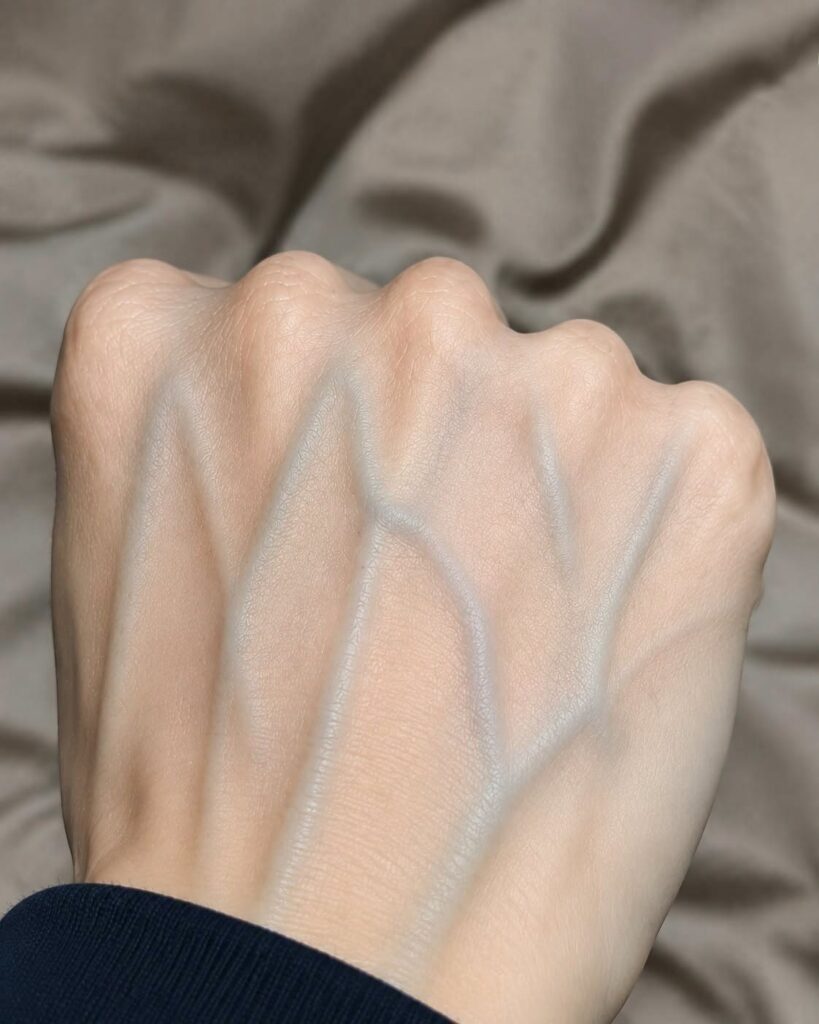
Have you ever looked down at your hands and noticed that the veins seem more visible than they used to be?
Perhaps they stand out after exercise. Maybe they become more noticeable during hot weather. Or perhaps you simply noticed them one day and began wondering whether they could be telling you something about your health.
In recent years, social media posts and health-related websites have fueled speculation that visible veins on the hands may indicate hidden kidney problems. These claims often spread quickly because they tap into a common fear: the possibility that our bodies are sending warning signs that we do not understand.
But how much truth is there behind these claims?
Can the appearance of veins on your hands really reveal the condition of your kidneys?
The short answer is no.
Medical experts agree that visible hand veins are not a recognized indicator of kidney disease. While changes in the body can sometimes reflect underlying health conditions, prominent hand veins are typically influenced by factors such as age, genetics, body composition, exercise, hydration, and environmental conditions.
Understanding the difference between harmless physical changes and genuine health concerns is important. By separating myths from medical reality, we can focus on evidence-based ways to protect kidney health while avoiding unnecessary worry.
Understanding Why Hand Veins Become More Visible
Visible veins are extremely common and often completely normal.
The veins in your hands are located close to the surface of the skin. Several factors can make them appear more prominent at different times in life.
Aging and Skin Changes
One of the most common reasons veins become more visible is aging.
As we grow older, the skin naturally becomes thinner and loses some of its elasticity. The layer of fat beneath the skin may also decrease. These changes make underlying veins easier to see.
This process is a normal part of aging and is not generally considered a sign of illness.
Body Composition
People with lower body fat percentages often have more visible veins.
Because there is less tissue covering the veins, they appear closer to the surface of the skin.
Athletes and physically active individuals frequently notice prominent veins in their hands, arms, and legs for this reason.
Exercise
After exercise, veins often appear larger and more noticeable.
Physical activity increases blood flow throughout the body. Muscles require additional oxygen during movement, causing blood vessels to expand temporarily.
This effect is particularly noticeable during strength training and cardiovascular exercise.
Warm Temperatures
Hot weather can also make veins more visible.
When temperatures rise, blood vessels widen to help release heat from the body. As a result, veins may appear larger or more prominent than usual.
This response is a normal part of the body’s temperature regulation system.
Genetics
Some people simply inherit naturally visible veins.
Just as eye color, height, and hair texture are influenced by genetics, vein visibility can also run in families.
If your parents or grandparents had noticeable veins, there is a good chance you may as well.
What Visible Hand Veins Do Not Indicate
Despite many claims online, there is no scientific evidence showing that visible veins on the hands can diagnose kidney disease.
Healthcare providers do not assess kidney health by examining hand veins.
Visible veins do not reliably indicate:
- Kidney disease
- Liver disease
- Heart disease
- Poor circulation
- Toxin buildup
- Poor detoxification
- Organ failure
Many wellness articles suggest that hand veins act as a window into internal organ health. While this idea may sound compelling, it is not supported by modern medical evidence.
Kidney health is evaluated through laboratory testing, blood pressure measurements, urine analysis, imaging studies, and comprehensive medical assessments.
The appearance of hand veins alone does not provide reliable information about kidney function.
How Doctors Actually Evaluate Kidney Health
Kidneys perform several essential functions.
They:
- Filter waste products from the blood
- Balance fluids
- Regulate electrolytes
- Help control blood pressure
- Support red blood cell production
- Maintain overall chemical balance
Because these functions occur internally, doctors rely on objective tests rather than external appearance.
Blood Tests
One of the most important markers is creatinine.
Creatinine is a waste product generated by muscles. Healthy kidneys remove it from the bloodstream.
Elevated levels may indicate reduced kidney function.
Estimated Glomerular Filtration Rate (eGFR)
The eGFR estimates how efficiently the kidneys filter waste.
This number is one of the primary tools used to identify and monitor kidney disease.
Urine Testing
Urine tests can detect:
- Protein
- Blood
- Infection
- Abnormal kidney filtration
Protein in the urine is often one of the earliest signs of kidney damage.
Blood Pressure Monitoring
High blood pressure and kidney disease are closely connected.
Elevated blood pressure can damage the kidneys, while kidney disease can worsen blood pressure control.
Regular monitoring helps identify problems early.
Real Signs and Symptoms of Kidney Disease
Unlike visible hand veins, kidney disease can produce specific symptoms.
Unfortunately, many early-stage kidney conditions develop silently.
This is one reason routine screening is so important.
Fatigue
When kidney function declines, the body may produce fewer red blood cells.
This can lead to anemia, which often causes:
- Tiredness
- Weakness
- Reduced energy
- Difficulty concentrating
Swelling
The kidneys help regulate fluid balance.
When they are not functioning properly, excess fluid may accumulate in the body.
Swelling may appear in:
- Feet
- Ankles
- Legs
- Hands
- Face
Unlike visible veins, swelling can sometimes be a meaningful sign of kidney dysfunction.
Changes in Urination
Changes in urination deserve attention.
Potential warning signs include:
- Foamy urine
- Blood in urine
- Frequent urination
- Reduced urination
- Painful urination
- Dark urine
These symptoms should be discussed with a healthcare provider.
Persistent Itching
As waste products build up in the bloodstream, some people experience persistent itching.
This symptom often develops gradually and may become widespread.
Shortness of Breath
Kidney disease may contribute to shortness of breath through fluid retention or anemia.
If breathing difficulties develop suddenly or severely, immediate medical evaluation is necessary.
Who Is Most at Risk for Kidney Disease?
While anyone can develop kidney disease, certain groups face higher risk.
People with Diabetes
Diabetes remains one of the leading causes of kidney failure worldwide.
Elevated blood sugar can gradually damage the tiny blood vessels responsible for filtration.
People with High Blood Pressure
High blood pressure places significant strain on the kidneys over time.
Proper management dramatically reduces risk.
Family History
A family history of kidney disease increases susceptibility.
Genetic factors can influence kidney function and disease progression.
Older Adults
Risk increases with age.
Regular screening becomes increasingly important as individuals get older.
Smokers
Smoking reduces blood flow throughout the body, including the kidneys.
It also increases cardiovascular risk, which further affects kidney health.
Common Myths About Kidney Health
Many myths continue circulating online.
Let’s address some of the most common misconceptions.
Myth: Visible Veins Mean Kidney Problems
Reality: No evidence supports this claim.
Visible veins are generally related to skin thickness, body composition, and blood flow.
Myth: Kidney Disease Always Causes Pain
Reality: Many kidney conditions produce no symptoms in early stages.
By the time pain appears, significant damage may already have occurred.
Myth: Drinking Huge Amounts of Water Cleanses the Kidneys
Reality: Hydration is important, but excessive water intake does not provide additional cleansing benefits.
Healthy kidneys naturally filter waste without requiring extreme fluid consumption.
Myth: Detox Products Improve Kidney Function
Reality: Most detox products lack scientific evidence.
In some cases, supplements and cleanses may even place additional stress on the kidneys.
Evidence-Based Ways to Support Kidney Health
Fortunately, there are practical steps everyone can take to protect kidney function.
Maintain Healthy Blood Pressure
Controlling blood pressure remains one of the most effective strategies for preserving kidney health.
Regular monitoring and treatment when necessary are essential.
Manage Blood Sugar
For individuals with diabetes or prediabetes, blood sugar control significantly reduces the risk of kidney damage.
Stay Hydrated
Adequate hydration supports normal kidney function.
Most healthy adults can rely on thirst and normal daily fluid intake as guidance.
Eat a Balanced Diet
A diet rich in:
- Vegetables
- Fruits
- Whole grains
- Lean proteins
- Healthy fats
supports both kidney and cardiovascular health.
Exercise Regularly
Physical activity helps regulate:
- Blood pressure
- Weight
- Blood sugar
- Circulation
All of these factors influence kidney health.
Avoid Smoking
Smoking accelerates damage to blood vessels throughout the body.
Quitting smoking benefits nearly every organ system, including the kidneys.
When Should You See a Doctor?
Visible hand veins alone are not usually a reason for concern.
However, medical evaluation may be appropriate if you experience:
- Persistent swelling
- Unexplained fatigue
- Changes in urination
- High blood pressure
- Blood in urine
- Ongoing itching
- Shortness of breath
- Family history of kidney disease
Early detection dramatically improves treatment options and outcomes.
Waiting for symptoms to become severe may allow disease progression.
Why Health Information Online Can Be Misleading
Health-related content spreads rapidly online because people naturally seek explanations for changes they notice in their bodies.
Unfortunately, simple visual observations often become linked to serious diseases without scientific evidence.
Claims about hand veins and kidney disease are a good example.
The idea feels believable because it offers a visible clue to an invisible problem.
Yet medicine rarely works that way.
Most internal conditions require careful evaluation, laboratory testing, and professional assessment.
This is why critical thinking remains one of the most valuable health tools available.
The Bottom Line
Visible veins on your hands may tell a story about age, genetics, exercise habits, body composition, or temperature changes.
What they do not reliably reveal is the health of your kidneys.
Kidney disease is a serious condition, but it is diagnosed through blood tests, urine analysis, blood pressure monitoring, and medical evaluation-not by examining hand veins.
The best approach to kidney health is not fear.
It is awareness.
Understand your risk factors.
Schedule regular checkups.
Maintain healthy lifestyle habits.
Seek medical advice when symptoms arise.
Most importantly, remember that not every visible change in the body is a warning sign. Sometimes a vein is simply a vein.
The most powerful health decisions are based on evidence, not anxiety.
By focusing on proven information rather than myths, you can make informed choices that support your kidneys-and your overall well-being-for years to come.



Leave a Reply