
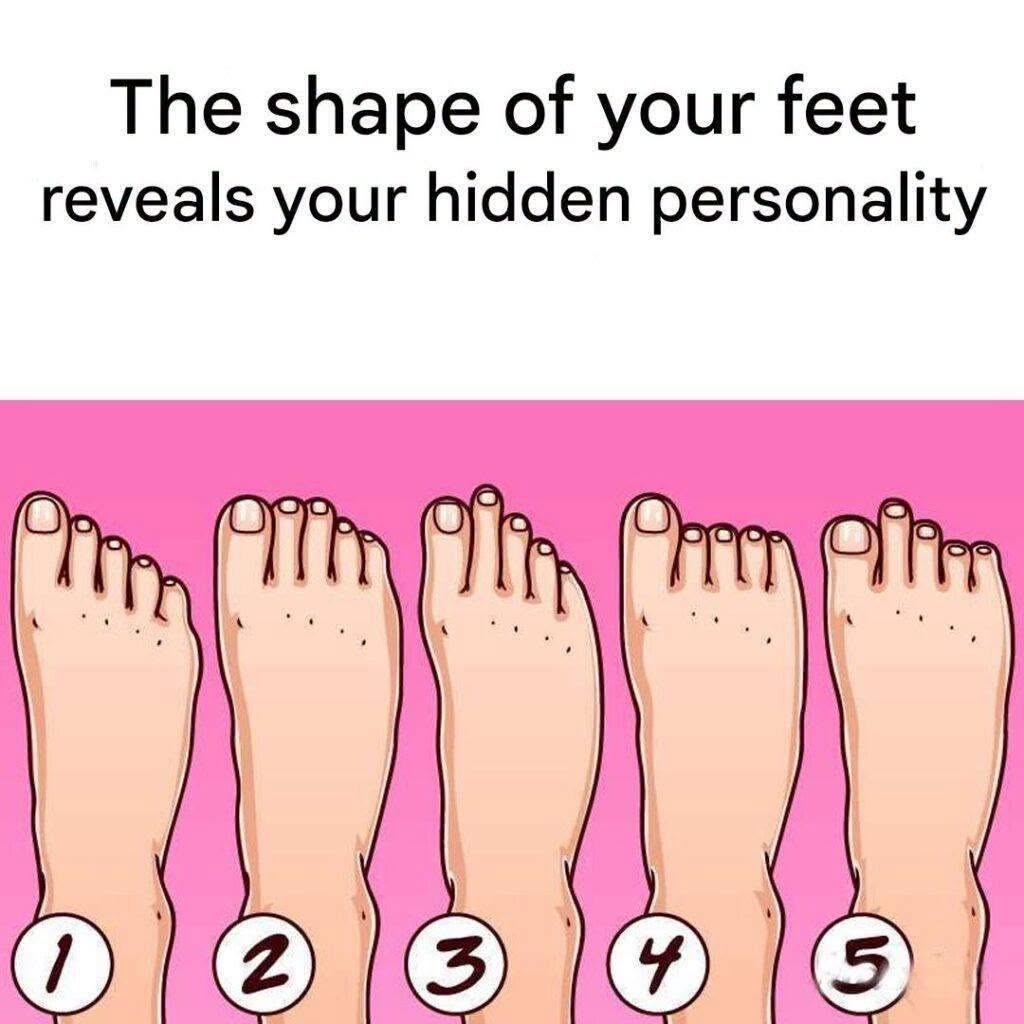
Why People Connect Physical Traits to Personality
Throughout history, many cultures have attempted to link physical features to personality characteristics. Ancient practices often associated facial features, hand shapes, and body proportions with behavioral traits.
Foot shape personality theories follow a similar pattern.
The basic idea suggests that inherited physical characteristics may somehow reflect aspects of temperament, intelligence, creativity, or emotional tendencies.
Although these beliefs remain popular, modern science generally views them as cultural traditions rather than evidence-based assessments.
The Rise of Viral Personality Quizzes
Social media platforms have accelerated the popularity of foot shape personality tests.
People enjoy these quizzes because they are:
- Quick and easy to complete
- Entertaining to share
- Conversation starters
- Relatable and engaging
- Often surprisingly flattering
Additionally, many personality descriptions use broad statements that allow readers to identify with multiple traits.
As a result, these quizzes continue spreading across social networks worldwide.
The Five Most Popular Foot Shapes
Egyptian Foot
The Egyptian Foot is often considered the most common foot shape.
Characteristics:
- Big toe is the longest
- Each subsequent toe gradually decreases in length
According to popular personality theories, people with Egyptian feet are believed to be:
- Creative
- Idealistic
- Thoughtful
- Artistic
- Independent
Supporters of this theory often describe Egyptian-foot individuals as dreamers who appreciate beauty and meaningful relationships.
However, these claims remain part of popular folklore rather than scientific fact.
Greek Foot
The Greek Foot features a second toe that extends beyond the big toe.
Characteristics:
- Second toe is longest
- Remaining toes descend in length
Popular personality descriptions suggest these individuals are:
- Energetic
- Charismatic
- Natural leaders
- Enthusiastic
- Adventurous
Some online personality charts even associate the Greek Foot with strong communication skills and confidence in social situations.
Because the second toe is prominent, this foot shape is sometimes called Morton’s Toe in medical discussions.
Additional Foot Shape Categories
Roman Foot
The Roman Foot displays a relatively straight line across the first three toes.
Characteristics:
- First three toes similar in length
- Remaining toes gradually shorten
According to popular theories, people with Roman feet are often described as:
- Outgoing
- Friendly
- Balanced
- Sociable
- Practical
These personality profiles frequently portray Roman-foot individuals as adaptable people who enjoy meeting new friends and exploring new experiences.
Again, these interpretations are entertainment-based rather than scientifically validated.
Peasant and Celtic Foot
The Peasant Foot features toes of nearly identical length.
Claimed traits include:
- Dependability
- Stability
- Hard work
- Practical thinking
The Celtic Foot combines characteristics of both Egyptian and Greek foot structures.
Typical features include:
- Long second toe
- Uneven toe arrangement
- Distinctive shape variation
Popular personality descriptions suggest Celtic-foot individuals are:
- Creative
- Independent
- Spontaneous
- Passionate
As with all foot personality theories, these descriptions should be viewed as lighthearted entertainment.
What Science Actually Says
Is There Any Evidence?
Despite their popularity, there is currently no scientific evidence demonstrating a connection between toe length and personality traits.
Personality develops through a complex interaction of factors, including:
- Genetics
- Environment
- Life experiences
- Education
- Social influences
- Personal choices
Foot structure, on the other hand, is primarily determined by inherited anatomical characteristics.
Scientists have not identified any reliable relationship between toe arrangements and personality profiles.
Why These Tests Often Feel Accurate
Many people are surprised by how accurate personality quizzes seem.
This phenomenon often relates to a psychological principle known as the Barnum Effect.
The Barnum Effect occurs when individuals interpret vague or general descriptions as highly personal and specific.
Examples include statements such as:
- You value close relationships.
- You enjoy recognition for your efforts.
- You sometimes prefer solitude.
- You can be both confident and self-critical.
Because these observations apply to many people, readers frequently perceive them as uniquely accurate.
Foot Shape and Real Health Considerations
What Foot Shape Can Actually Reveal
Although foot shape does not predict personality, it may provide useful information about foot health.
Certain toe arrangements can influence:
- Shoe fit
- Pressure distribution
- Walking mechanics
- Risk of bunions
- Risk of calluses
For example, people with Morton’s Toe may experience different weight distribution while walking.
Understanding your foot structure can help improve comfort and footwear selection.
When to Consult a Foot Specialist
Most foot shapes are completely normal and require no treatment.
However, professional evaluation may be helpful if you experience:
- Persistent foot pain
- Difficulty walking
- Frequent calluses
- Bunions
- Balance issues
- Toe deformities
A foot specialist can assess structural concerns and recommend appropriate solutions.
Comfort and function remain far more important than personality interpretations.
Why Personality Tests Remain So Popular
Entertainment and Self-Reflection
Even without scientific backing, personality quizzes continue attracting enormous audiences.
People enjoy them because they:
- Encourage self-reflection
- Create social interaction
- Offer entertainment
- Provide positive descriptions
- Spark curiosity
Many individuals use these quizzes as conversation starters rather than serious personality assessments.
Finding Value Without Taking Them Literally
There is nothing wrong with enjoying foot shape personality theories as long as they are viewed appropriately.
These quizzes can inspire discussion and self-exploration. However, they should not be used to make important decisions about relationships, careers, or personal identity.
A healthy balance of curiosity and skepticism allows people to enjoy these trends while recognizing their limitations.
Frequently Asked Questions
What is the most common foot shape?
The Egyptian Foot, characterized by a longest big toe and gradually descending toe lengths, is often considered the most common.
Is there scientific evidence linking foot shape to personality?
No. Current scientific research does not support a connection between foot shape and personality traits.
What is Morton’s Toe?
Morton’s Toe refers to a foot shape in which the second toe appears longer than the big toe.
Why do personality quizzes seem accurate?
Many quizzes rely on broad descriptions that apply to large numbers of people, a phenomenon known as the Barnum Effect.
Can foot shape affect health?
Yes. Foot structure can influence comfort, shoe fit, walking mechanics, and susceptibility to certain foot conditions.
Conclusion
What Does Your Foot Shape Say About You? Exploring Popular Personality Beliefs reveals an intriguing blend of folklore, psychology, and modern social media culture. While Egyptian, Greek, Roman, Celtic, and Peasant foot types have inspired countless personality interpretations, science does not support the idea that toe length determines character traits.
Nevertheless, these quizzes remain enjoyable because they encourage curiosity, conversation, and self-reflection. Whether your feet fit one category perfectly or none at all, the most important takeaway is that personality is shaped by far more than physical appearance. Enjoy the theories for fun, but let your actions, experiences, and values define who you truly are.



Leave a Reply