
The Origins of the Term
Before indoor plumbing, most homes relied on outdoor privies or outhouses.
Bathing, washing, and toilet facilities were often located in completely separate areas.
When indoor plumbing began spreading during the nineteenth century, architects needed a name for the small room that housed the new water-powered toilet.
The room was:
- Small, like a closet
- Equipped with running water
- Dedicated primarily to toilet use
The name “water closet” naturally followed.
Why It Was Considered Revolutionary
Today, a flush toilet seems ordinary.
In the nineteenth century, however, it was a remarkable technological advancement.
Indoor toilets offered:
- Greater convenience
- Improved sanitation
- Better hygiene
- Increased privacy
For many households, the installation of a water closet represented modern living and social progress.
Why the Abbreviation Survived
Although people in many English-speaking countries eventually adopted words such as:
- Bathroom
- Restroom
- Washroom
- Toilet
the abbreviation WC remained widely recognized.
One reason is that it transcended language barriers.
Travelers from different countries could recognize WC signage regardless of whether they spoke the local language.
Where You’ll Still See WC Today
The abbreviation remains common in many parts of the world, including:
Europe
Many public facilities continue using WC on restroom signs because it is widely understood by international visitors.
Hotels
Hotels frequently use WC to provide universally recognizable restroom directions.
Transportation Hubs
Train stations, airports, and bus terminals often rely on WC signage for simplicity and international accessibility.
Older Buildings
Historic buildings may preserve original WC signs as part of their architectural character.
Different Names Around the World
Interestingly, people use many different terms for the same room.
United States
Common terms include:
- Restroom
- Bathroom
Canada
Many people use:
- Washroom
United Kingdom
Common expressions include:
- Toilet
- Loo
Australia and New Zealand
People often say:
- Toilet
- Bathroom
Despite these differences, WC remains widely understood.
Is a WC the Same as a Bathroom?
Not always.
Historically, a water closet referred specifically to a room containing a toilet.
A bathroom, on the other hand, contained a bathtub or shower.
In modern usage, however, the distinction has largely disappeared in many countries.
People frequently use bathroom, restroom, washroom, and toilet interchangeably.
Why Travelers Should Know the Term
Understanding WC can be surprisingly useful when traveling internationally.
In many countries, restroom signs may display only:
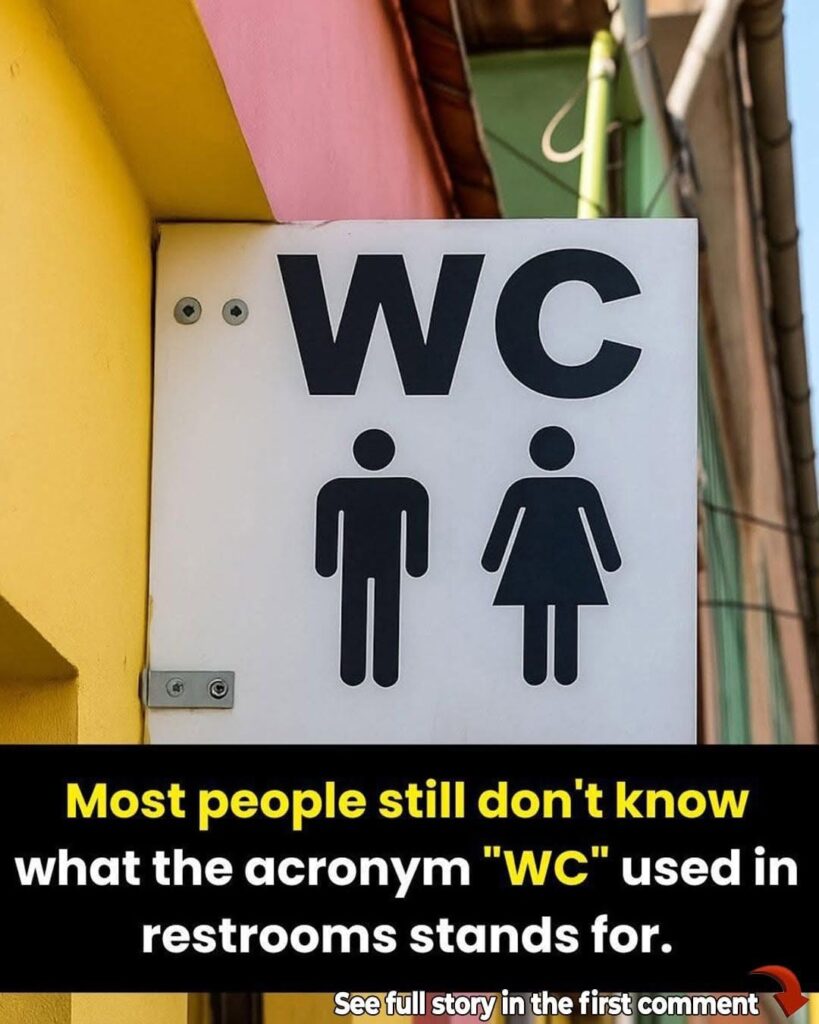
- WC
- Men’s WC
- Women’s WC
Recognizing the abbreviation can save time and prevent confusion when navigating unfamiliar places.
A Small Piece of Everyday History
The letters WC are easy to overlook.
Yet they offer a glimpse into a period when indoor plumbing transformed daily life.
What began as a practical description of a small room containing a water-powered toilet eventually became one of the most recognizable restroom symbols in the world.
Final Thoughts
The next time you see a WC sign, you’ll know it stands for Water Closet, a term dating back to the early days of indoor plumbing.
While language has evolved and different regions now use a variety of names for restrooms, those two simple letters remain a lasting reminder of one of history’s most important household innovations.
It’s a small detail that millions of people pass every day without realizing the fascinating story behind it.



Leave a Reply