
Step 3: Avoid Extended Heat Exposure
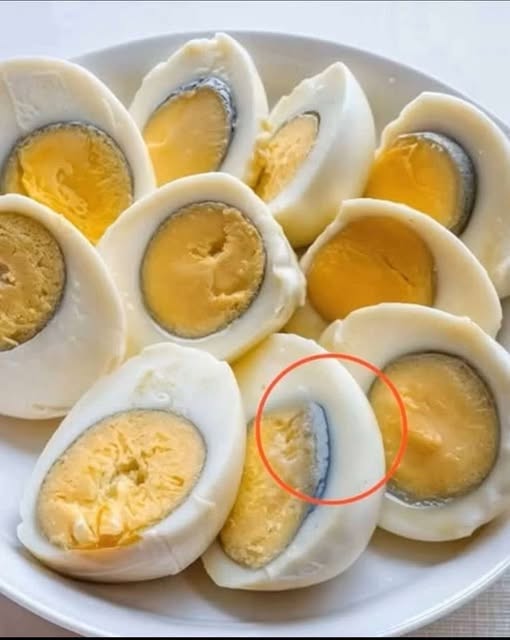
Leaving eggs in hot water for extended periods is one of the most common causes of green-ring formation.
Even after the burner is turned off, residual heat can continue cooking the eggs.
Does the Green Ring Affect Taste?
The ring itself has very little impact on flavor.
However, eggs that develop a prominent green ring are often slightly overcooked.
This may result in:
- A firmer yolk
- A drier texture
- A stronger sulfur aroma
Many people still enjoy them without noticing a significant difference.
Does the Green Ring Affect Nutrition?
No.
The nutritional value remains essentially unchanged.
The egg still contains:
- High-quality protein
- Healthy fats
- Vitamin B12
- Choline
- Selenium
- Vitamin D
- Riboflavin
The chemical reaction affects appearance more than anything else.
Why Some Eggs Develop a Ring More Easily
Several factors can influence whether the ring appears.
Cooking Time
Longer cooking times increase the likelihood of the reaction.
Cooking Temperature
Higher temperatures speed up the formation of ferrous sulfide.
Egg Age
Older eggs may sometimes develop the ring more readily because of changes that occur inside the shell over time.
Mineral Content of Water
In some cases, water chemistry may slightly influence the appearance of cooked eggs, although cooking time and temperature are usually the biggest factors.
Other Egg Color Changes You Might Notice
Not every unusual egg color indicates a problem.
Green Ring Around the Yolk
- Harmless
- Caused by overcooking
- Safe to eat
Slightly Darkened Yolk
- Often related to cooking time
- Usually harmless
Greenish Egg Whites
Rarely, eggs cooked in cast iron cookware or exposed to certain minerals may develop slight discoloration.
Pink, Rainbow, or Iridescent Whites
Sometimes egg whites display colorful sheens due to natural proteins interacting with light.
These are generally harmless.
When Should You Be Concerned?
While a green ring is normal, some signs may indicate spoilage.
Discard eggs if you notice:
- Strong unpleasant odor
- Slimy texture
- Mold
- Cracked shells with contamination
- Unusual discoloration throughout the egg
When in doubt, the smell test is often helpful. Spoiled eggs typically produce a very noticeable and unpleasant odor.
The Perfect Hard-Boiled Egg Method
For consistently tender eggs with bright yellow yolks:
Ingredients
- Large eggs
- Water
- Ice
Instructions
- Place eggs in a single layer in a saucepan.
- Cover with cold water by about one inch.
- Bring water to a gentle boil.
- Remove from heat immediately.
- Cover and let stand for 10-12 minutes.
- Transfer eggs to an ice bath for 5-10 minutes.
- Peel and enjoy.
This method minimizes overcooking and helps preserve the vibrant yellow yolk many people prefer.
Fun Egg Fact
The sulfur responsible for the green ring is also responsible for the familiar “egg smell” many people associate with hard-boiled eggs.
The longer eggs cook, the more noticeable sulfur compounds can become.
That’s why perfectly cooked eggs tend to smell milder than overcooked ones.
Final Thoughts
The green ring around a hard-boiled egg yolk may look unusual, but it’s simply the result of a harmless chemical reaction between sulfur in the egg white and iron in the yolk. It does not indicate spoilage, contamination, or reduced nutritional value.
If appearance matters, you can easily prevent the ring by avoiding overcooking and cooling eggs quickly after cooking. But if you crack open an egg and find a greenish edge around the yolk, there’s no reason to worry.
It may not win a beauty contest, but it’s still perfectly safe, nutritious, and ready to eat.



Leave a Reply