
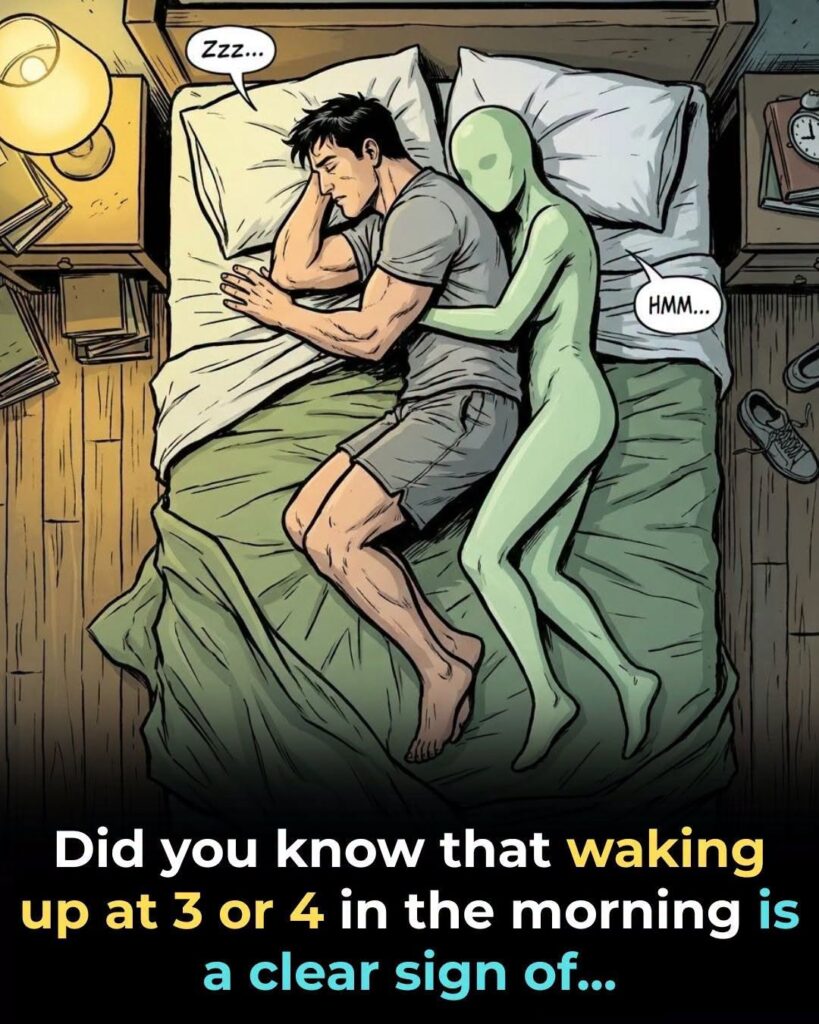
Why the Pre-Dawn Hours Feel Different
The hours before sunrise have long held special significance across many cultures and spiritual traditions.
The world is quieter. Traffic slows. Notifications stop. Most people are asleep.
This natural stillness creates an environment that many find ideal for reflection, prayer, meditation, or creative thinking.
Because distractions are reduced, thoughts and emotions often become more noticeable during these early hours.
As a result, some traditions regard this period as especially meaningful for personal growth and contemplation.
Spiritual Perspectives on Early-Morning Awakening
Different spiritual traditions have developed their own interpretations of waking before dawn.
Meditation and Inner Reflection
In several Eastern traditions, the period before sunrise is considered an ideal time for meditation and self-awareness practices.
The calm environment may help people focus inward without the interruptions of daily life.
Many practitioners report feeling mentally clear and emotionally centered during these hours.
Prayer and Contemplation
Throughout history, some religious communities have intentionally awakened before sunrise for prayer.
The quiet atmosphere encourages concentration and reflection, making it easier to engage in spiritual practices.
For many people, these early moments provide an opportunity to reconnect with personal values, faith, or purpose.
Emotional Awareness
Some spiritual teachings suggest that recurring early awakenings may coincide with periods of personal transformation.
Major life changes, emotional growth, or shifts in perspective can increase self-reflection, which may become more noticeable during quiet nighttime hours.
While these interpretations vary widely, they often encourage individuals to pay attention to their thoughts and feelings rather than dismissing them.
What Sleep Science Says
Modern sleep research offers several well-understood explanations for waking between 3 and 5 a.m.
These explanations do not diminish personal meaning; they simply describe biological processes that commonly occur during this time.
Sleep Cycle Changes
Human sleep occurs in repeating cycles throughout the night.
As morning approaches, people often spend more time in lighter stages of sleep. During these lighter stages, even small disturbances can trigger awakening.
A change in room temperature, noise, stress, or movement may be enough to wake someone briefly.
Natural Hormone Activity
The body begins preparing for wakefulness hours before you actually get out of bed.
One hormone involved in this process is cortisol, which gradually rises during the early morning.
This increase helps promote alertness and supports the transition from sleep to wakefulness.
Sometimes that process can cause a person to wake earlier than intended.
Stress and Anxiety
Mental stress frequently affects sleep quality.
When worries remain unresolved, the brain may become more alert during the night. As external distractions disappear, concerns that seem manageable during the day can feel more intense in the quiet hours of the morning.
This is one reason people often find themselves thinking about work, relationships, finances, or personal challenges after waking unexpectedly.
The Role of Mental Processing
Sleep is not simply a period of inactivity.
The brain remains remarkably active throughout the night, organizing memories, processing emotions, and consolidating information from daily experiences.
Researchers believe that emotional processing continues during sleep.
For some individuals, waking during the early morning may coincide with periods when the brain is actively sorting through thoughts and experiences.
This does not necessarily indicate a spiritual event or a medical problem. It may simply reflect the brain’s ongoing work behind the scenes.
What Should You Do If It Happens Regularly?
If you wake between 3 and 5 a.m., consider observing the experience rather than immediately reacting to it.
Ask yourself:
- Have I been under unusual stress?
- Has my sleep schedule changed recently?
- Am I consuming caffeine late in the day?
- Have I been feeling emotionally overwhelmed?
- Is there something important occupying my thoughts?
Keeping a simple journal may help identify patterns over time.
Some people find that writing down their thoughts reduces mental tension and makes it easier to return to sleep.
Others use the time for quiet reflection, breathing exercises, or prayer before returning to bed.
When to Seek Professional Advice
Occasional early awakening is extremely common and usually not a cause for concern.
However, it may be worth speaking with a healthcare professional if:
- Sleep disruption occurs frequently.
- Fatigue affects daily functioning.
- Symptoms persist for several weeks.
- Anxiety or depression appears to be contributing.
- Other health concerns accompany sleep difficulties.
Sleep quality plays an important role in physical and mental health, so persistent problems deserve attention.
Finding Meaning Without Fear
Whether you approach these experiences through a spiritual lens, a scientific lens, or a combination of both, there is no reason to panic if you occasionally wake before dawn.
The experience may reflect normal sleep biology. It may also provide a quiet opportunity for reflection and self-awareness.
Many people discover that these moments become valuable pauses in otherwise busy lives.
Rather than viewing them as mysterious warnings or problems to fear, consider them invitations to pay closer attention to your body, mind, and overall well-being.
Conclusion
Waking between 3 and 5 a.m. is a common experience with several possible explanations. Spiritual traditions often view these hours as ideal for reflection and inner growth, while sleep science points to normal biological processes such as changing sleep cycles, hormone fluctuations, and emotional processing.
Neither perspective needs to exclude the other.
By approaching these awakenings with curiosity rather than concern, you may gain a better understanding of your sleep, your thoughts, and the factors influencing your overall well-being.



Leave a Reply