
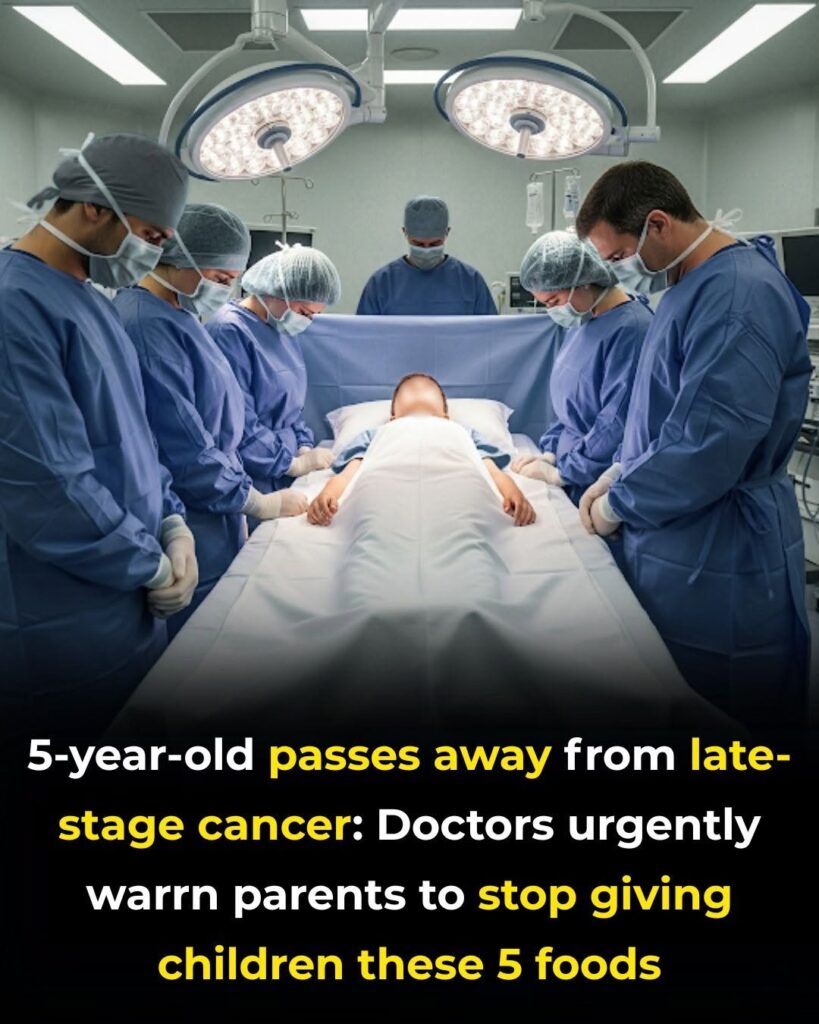
“Doctors warn parents to stop feeding children these five foods”
is more likely to generate clicks than a detailed discussion of genetics, biology, and cancer research.
However, scientific reality is usually more complicated.
Most childhood cancers cannot be traced to a specific food, meal, or parenting decision.
Foods Often Mentioned in Viral Claims
Several categories of foods frequently appear in alarming articles.
Processed Snacks
Examples include:
- Chips
- Candy
- Packaged desserts
While these foods are generally best enjoyed in moderation, there is no evidence that eating them directly causes childhood cancer.
Sugary Drinks
Excessive sugar intake can contribute to:
- Tooth decay
- Weight gain
- Poor overall nutrition
However, sugar itself does not directly cause childhood cancer.
Fast Food
Fast food is often high in:
- Sodium
- Saturated fat
- Calories
Limiting frequent consumption may benefit overall health, but occasional fast-food meals do not cause cancer in children.
Processed Meats
Some processed meats have been associated with increased cancer risk in adults when consumed regularly over long periods.
This research primarily concerns adult populations and does not support claims that occasional consumption causes childhood cancer.
Artificial Ingredients
Online rumors frequently blame food dyes, preservatives, and additives.
Current scientific evidence does not support broad claims that these ingredients cause childhood cancer.
Regulatory agencies continue monitoring food safety and evaluating available research.
What Doctors Actually Recommend
Rather than focusing on a list of “forbidden foods,” pediatric experts encourage balanced nutrition.
Healthy eating patterns typically include:
Fruits and Vegetables
Provide:
- Vitamins
- Minerals
- Fiber
- Antioxidants
Whole Grains
Examples include:
- Oats
- Brown rice
- Whole-wheat products
Lean Proteins
Examples include:
- Fish
- Poultry
- Beans
- Eggs
Dairy or Alternatives
These can help support healthy growth and development.
Adequate Hydration
Water remains one of the healthiest beverage choices for children.
Avoiding Unnecessary Fear
Parents often feel pressure to make perfect decisions regarding their children’s health.
Unfortunately, misinformation can create unnecessary guilt and anxiety.
It is important to remember:
- No diet guarantees protection from cancer.
- No single food causes childhood cancer.
- Most childhood cancers cannot currently be prevented through nutrition.
Good nutrition supports overall health, but it should not be viewed as a guaranteed defense against every disease.
Reliable Sources Matter
When evaluating health claims, consider whether information comes from:
- Pediatric oncologists
- Major children’s hospitals
- Government health agencies
- Peer-reviewed medical research
Be cautious of articles that:
- Use fear-based language
- Promise certainty
- Blame specific foods without evidence
- Make dramatic claims without scientific references
The Bottom Line
Childhood cancer is a complex medical condition that is rarely linked to lifestyle or dietary choices. Claims that specific foods directly cause childhood cancer are generally unsupported by scientific evidence.
Rather than focusing on frightening headlines, parents can support their children’s health by encouraging balanced eating habits, regular physical activity, adequate sleep, routine medical care, and a nurturing environment.
The goal should not be perfection.
It should be creating healthy, sustainable habits while recognizing that many serious childhood illnesses occur for reasons beyond anyone’s control.
When questions arise, trusted healthcare professionals remain the best source of guidance-not viral headlines.

Leave a Reply