
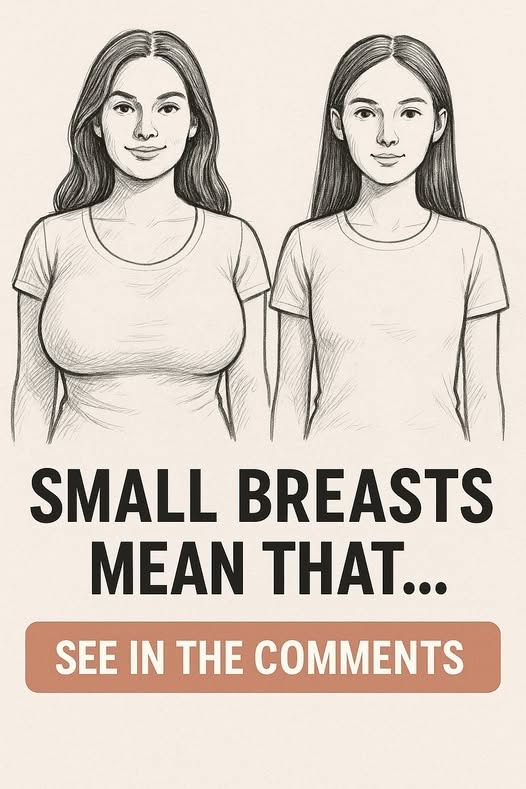
Why Breast Size Changes Throughout Life
Breast size is not fixed.
Many women experience natural changes during different life stages.
Puberty
Hormonal changes trigger initial breast development.
Menstrual Cycles
Monthly hormonal fluctuations can temporarily affect breast size and sensitivity.
Pregnancy
Breast tissue expands significantly to prepare for milk production.
Breastfeeding
Milk production can substantially alter breast volume.
Menopause
Declining estrogen levels may lead to changes in breast density and composition.
These shifts are normal and do not necessarily indicate a health problem.
Common Hormonal Conditions and Breast Changes
While breast size alone rarely reveals hormonal status, certain endocrine conditions can influence breast tissue.
Polycystic Ovary Syndrome (PCOS)
Women with PCOS may experience:
- Irregular periods
- Acne
- Excess facial or body hair
- Weight changes
Breast size itself is not a reliable indicator of PCOS.
Thyroid Disorders
Both underactive and overactive thyroid conditions can affect:
- Menstrual cycles
- Metabolism
- Energy levels
- Breast tenderness
However, thyroid disorders do not consistently produce predictable changes in breast size.
Menopause
Hormonal shifts during menopause often result in:
- Reduced breast density
- Changes in firmness
- Altered breast shape
Again, these changes vary widely between individuals.
Signs of Hormonal Imbalance That Matter More Than Breast Size
If you’re concerned about hormonal health, doctors typically pay attention to symptoms such as:
Menstrual Changes
- Missed periods
- Very heavy periods
- Irregular cycles
Skin Changes
- Persistent acne
- Excess oil production
Hair Changes
- Hair thinning
- Excess facial hair growth
Weight Fluctuations
- Unexplained weight gain
- Difficulty losing weight
Energy Levels
- Fatigue
- Sleep disturbances
Mood Changes
- Anxiety
- Depression
- Irritability
These symptoms often provide more meaningful information than breast size alone.
Breast Density vs. Breast Size
An important distinction is breast density.
Breast Size
Refers to overall breast volume.
Breast Density
Refers to the proportion of:
- Glandular tissue
- Connective tissue
- Fatty tissue
A woman may have:
- Small but dense breasts
- Large but less dense breasts
Breast density is an important medical consideration because it can influence mammogram interpretation and breast cancer screening recommendations.
Myths Worth Leaving Behind
Myth 1: Larger Breasts Mean Higher Fertility
Scientific evidence does not support this claim.
Fertility depends on many factors, including:
- Ovulation
- Reproductive health
- Age
- Hormonal function
Breast size is not a reliable fertility indicator.
Myth 2: Small Breasts Mean Low Estrogen
Not true.
Many women with perfectly normal estrogen levels naturally have smaller breasts.
Myth 3: Breast Size Predicts Health
Overall health cannot be determined by breast size.
Important indicators include:
- Blood pressure
- Blood sugar levels
- Cholesterol
- Physical activity
- Nutrition
- Mental well-being
When to See a Doctor
Most breast size differences are completely normal.
However, medical evaluation may be appropriate if you notice:
- Sudden unexplained breast enlargement
- Significant asymmetry that develops rapidly
- Persistent pain
- New lumps
- Nipple discharge
- Skin changes
These symptoms deserve professional assessment regardless of breast size.
The Bigger Picture
Human bodies are incredibly diverse.
Breast size varies naturally across populations due to genetics, body composition, ethnicity, age, and life stage.
Healthy hormones can exist in women with:
- Small breasts
- Medium breasts
- Large breasts
Likewise, hormonal conditions can occur in women of every body type.
Final Thoughts
Breast size is not a reliable measure of hormonal health. While hormones influence breast development and can cause temporary changes throughout life, genetics and body fat distribution play much larger roles in determining overall breast size. A woman’s hormonal health is better evaluated through symptoms, medical history, physical examination, and laboratory testing-not cup size.
The most important takeaway is simple: there is no “ideal” breast size that signals better health, fertility, or femininity. Healthy bodies come in many shapes and sizes, and breast size alone reveals very little about what’s happening inside the endocrine system.



Leave a Reply