
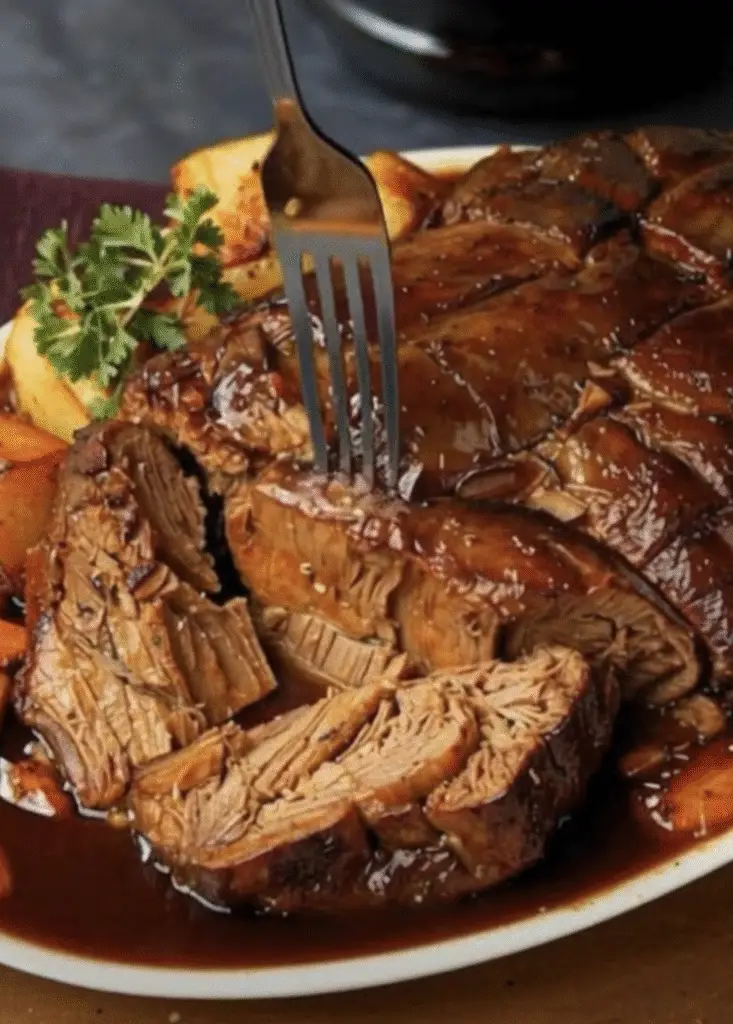
Three-Envelope Roast is one of those classic slow cooker recipes that feels almost too easy for how good it tastes. With just a beef roast, three seasoning packets, and a little water, this dish delivers tender, flavorful meat and rich pan juices every single time. Because Three-Envelope Roast relies on slow cooking and pantry staples, it works perfectly for busy days when you want comfort food without extra effort.
What makes Three-Envelope Roast so popular is reliability. The seasonings create a deeply savory flavor, the meat cooks until fork-tender, and the juices double as a built-in gravy. Whether you serve it with vegetables, mashed potatoes, or crusty bread, this roast feels hearty, familiar, and satisfying. If you enjoy hands-off meals that never disappoint, Three-Envelope Roast deserves a regular spot in your meal plan.
Before breaking down the method, here is a short personal story that shows why this recipe has stood the test of time.
A Classic Roast That Always Delivers
How This Recipe Became a Household Favorite
I first made Three-Envelope Roast on a day when I needed dinner to cook itself. I had a roast in the fridge and a few seasoning packets in the pantry. I sprinkled everything over the meat, added water, and let the slow cooker handle the rest. Hours later, the house smelled incredible. The roast pulled apart effortlessly, and the juices tasted like a finished gravy. Since then, Three-Envelope Roast has become my go-to whenever I need something dependable, comforting, and guaranteed to please everyone at the table.
Why This Recipe Never Fails
This recipe works because the seasoning blends complement each other perfectly. The onion soup adds depth, the ranch adds tang and herbs, and the au jus mix brings rich beefy flavor. Slow cooking allows these flavors to soak deeply into the meat while keeping it moist and tender.
Choosing the Right Cut of Beef
Best Roasts for Slow Cooking
Three-Envelope Roast works best with cuts that benefit from long, slow cooking. Chuck roast is the top choice because it contains marbling that breaks down into tenderness. Rump roast also works well, producing a slightly leaner result that still shreds nicely.
Avoid very lean cuts, which can dry out even in a slow cooker. A roast between three and four pounds fits most slow cookers perfectly and cooks evenly.
Optional Searing for Extra Flavor
Searing the roast before slow cooking adds a deeper, richer flavor. Heating oil in a skillet and browning the roast on all sides creates caramelization that enhances the final dish.
While optional, this step adds complexity without much extra effort. If time allows, it is worth doing.
Equipment
- Slow Cooker
- skillet (optional)
- tongs
Ingredients
- 4 lb beef chuck or rump roast
- 3 packets dry onion soup mix
- 1 packet ranch seasoning mix
- 1 packet au jus gravy mix
- 0.5 cup water
- potatoes, carrots, and onions (optional)
Instructions
- Optional: Sear the roast in oil until browned on all sides.
- Place roast in the slow cooker and sprinkle all seasoning packets evenly over it.
- Pour water around the roast and add vegetables if using.
- Cook on low for 8 hours or high for 4–5 hours until tender.
- Slice or shred roast and serve with vegetables and pan juices.
Notes
Nutrition
Understanding the Three Envelopes
Onion Soup Mix
Dry onion soup mix brings savory depth and natural sweetness. It dissolves into the cooking liquid, creating a flavorful base that penetrates the meat.
This mix also contains seasonings that enhance the natural beef flavor without overpowering it.
Ranch Seasoning Mix
Ranch seasoning adds tang, herbs, and a subtle creaminess. It balances the richness of the beef and onion soup mix, creating a more rounded flavor.
Even people who do not usually enjoy ranch flavors appreciate how subtle and balanced it becomes during slow cooking.
Au Jus Gravy Mix
Au jus mix provides concentrated beef flavor and helps thicken the cooking juices slightly. It transforms the liquid into a ready-made gravy that needs very little adjustment.
Together, these three envelopes create a seasoning blend that tastes far more complex than the ingredients suggest.
Assembling the Roast in the Slow Cooker
Layering for Best Results
Place the roast in the slow cooker first so it sits directly in the seasoning and liquid. Sprinkling the seasoning mixes evenly over the top ensures balanced flavor.
Pouring water around the roast helps dissolve the mixes without washing them off the meat. As the roast cooks, it releases juices that combine with the water to form a rich sauce.
Adding Vegetables
Adding potatoes, carrots, and onions turns Three-Envelope Roast into a complete one-pot meal. Placing vegetables around the roast allows them to absorb flavor while cooking evenly.
Cut vegetables into large chunks so they hold their shape during long cooking.
Slow Cooking for Tender Perfection
Low Versus High Heat
Cooking on low for eight hours produces the most tender result. The slow, steady heat allows connective tissue to break down fully.
Cooking on high for four to five hours works when time is limited, though the texture may be slightly firmer. Both methods still deliver excellent flavor.
Knowing When It’s Done
The roast is ready when it pulls apart easily with a fork. At this point, the meat has absorbed flavor and reached peak tenderness.
If the roast feels firm, continue cooking until it softens fully.
Serving the Roast
Slicing or Shredding
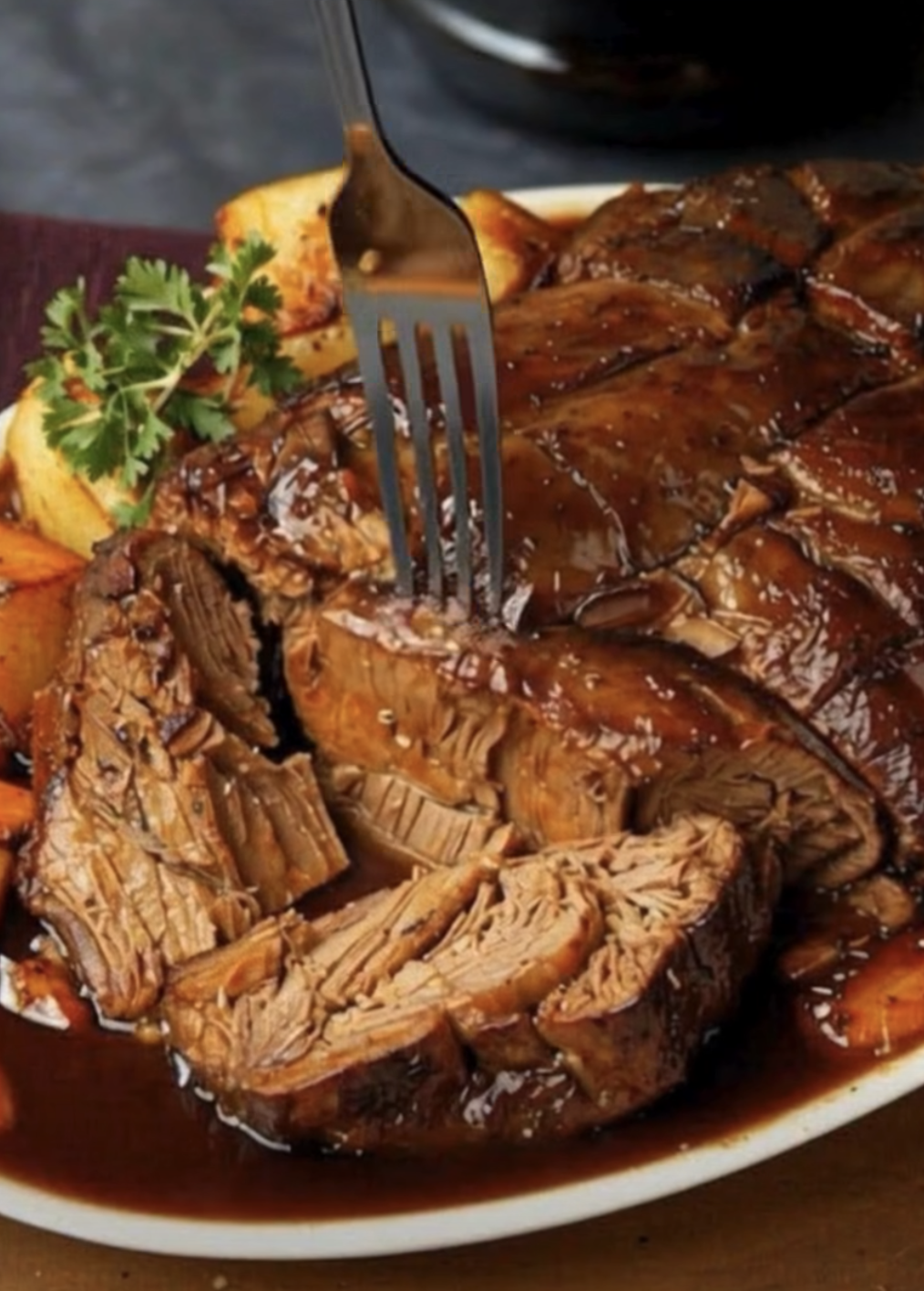
Three-Envelope Roast can be sliced for a classic presentation or shredded for a more casual meal. Shredded beef mixes beautifully with the pan juices.
Serving the meat with vegetables and spooning gravy over everything creates a comforting plate.
Making Extra Gravy
If you prefer thicker gravy, removing the roast and vegetables allows you to thicken the liquid. Simmering it with a cornstarch slurry quickly creates a smooth, rich gravy.
This optional step adds polish without complexity.
Leftovers and Creative Uses
Storing Leftovers
Store leftover Three-Envelope Roast in an airtight container with some cooking liquid. Refrigerate for up to four days.
Keeping the meat in liquid prevents drying during reheating.
Repurposing the Meat
Leftover roast works beautifully in sandwiches, tacos, wraps, or over rice. The seasoned beef adapts easily to different meals without losing flavor.
This versatility makes Three-Envelope Roast ideal for meal prep.
Common Tips for Best Results
Managing Saltiness
Because seasoning mixes contain salt, tasting before adding extra seasoning matters. Using low-sodium broth instead of water also helps control salt levels.
Adjusting after cooking ensures balance.
Avoiding Dry Meat
Keeping the lid closed during cooking maintains moisture. Opening it frequently releases heat and extends cooking time.
Trust the slow cooker to do its job.
Frequently Asked Questions
Can I use pork instead of beef?
Yes, pork roast also works well.
Do I need to add more liquid?
No, the roast releases plenty of juices.
Can I cook this overnight?
Yes, cooking on low overnight works well.
Is searing required?
No, but it adds flavor.
Can I freeze leftovers?
Yes, freeze with gravy for best results.
Conclusion: A Slow Cooker Classic Worth Keeping
Three-Envelope Roast proves that great flavor does not require complicated steps. With minimal preparation and reliable ingredients, this recipe delivers tender meat and rich gravy every time. Because it adapts easily to vegetables, leftovers, and different serving styles, it fits into nearly any routine. Once you make Three-Envelope Roast, it becomes a trusted classic you return to whenever you want comfort food without effort.


Leave a Reply