
Understanding Banana Ripening
What Happens as Bananas Ripen?
Bananas undergo a fascinating transformation from the moment they are harvested. During ripening, natural enzymes break down complex carbohydrates into simpler sugars. As a result, the fruit becomes softer, sweeter, and easier to digest.
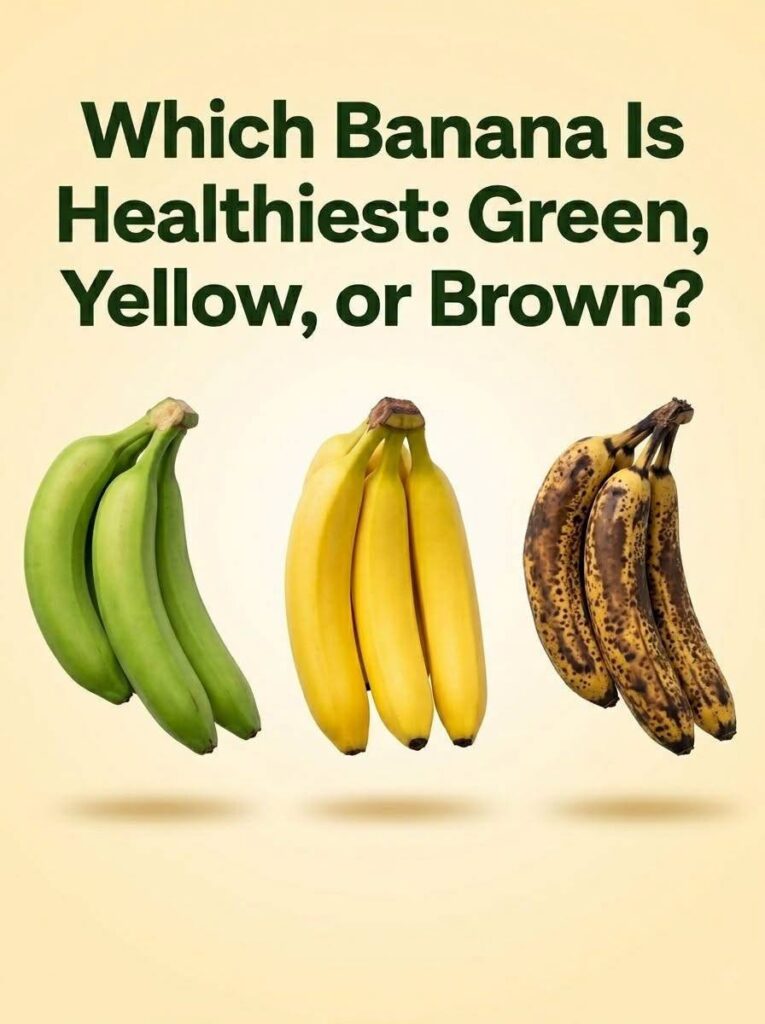
Green bananas contain large amounts of resistant starch. However, as ripening progresses, much of this starch converts into glucose, fructose, and sucrose. Consequently, yellow and brown bananas taste sweeter and provide quicker energy.
The color change from green to yellow and eventually brown reflects these internal chemical changes. Therefore, the appearance of a banana can offer valuable clues about its nutritional profile.
Key Nutrients Found in All Bananas
Regardless of ripeness, bananas remain rich in important nutrients.
A typical banana provides:
- Potassium
- Vitamin B6
- Vitamin C
- Magnesium
- Manganese
- Dietary fiber
- Natural carbohydrates
Additionally, bananas contain antioxidants that help combat oxidative stress within the body. Because they are portable, affordable, and naturally packaged, bananas remain one of the most convenient healthy snacks available.
Green Bananas: The Gut Health Champion
Why Green Bananas Support Digestive Health
Green bananas are especially rich in resistant starch. Unlike regular starch, resistant starch passes through the digestive tract without being fully broken down.
As a result, it functions similarly to dietary fiber. It feeds beneficial gut bacteria and helps support a healthy digestive system.
Many researchers consider resistant starch a prebiotic because it promotes the growth of beneficial microorganisms. Consequently, regular consumption may contribute to improved gut health and digestive balance.
Furthermore, resistant starch may support better mineral absorption, helping the body utilize nutrients such as calcium and magnesium more efficiently.
Benefits for Blood Sugar and Weight Management
Green bananas have a lower glycemic index than fully ripe bananas. Therefore, they generally cause a slower rise in blood sugar levels.
This characteristic makes green bananas appealing for people seeking:
- Better blood sugar control
- Longer-lasting fullness
- Reduced hunger between meals
- Improved weight management
Because resistant starch slows digestion, individuals often feel satisfied for longer periods after eating green bananas.
However, some people may experience bloating or digestive discomfort due to the higher resistant starch content. Therefore, gradual introduction may be beneficial for sensitive digestive systems.
Yellow Bananas: The Balanced All-Rounder
The Ideal Combination of Nutrition and Taste
Yellow bananas represent the middle stage of ripeness and often provide the best balance between flavor and nutrition.
At this stage, some resistant starch remains, but much has converted into natural sugars. Consequently, yellow bananas offer both sustained energy and pleasant sweetness.
Many people find yellow bananas easier to digest than green ones while still benefiting from a moderate amount of fiber.
This balance makes yellow bananas a practical choice for daily consumption.
Great for Athletes and Active Lifestyles
Because yellow bananas provide readily available carbohydrates, they serve as an excellent energy source before physical activity.
Athletes often choose yellow bananas because they:
- Digest relatively quickly
- Replenish energy stores
- Supply potassium for muscle function
- Help support endurance performance
Additionally, yellow bananas pair well with protein-rich foods such as yogurt, nuts, or peanut butter, creating a balanced snack that supports recovery and sustained energy.
Their portability also makes them ideal for busy schedules, travel, and on-the-go nutrition.
Brown Bananas: The Sweetest Option
Increased Antioxidants and Easy Digestion
As bananas continue ripening, brown spots begin appearing on the peel. While some people avoid spotted bananas, they actually offer several unique advantages.
The starch content becomes almost entirely converted into simple sugars. Consequently, brown bananas are extremely easy to digest.
Research also suggests that antioxidant activity may increase as bananas ripen. Therefore, heavily spotted bananas can contribute additional antioxidant support.
Because they are softer and sweeter, brown bananas are particularly appealing to individuals who prefer naturally sweet foods.
Perfect for Baking and Natural Sweetness
Brown bananas shine in the kitchen.
Their rich sweetness makes them ideal for:
- Banana bread
- Muffins
- Pancakes
- Smoothies
- Oatmeal
- Healthy desserts
Using ripe bananas often reduces the need for added sugar in recipes. As a result, they can help create healthier baked goods while enhancing flavor naturally.
Many home cooks intentionally allow bananas to develop brown spots before baking because the flavor becomes deeper and more concentrated.
Choosing the Right Banana for Your Goals
Which Ripeness Stage Is Best?
The answer depends entirely on your needs.
Choose green bananas if your priority is:
- Digestive health
- Resistant starch intake
- Blood sugar management
- Long-lasting fullness
Choose yellow bananas if your priority is:
- Balanced nutrition
- Everyday snacking
- Athletic performance
- Quick but steady energy
Choose brown bananas if your priority is:
- Easy digestion
- Natural sweetness
- Baking recipes
- Smoothies and desserts
Each stage offers distinct advantages, making bananas one of the most versatile fruits available.
Practical Tips for Storage and Ripening
To control ripeness, store bananas according to your needs.
For slower ripening:
- Keep bananas in a cool location.
- Separate individual bananas from the bunch.
- Avoid direct sunlight.
For faster ripening:
- Place bananas in a paper bag.
- Store near apples or avocados.
- Keep at room temperature.
Once bananas reach your preferred stage, refrigeration can slow further ripening, although the peel may darken.
Frequently Asked Questions
Are green bananas healthier than yellow bananas?
Not necessarily. Green bananas contain more resistant starch, while yellow bananas offer easier digestion and quicker energy.
Do brown bananas contain more sugar?
Yes. As bananas ripen, starch converts into natural sugars, making brown bananas noticeably sweeter.
Can people with diabetes eat bananas?
Many people with diabetes can enjoy bananas in moderation, although green bananas generally have a lower glycemic impact. Individual needs may vary.
Which banana is best before exercise?
Yellow bananas are often preferred because they provide easily accessible carbohydrates and potassium.
Are brown bananas safe to eat?
Yes. Brown-spotted bananas are perfectly safe as long as they are not moldy or spoiled.
Conclusion
The Ultimate Guide to Bananas: How Ripeness Changes Their Health Benefits demonstrates that every stage of ripeness offers unique nutritional advantages. Green bananas support gut health and blood sugar control, yellow bananas provide balanced nutrition and energy, while brown bananas deliver natural sweetness and easy digestion.
Rather than searching for a single "best" banana, consider your personal health goals. By matching ripeness to your needs, you can enjoy the full range of benefits this remarkable fruit has to offer.



Leave a Reply