
The Simple Fruit-Picking Tricks That Can Help You Choose Sweeter, Fresher Produce Every Time can turn an ordinary grocery trip into a much better experience. Nothing feels more disappointing than bringing home fruit that looks beautiful but tastes bland, dry, underripe, or overripe. Fortunately, you do not need special tools or expert training to make better choices. Instead, you can use simple clues like color, aroma, firmness, weight, and seasonality.
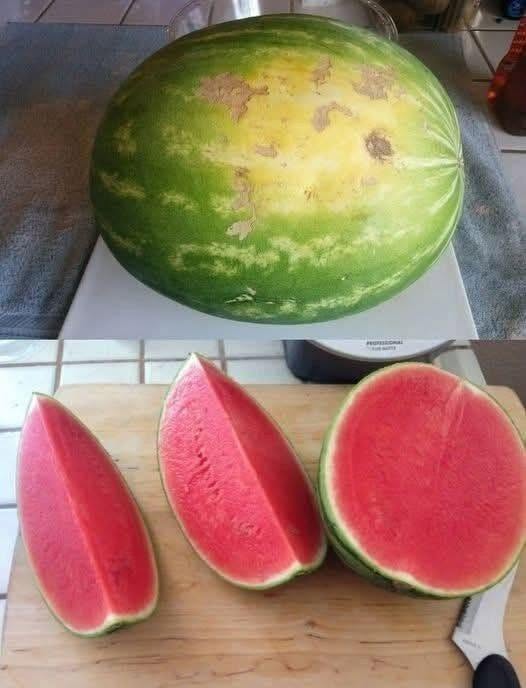
Although no trick guarantees perfect fruit every time, these habits can help you avoid common mistakes. Because fruit varies by type, variety, harvest timing, and storage conditions, the best approach combines several signs at once. For example, a ripe peach should smell fragrant, feel slightly soft near the stem, and show rich color. Meanwhile, a good watermelon should feel heavy, have a creamy field spot, and sound full when tapped.
I learned these tricks after too many disappointing grocery runs. I once bought a beautiful basket of peaches because they looked bright and flawless, but when I got home, they were hard, scentless, and dry. Later, a produce worker showed me how to smell near the stem, check gentle give, and avoid fruit with green undertones. The next week, I tried the same method and picked peaches that tasted sweet and juicy. Since then, I have slowed down in the produce aisle. A few extra seconds really can change what ends up on the table.
Understanding What Makes Fruit Taste Fresh and Sweet
Why Ripeness Matters
Ripeness affects flavor, texture, aroma, and juiciness. When fruit ripens properly, starches may convert into sugars, acids soften, aromas develop, and flesh becomes more pleasant to eat. As a result, ripe fruit often tastes sweeter and smells stronger.
However, every fruit behaves differently after harvest. Bananas, pears, peaches, nectarines, mangoes, and avocados can continue ripening after picking. Therefore, you can buy them slightly firm and let them soften at home. On the other hand, strawberries, grapes, cherries, citrus fruits, and most melons do not become much sweeter after harvest. Because of that, you need to choose them carefully at the store.
Color also matters, but it should not be your only guide. Some fruits naturally stay green when ripe, while others turn red, yellow, orange, or purple. In addition, different varieties have different color patterns. So, rich natural color helps, but it works best when paired with smell, texture, and weight.
Why Freshness Is Different From Ripeness
Freshness and ripeness are related, but they are not the same. A fruit can be ripe but no longer fresh if it has bruises, mold, wrinkled skin, leaking juice, or a fermented smell. Likewise, a fruit can be fresh but underripe if it feels rock-hard and has little aroma.
For the best results, look for both freshness and ripeness. Choose fruit with clean skin, natural color, and no major damage. Then, check whether it feels ready to eat. This simple two-step habit can prevent many bad purchases.
Also, remember that fruit continues to change after you bring it home. Therefore, storage matters. Some fruits do better at room temperature until ripe, while others should go straight into the refrigerator. When stored well, fresh fruit keeps its flavor longer and reduces waste.
The Best Fruit-Picking Clues to Use in the Store
Look at Color, Shape, and Skin
Color gives the first clue. Ripe bananas usually turn yellow with little green left. Strawberries should look red from top to tip, with minimal white near the stem. Peaches and nectarines should show warm golden, orange, red, or yellow tones instead of strong green patches. Apples should look bright and firm for their variety.
However, avoid judging by color alone. Some fruit may look beautiful because of variety or display lighting, yet still taste bland. So, check the whole piece. Look for smooth skin, natural bloom, and healthy shape. Avoid large bruises, deep cracks, mold, shriveled spots, and leaking juice.
Small scars or harmless marks usually do not matter. In fact, perfectly flawless fruit does not always taste better. Sometimes the sweetest produce has small cosmetic imperfections. Still, serious damage can speed spoilage, so choose fruit that looks sound and sturdy.
Use Smell, Firmness, and Weight
Aroma can reveal a lot. Ripe peaches, nectarines, pineapples, mangoes, and melons often smell sweet and fragrant. If they smell sour, alcoholic, or fermented, they may be overripe. If they have no smell at all, they may need more time.
Firmness also helps. Gently press near the stem or shoulder of the fruit. A ripe peach should yield slightly. A pear may feel slightly soft near the neck. A mango should give a little when pressed. However, do not squeeze hard because that can bruise the fruit.
Weight matters, especially for juicy fruits. Pick up two similar fruits and choose the heavier one. A heavier orange, grapefruit, or watermelon often contains more juice. This trick works well because water content adds weight. Therefore, a fruit that feels heavy for its size often tastes fresher and juicier.
Fruit-by-Fruit Picking Tips
Watermelons, Pineapples, and Melons
Watermelon can feel tricky, but a few clues help. First, look for a creamy yellow field spot. This spot shows where the watermelon rested on the ground while growing. A pale white or missing field spot may mean it was picked too early. Next, choose a watermelon that feels heavy for its size. Also, check for a firm rind without soft spots or cracks.
Pineapple should smell sweet near the base. The exterior may show golden-yellow tones, although some ripe pineapples still have green areas. The leaves should look fresh, not dry and brittle. If a center leaf pulls with moderate resistance, the pineapple may be ready, but smell and firmness matter more.
Cantaloupe should smell sweet at the stem end and feel slightly heavy. The netted skin should look raised and even. Honeydew should feel heavy, slightly waxy, and fragrant. Because melons do not become much sweeter after harvest, choose carefully before buying.
Berries, Grapes, Peaches, and Apples
Strawberries should look bright red, plump, and fresh. Avoid berries with white tops, mushy spots, or mold. Since strawberries do not ripen much after picking, choose the reddest, freshest ones available.
Blueberries should look deep blue with a dusty natural bloom. Avoid wrinkled or wet berries. Raspberries and blackberries should look plump and dry, not crushed or leaking.
Grapes should stay firmly attached to green, flexible stems. Avoid grapes with brown, brittle stems or many shriveled pieces. Since grapes do not sweeten after harvest, taste quality depends on choosing good bunches.
Peaches and nectarines should smell fragrant and feel slightly soft near the stem. Avoid strong green undertones. Apples should feel firm, heavy, and crisp-looking. Avoid soft spots, wrinkles, and bruises.
How to Store Fruit After You Bring It Home
Room Temperature Ripening
Some fruit needs time on the counter. Bananas, pears, peaches, nectarines, mangoes, kiwi, and avocados can ripen at room temperature. Once they reach the texture you like, move them to the refrigerator to slow further ripening.
To speed ripening, place fruit in a paper bag. Bananas and apples release ethylene gas, which can encourage ripening in nearby fruits. However, watch the fruit closely because it can move from ripe to overripe quickly.
Keep delicate fruit in a single layer when possible. This prevents pressure marks and bruising. Also, avoid placing heavy fruit on top of softer fruit. A simple storage change can keep produce fresher for longer.
Refrigerator Storage
Berries, grapes, cherries, citrus, cut fruit, and ripe soft fruit usually do best in the refrigerator. Keep berries dry until you are ready to eat them. Moisture encourages mold, so washing too early can shorten shelf life.
Store grapes and cherries in breathable containers or bags. Keep citrus in the refrigerator if you want it to last longer. Apples also keep well chilled and can stay crisp for weeks.
Cut fruit should always go into a covered container in the refrigerator. For best flavor and safety, eat cut fruit within a few days. If fruit smells off, feels slimy, or shows mold, discard it.
FAQ
What is the easiest way to pick sweeter fruit?
Use more than one clue. Look for rich color, pleasant aroma, slight give, heavy weight, and no major damage. Together, these signs improve your chances.
Does fruit keep ripening after picking?
Some fruit does, including bananas, peaches, pears, mangoes, and avocados. Others, like strawberries, grapes, cherries, citrus, and most melons, do not become much sweeter after picking.
How can I choose a good watermelon?
Pick one that feels heavy for its size, has a creamy yellow field spot, and has a firm rind without soft spots or cracks.
Should I wash fruit before storing it?
Usually, wait to wash berries and delicate fruit until right before eating. Extra moisture can make them spoil faster.
Are ugly fruits still good?
Yes, small marks or odd shapes are often harmless. However, avoid mold, leaking juice, deep cracks, and large bruises.
Conclusion
The Simple Fruit-Picking Tricks That Can Help You Choose Sweeter, Fresher Produce Every Time are easy to use once you know what to look for. Color gives the first clue, but aroma, firmness, weight, and seasonality complete the picture. Because each fruit ripens differently, the best method changes slightly from peaches to berries to melons.
Still, the basic idea stays the same. Slow down, inspect the fruit gently, and trust several signs together. With practice, you can bring home produce that tastes sweeter, lasts longer, and makes every snack, smoothie, salad, and dessert more enjoyable.



Leave a Reply