
Addressing Common Concerns
Many people worry more about the preparation than the procedure itself.
Common concerns include:
- Drinking bowel preparation solutions
- Time away from work
- Embarrassment
- Sedation
- Discomfort
Discussing these concerns openly often helps reduce anxiety.
Healthcare teams routinely address these issues and can provide practical guidance.
Understanding What Happens During the Procedure
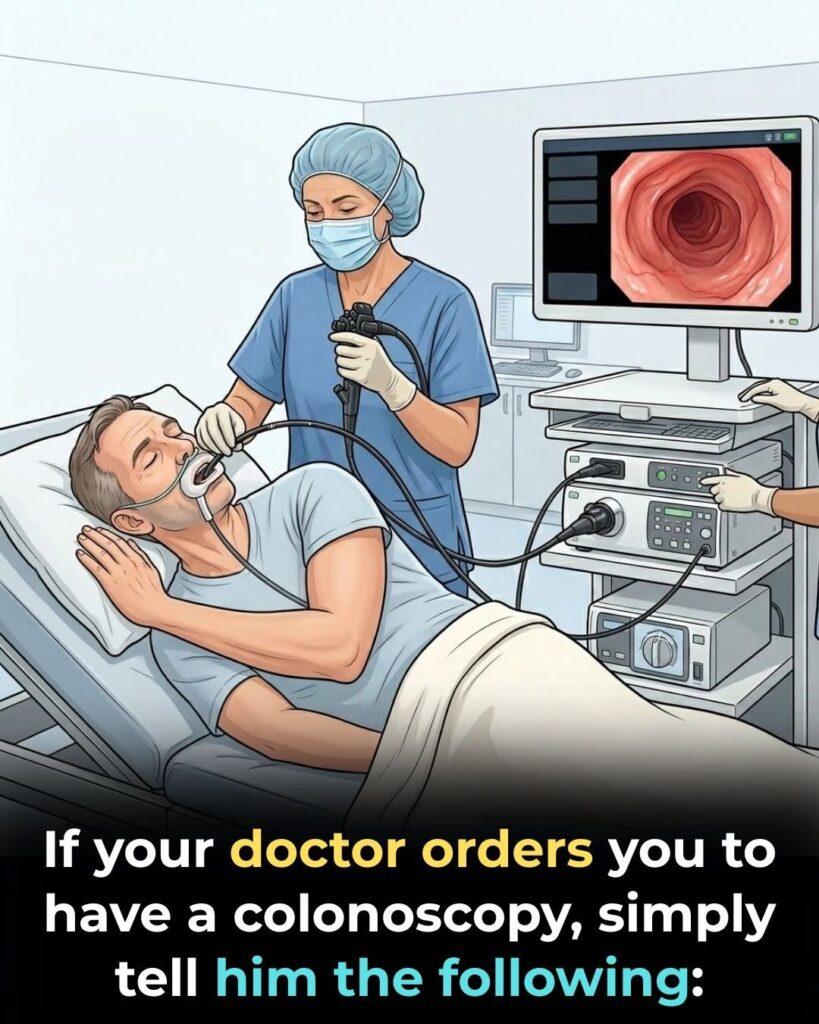
A colonoscopy allows a physician to examine the inside of the large intestine using a flexible instrument equipped with a camera.
During the procedure, doctors can:
- Identify abnormalities
- Remove polyps
- Collect tissue samples when needed
Most patients receive sedation and remember little or none of the procedure itself.
For many individuals, the anticipation proves more stressful than the actual experience.
Situations Where Timing Matters
Screening Intervals Exist for a Reason
More testing is not always better.
For example, if a recent colonoscopy was normal, repeating the procedure too soon may offer little additional benefit.
This is another reason personalized discussions matter.
Recommendations should consider:
- Previous findings
- Current symptoms
- Risk level
- Guideline-based screening intervals
Appropriate timing helps maximize benefits while minimizing unnecessary procedures.
Special Considerations for Older Adults
As people age, decisions about screening become more individualized.
Factors that may influence recommendations include:
- Overall health
- Life expectancy
- Previous screening history
- Personal preferences
For some older adults, continued screening remains beneficial. For others, the balance between benefits and risks may change.
These conversations deserve careful consideration.
Frequently Asked Questions
What is the most important question to ask before a colonoscopy?
Ask: “Based on my personal risk factors, what specific benefit do you expect this colonoscopy to provide for me right now?”
Why is colonoscopy important?
Colonoscopy can detect and remove precancerous polyps and help diagnose symptoms affecting the digestive system.
Is colonoscopy only used for cancer screening?
No. It is also used to investigate symptoms such as bleeding, anemia, abdominal pain, and changes in bowel habits.
Are there risks associated with colonoscopy?
Yes. Although serious complications are uncommon, risks can include bleeding, sedation-related complications, and rare bowel injury.
Can I discuss alternatives with my doctor?
Yes. Depending on your situation, alternative screening methods may be available and worth discussing.
Conclusion
The Key Question to Ask Before a Colonoscopy - And Why the Answer Changes Everything reminds us that healthcare works best when patients understand the purpose behind recommendations. Asking how a colonoscopy specifically benefits you right now encourages a more meaningful conversation and transforms the procedure from a generic screening test into a personalized health decision.
Rather than allowing fear or uncertainty to guide your choice, seek clarity. When patients understand their individual risks, potential benefits, and available options, they are better equipped to make informed decisions with confidence. Knowledge does not eliminate every concern, but it often replaces anxiety with perspective-and perspective can be a powerful tool in healthcare.



Leave a Reply