
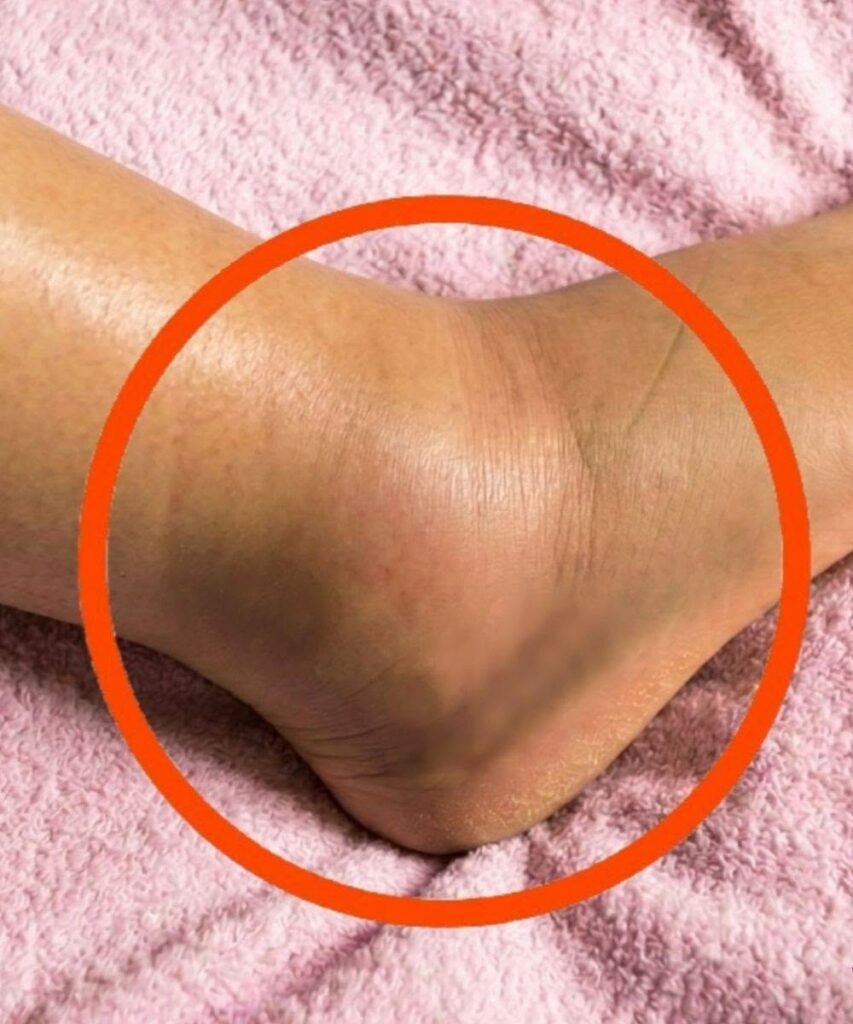
Understanding Why Legs Swell
What Is Edema?
Edema occurs when fluid escapes from tiny blood vessels and accumulates within surrounding tissues. Gravity naturally pulls this excess fluid downward, making the lower legs, ankles, and feet particularly vulnerable.
Although edema itself is a symptom rather than a disease, it can provide important clues about what is happening inside the body.
Temporary swelling often develops due to:
- Standing for long periods
- Sitting for extended periods
- Hot weather
- High sodium intake
- Minor injuries
In many cases, the swelling improves once the underlying trigger resolves.
How the Body Regulates Fluid
The body constantly balances fluid levels through the work of the heart, kidneys, blood vessels, and lymphatic system.
When one of these systems is not functioning efficiently, fluid may accumulate in tissues.
Several factors influence fluid movement, including:
- Blood pressure
- Vein function
- Kidney performance
- Protein levels
- Heart health
Because multiple systems work together, leg swelling can sometimes signal an issue that requires medical evaluation.
Red Flags You Should Never Ignore
Swelling in Only One Leg
One-sided swelling deserves immediate attention, especially when it develops suddenly.
If one leg becomes noticeably larger than the other and is accompanied by:
- Pain
- Tenderness
- Warmth
- Redness
A blood clot known as Deep Vein Thrombosis (DVT) may be present.
DVT can become dangerous if the clot travels to the lungs. Therefore, prompt medical evaluation is essential whenever these symptoms appear.
Swelling with Breathing Problems
Leg swelling accompanied by breathing difficulties should never be ignored.
Warning signs include:
- Shortness of breath
- Chest pain
- Difficulty breathing while lying down
- Sudden fatigue
These symptoms may indicate that fluid is affecting the lungs or that the heart is struggling to pump effectively.
Immediate medical care is necessary when swelling occurs alongside respiratory symptoms.
Common Everyday Causes of Swollen Legs
Prolonged Sitting or Standing
One of the most common causes of leg swelling is remaining in one position for too long.
Whether working at a desk, traveling, or standing throughout the day, blood and fluid can pool in the lower extremities.
Fortunately, this type of swelling often improves with:
- Walking
- Gentle stretching
- Leg elevation
- Regular movement breaks
Simple changes throughout the day can significantly reduce fluid buildup.
High Sodium Intake and Dehydration
Diet can also contribute to swelling.
Consuming large amounts of sodium encourages the body to retain water. As a result, excess fluid may collect in the legs and feet.
Common sources of excess sodium include:
- Processed foods
- Fast food
- Canned soups
- Salty snacks
Ironically, dehydration can also trigger fluid retention as the body attempts to conserve water.
Maintaining proper hydration and choosing fresh foods may help reduce swelling naturally.
Medical Conditions Associated with Leg Swelling
Chronic Venous Insufficiency
Veins contain tiny valves that help blood return to the heart. When these valves weaken, blood can pool in the legs.
This condition is known as chronic venous insufficiency.
Symptoms may include:
- Leg heaviness
- Varicose veins
- Aching discomfort
- Swelling that worsens throughout the day
Compression stockings and regular physical activity often help manage symptoms.
Early treatment can prevent progression and improve quality of life.
Heart, Kidney, and Liver Conditions
Several major organs play important roles in fluid regulation.
Heart failure may cause fluid to accumulate because the heart cannot pump efficiently.
Kidney disease can reduce the body’s ability to remove excess fluid.
Liver disease may alter protein levels, allowing fluid to leak into surrounding tissues.
When swelling appears alongside symptoms such as fatigue, weight gain, or changes in urination, medical evaluation becomes especially important.
Safe Ways to Reduce Swelling
Lifestyle Strategies That May Help
For mild swelling, several simple measures can provide relief.
Helpful strategies include:
- Elevating the legs above heart level
- Walking regularly
- Performing calf exercises
- Wearing compression stockings
- Reducing sodium intake
- Staying hydrated
These approaches encourage healthy circulation and reduce fluid accumulation.
Consistency often produces the best results.
When to Schedule a Medical Evaluation
Even when swelling is not an emergency, it should not be ignored if it becomes persistent.
Consider speaking with a healthcare provider if:
- Swelling lasts more than a few days
- Symptoms worsen over time
- Pain develops
- Skin changes appear
- Daily activities become difficult
Early diagnosis often allows treatment before complications develop.
Monitoring symptoms and documenting changes can also help healthcare providers identify potential causes more efficiently.
Frequently Asked Questions
Is occasional leg swelling normal?
Yes. Temporary swelling can occur after prolonged standing, sitting, travel, or hot weather and often resolves with rest and movement.
Can dehydration cause swollen legs?
Yes. Dehydration may trigger fluid retention as the body attempts to conserve water.
When should I worry about swollen legs?
Seek immediate medical care for sudden swelling, one-sided swelling, chest pain, shortness of breath, or signs of infection.
Do compression stockings help?
Many people with circulation-related swelling benefit from properly fitted compression stockings.
Can diet affect leg swelling?
Yes. High sodium intake can contribute to fluid retention, while a balanced diet may help support healthy fluid balance.
Conclusion
Swollen Legs: What Could It Mean? Common Causes You Should Never Ignore highlights the importance of understanding edema and recognizing when it may signal a more serious condition. While many cases result from everyday factors such as prolonged sitting, standing, or dietary habits, persistent or sudden swelling should never be dismissed.
Paying attention to warning signs, maintaining healthy habits, and seeking medical care when necessary can help protect your long-term health. By understanding the possible causes behind swollen legs, you can make informed decisions and respond appropriately when your body signals that something needs attention.



Leave a Reply