
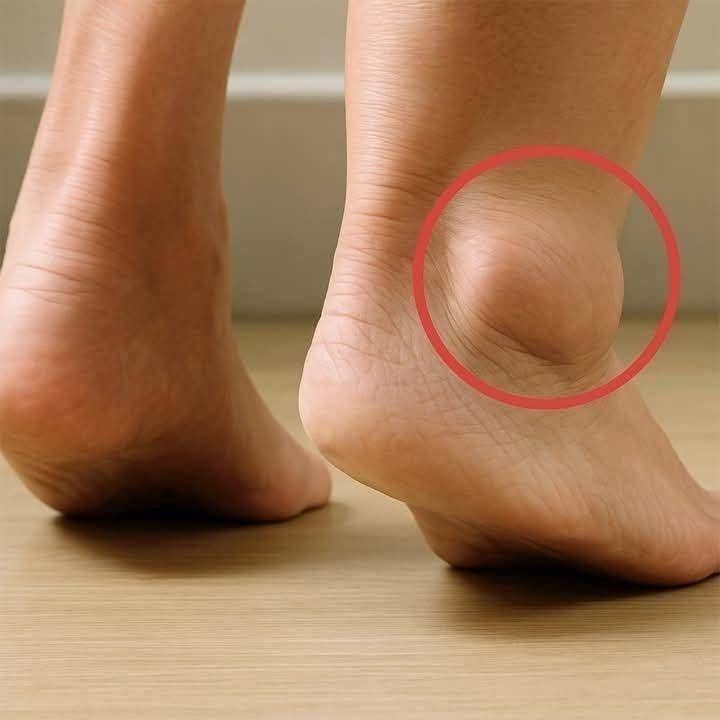
Sometimes edema reflects an underlying health concern.
Possible causes include:
- Chronic venous insufficiency
- Heart conditions
- Kidney disease
- Liver disease
- Lymphedema
- Certain infections
Additionally, some medications may contribute to swelling.
Examples include certain:
- Blood pressure medications
- Anti-inflammatory medications
- Hormonal treatments
Because multiple conditions can cause similar symptoms, persistent swelling should be evaluated by a healthcare professional.
Symptoms to Watch For
Common Signs of Edema
Edema often develops gradually.
People may notice:
- Shoes feeling tighter
- Socks leaving deep marks
- Reduced ankle definition
- Leg heaviness
- Mild discomfort
Symptoms can vary depending on the cause and severity.
Some individuals experience only cosmetic changes, while others develop more significant discomfort.
Warning Signs That Need Prompt Medical Attention
Although many cases are benign, certain symptoms require urgent evaluation.
Seek medical care promptly if swelling occurs alongside:
- Shortness of breath
- Chest pain
- Sudden swelling in one leg
- Redness and warmth
- Severe pain
- Fever
- Rapid onset swelling
These symptoms may indicate potentially serious conditions requiring immediate attention.
Natural Relief Methods
Improving Circulation
Simple lifestyle measures often help reduce mild swelling.
Consider:
- Walking regularly
- Changing positions frequently
- Avoiding prolonged sitting
- Performing ankle movements
- Stretching throughout the day
Movement encourages circulation and helps fluid return toward the heart.
Even short activity breaks can make a noticeable difference.
Elevation and Compression
Elevating the legs above heart level for periods during the day may help reduce fluid accumulation.
Compression socks may also assist some individuals by supporting circulation.
Additional strategies include:
- Staying hydrated
- Limiting excessive sodium intake
- Maintaining a healthy weight
- Wearing comfortable footwear
These approaches often provide relief when swelling results from lifestyle factors.
Lifestyle Habits That Support Healthy Legs
Nutrition and Hydration
Diet plays an important role in fluid balance.
Helpful habits include:
- Eating fruits and vegetables
- Choosing potassium-rich foods
- Drinking adequate water
- Limiting highly processed foods
Excess sodium may encourage water retention in some people.
Therefore, reducing heavily salted foods can sometimes improve symptoms.
Regular Physical Activity
Exercise supports healthy circulation and overall cardiovascular health.
Activities such as:
- Walking
- Swimming
- Cycling
- Gentle stretching
may help reduce swelling and improve comfort.
Consistency matters more than intensity.
Even modest amounts of movement can support fluid regulation.
Frequently Asked Questions
What is edema?
Edema is swelling caused by excess fluid accumulating in body tissues, often affecting the feet, ankles, and legs.
Is swelling always a sign of a serious problem?
No. Many cases result from temporary factors such as heat, prolonged standing, or inactivity. However, persistent or severe swelling should be evaluated.
Can dehydration cause swelling?
In some situations, dehydration may contribute to fluid regulation problems, making adequate hydration important.
Does walking help swollen feet?
Yes. Walking and other forms of movement often support circulation and help reduce mild swelling.
When should I see a doctor?
Consult a healthcare professional if swelling is persistent, worsening, painful, or accompanied by symptoms such as shortness of breath, chest pain, or sudden one-sided swelling.
Conclusion
Swollen Legs and Feet: Causes, Symptoms & Natural Relief Methods highlights an important reality: while swelling is often a temporary and harmless response to heat, inactivity, or prolonged standing, it can sometimes signal an underlying medical condition that deserves attention.
By understanding common causes, recognizing warning signs, and adopting supportive lifestyle habits, many people can manage mild swelling effectively. Most importantly, persistent or unexplained swelling should never be ignored. Listening to your body and seeking medical guidance when needed helps ensure that both comfort and health remain priorities.



Leave a Reply