
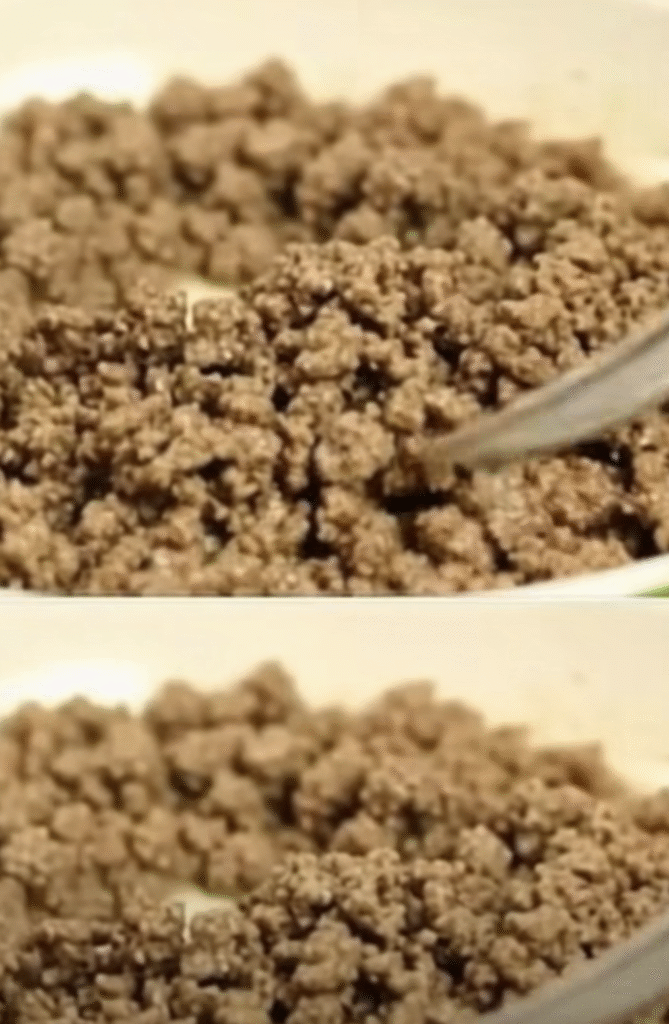
Should You Rinse Ground Beef is a question that comes up in home kitchens more often than you might think. Many cooks were taught to rinse meat as a habit, while others picked it up as a way to reduce fat or make meals feel lighter. However, this simple step can actually work against flavor, texture, and even good nutrition. Understanding what really happens when you rinse ground beef can help you cook better meals with more confidence.
I remember watching a family member stand over the sink, rinsing browned ground beef under hot water, convinced it made the dish healthier. The smell of seasoning disappeared instantly, and what was once juicy meat turned pale and crumbly. That moment stuck with me because the meal never tasted the same. Over time, I learned that most of what people try to fix by rinsing ground beef is better handled with smarter cooking methods.
Why People Rinse Ground Beef
The Belief That It Reduces Fat
Many people rinse ground beef because they believe water will wash away grease and make the meat healthier. This idea is especially common when using higher-fat blends like 80/20. While it seems logical, fat that clings to cooked meat is not easily removed by water alone. Instead, rinsing mostly strips away flavorful juices while leaving behind dry protein.
The Myth of “Cleaning” Meat
Another reason people rinse ground beef is the belief that it cleans the meat. This habit often comes from older food safety myths passed down through generations. However, raw meat does not become safer when rinsed. In fact, splashing water around raw beef can spread bacteria to sinks, countertops, and nearby foods.
What Actually Happens When You Rinse Ground Beef
Flavor Loss You Can Taste
Ground beef gets much of its flavor from natural juices released during cooking. When you rinse the meat, those juices are washed away. As a result, even well-seasoned beef can taste flat and bland. Once the flavor is gone, it cannot be added back easily.
Texture Takes a Hit
Rinsing ground beef changes its structure. Hot water tightens the protein strands, which makes the meat dry and crumbly. This texture is especially noticeable in dishes like tacos, sauces, or casseroles where beef should stay tender and juicy.
Food Safety Facts You Should Know
Cooking Is What Makes Beef Safe
Cooking ground beef to the proper temperature is what makes it safe to eat. Water does nothing to remove harmful bacteria that may be present. Heat, not rinsing, is the only reliable way to handle food safety with ground meat.
Cross-Contamination Risks
Rinsing ground beef in the sink increases the risk of spreading bacteria. Water droplets can splash onto utensils, cutting boards, and nearby surfaces. This creates more cleaning work and increases the chance of foodborne illness.
Equipment
- Skillet
- spoon
Ingredients
- 1 lb ground beef
Instructions
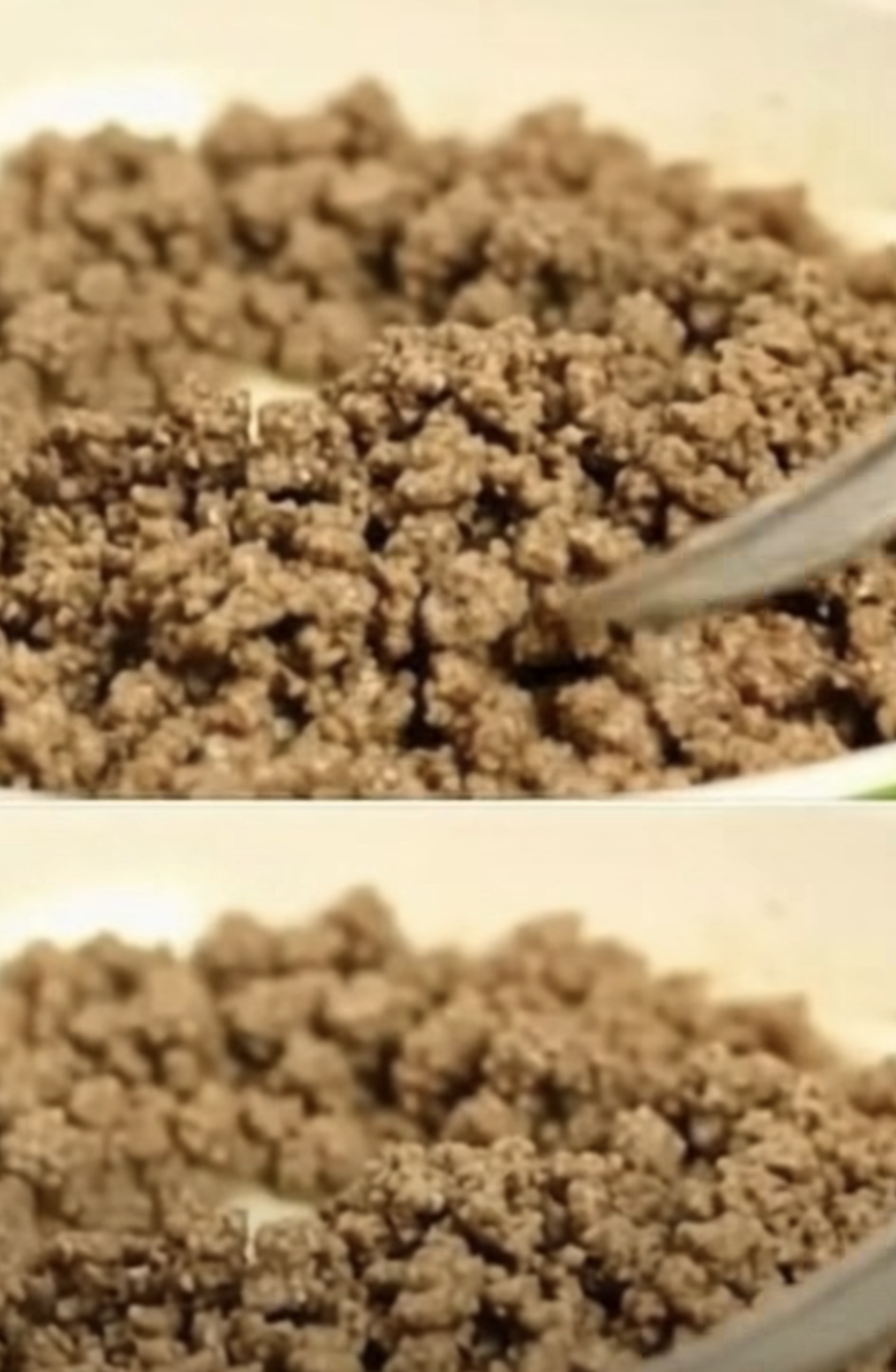
- Brown ground beef in a skillet over medium heat until fully cooked.
- Carefully drain excess fat from the pan using a spoon or by tilting the skillet.
- Season and use the cooked beef as directed in your recipe.
Notes
Nutrition
Nutrients You Lose by Rinsing
Water-Soluble Vitamins Matter
Ground beef contains important B vitamins that support energy and metabolism. These vitamins are water-soluble, which means they dissolve in water. When you rinse ground beef, some of these nutrients are washed away along with the flavor.
Protein Quality Suffers
Although protein remains, its texture and moisture are compromised. This affects how satisfying and enjoyable the final dish feels, even if the nutritional label looks similar.
Smarter Alternatives to Rinsing Ground Beef
Drain Instead of Rinse
After browning ground beef, simply spoon off excess fat or carefully pour it out of the pan. This method removes grease while keeping flavor intact. Tilting the pan and using a spoon gives you more control and less mess.
Choose Leaner Ground Beef
If grease is a concern, start with leaner options like 90/10 or 93/7 ground beef. These cuts release far less fat during cooking, making draining easier and preserving taste. Lean beef is especially helpful for weeknight meals where simplicity matters.
Cooking Techniques That Improve Results
Blot Gently If Needed
If you still want to remove a bit more fat, blot the cooked beef gently with paper towels. This method absorbs surface grease without stripping flavor or moisture. It works well for recipes that need a drier filling, such as stuffed peppers or wraps.
Season While Cooking
Seasoning ground beef as it cooks helps flavors absorb into the meat. This makes rinsing unnecessary and keeps the beef tasting rich and balanced. Garlic, onion, salt, and spices work best when added early.
When People Think Rinsing Helps Calories
The Calorie Misunderstanding
Some cooks rinse ground beef to lower calories. However, the calorie difference after rinsing is minimal. Meanwhile, the loss of flavor often leads people to add more cheese, sauce, or salt later, which defeats the purpose.
Better Calorie Control Methods
Portion control, lean beef, and balanced sides are far more effective ways to manage calories. These approaches keep meals satisfying without sacrificing taste or texture.
How Professional Kitchens Handle Ground Beef
Industry Standards
Professional kitchens never rinse ground beef. Instead, they focus on quality ingredients, proper cooking temperatures, and controlled fat removal. This approach ensures consistent flavor and safe food handling.
Home Cooking Can Match That Quality
By skipping rinsing and using proper techniques, home cooks can achieve restaurant-quality results. Small changes like draining fat properly make a noticeable difference.
FAQ
1. Is it ever okay to rinse ground beef?
No. Rinsing ground beef offers no safety benefit and reduces flavor, texture, and nutrients.
2. Does rinsing remove bacteria?
No. Only proper cooking temperatures make ground beef safe to eat.
3. What if my ground beef is very greasy?
Drain the fat after browning or use leaner ground beef next time.
4. Can rinsing affect recipes like tacos or sauces?
Yes. Rinsed beef often turns dry and bland, which affects the final dish.
5. What is the healthiest way to cook ground beef?
Use lean beef, cook thoroughly, drain excess fat, and season well.
Conclusion
Should You Rinse Ground Beef is an easy question to answer once you understand what really happens in the pan. Rinsing removes flavor, damages texture, and washes away nutrients without improving safety. Smarter methods like draining fat, choosing lean beef, and cooking properly give you better results every time. When it comes to ground beef, skipping the rinse is the simplest way to cook with more confidence and better flavor.




Leave a Reply