
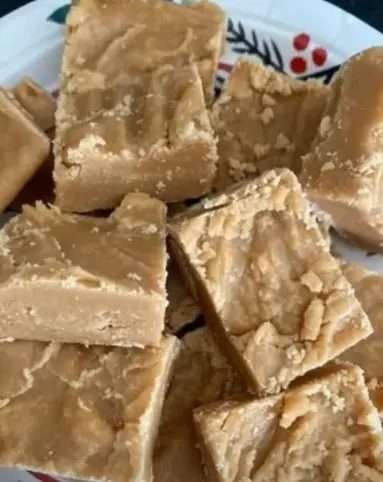
Scottish Tablet is one of those traditional sweets that feels both nostalgic and indulgent at the same time. This Scottish Tablet recipe delivers a rich, buttery confection with a firm yet crumbly texture that melts away as soon as it hits your tongue. Although it often gets compared to fudge, Scottish Tablet stands on its own with a drier bite and a sweet, crystalline finish that candy lovers adore.
Because Scottish Tablet uses simple pantry staples, it feels approachable even for beginners. At the same time, the process teaches patience and attention, which makes the final reward even sweeter. Whether you plan to wrap it as a homemade gift, serve it with afternoon tea, or keep a stash for cozy evenings, this Scottish Tablet recipe brings classic comfort with every bite.
A Short Personal Story Behind This Scottish Tablet Recipe
The first time I tasted Scottish Tablet, it came from a small tin passed around during a winter gathering. The pieces looked simple, almost plain, yet one bite told a completely different story. The texture felt dense but soft, while the flavor tasted deeply buttery and sweet without feeling heavy. Later, I learned how often this treat appeared at family celebrations, holidays, and bake sales, always cut into neat squares and shared generously. That memory stuck with me. Since then, making Scottish Tablet has become a calming ritual, especially on cold afternoons when the kitchen feels warm and familiar. Each batch brings back that same sense of comfort and tradition.
What Makes Scottish Tablet Different From Fudge
A Unique Texture You Can Feel Instantly
Scottish Tablet may look similar to fudge, yet the texture sets it apart right away. While fudge stays smooth and creamy, Scottish Tablet develops a slightly grainy, crumbly structure. This happens because the sugar crystallizes more during cooking and beating. As a result, each bite feels firm at first, then quickly melts down into a buttery sweetness.
Because of this structure, Scottish Tablet holds its shape beautifully. You can cut it into clean squares, stack it, and package it without worrying about smearing. That quality makes Scottish Tablet especially popular for gifting and sharing. Even though it feels solid, it never tastes hard or chewy.
Traditional Ingredients With Big Impact
Scottish Tablet relies on just a few ingredients: sugar, milk, condensed milk, and butter. Since there are no extra flavors competing for attention, each component matters. The butter adds richness, while the milk balances the sweetness. Meanwhile, the condensed milk brings depth and helps create that signature texture.
Because the ingredient list stays short, quality matters. Using fresh butter and full-fat dairy creates a more satisfying result. Even so, this Scottish Tablet recipe stays simple enough for first-time candy makers. With careful stirring and timing, those basic ingredients transform into something truly special.
Equipment
- Deep saucepan
- wooden spoon or spatula
- Hand Mixer
Ingredients
- 4.5 cups granulated white sugar
- 1 cup whole milk
- 14 oz sweetened condensed milk
- 6 tablespoons salted butter
Instructions
- Grease and line a 9×13-inch pan with parchment paper.
- Combine sugar, milk, and butter and heat gently until the butter melts and sugar begins to dissolve.
- Transfer to a deep saucepan, add condensed milk, and bring to a gentle boil while stirring frequently.
- Simmer for 15–20 minutes until thickened and at soft-ball stage.
- Remove from heat and beat until slightly thickened and dull.
- Pour into the prepared pan, score after 10 minutes, and allow to set fully before cutting.
Notes
Nutrition
Ingredients and Tools You Will Need
Simple Pantry Ingredients for Scottish Tablet
One of the best things about Scottish Tablet is how accessible the ingredients feel. You do not need specialty items or hard-to-find tools. Instead, this recipe uses familiar staples that work together perfectly.
You will need granulated white sugar, whole milk, sweetened condensed milk, and salted butter. Optionally, you can add vanilla extract or a splash of whiskey for warmth and depth. Although these additions are not traditional, they complement the sweetness nicely when used sparingly.
Because sugar plays such a large role, accurate measuring matters. Therefore, take a moment to level your cups and prepare everything before you start cooking. That small step helps the process feel smooth and controlled.
Essential Equipment for Best Results
Although the ingredient list stays short, the equipment does matter. A deep saucepan or stockpot gives the mixture room to bubble without spilling over. Since the mixture expands as it boils, depth prevents mess and stress.
A sturdy wooden spoon or heat-resistant spatula helps with constant stirring. Additionally, a hand mixer makes the beating stage much easier and faster. If you prefer, you can beat by hand, but expect a longer workout.
Finally, prepare a lined baking pan before you begin. Once the mixture reaches the right stage, you need to pour it quickly. Having everything ready keeps the process calm and enjoyable.
Step-by-Step Scottish Tablet Cooking Process
Cooking the Sugar Mixture Correctly
Start by combining the sugar, whole milk, and butter. You can melt and dissolve these ingredients gently before adding the condensed milk. This step ensures the sugar begins dissolving evenly, which helps prevent burning later.
Once everything moves into the saucepan, heat the mixture over medium heat. Stir constantly as it comes to a boil. At this stage, patience matters. Rushing the heat can scorch the sugar and ruin the flavor. Instead, allow the mixture to bubble steadily.
As it cooks, the color deepens slightly, and the mixture thickens. If you use a thermometer, aim for the soft-ball stage. If not, the cold-water test works well. This moment defines the final texture, so stay attentive and calm.
Beating and Setting for the Perfect Finish
After removing the pan from heat, the beating stage begins. This step encourages sugar crystals to form, which gives Scottish Tablet its signature crumbly bite. Beat until the mixture thickens slightly and loses some of its shine.
Because timing matters here, watch for visual cues. When the mixture starts holding faint trails as you stir, it is ready. Pour it immediately into your prepared pan and smooth the top gently.
Score the surface after a few minutes, while the tablet remains warm but not liquid. Then let it rest undisturbed. As it cools, it firms up beautifully, turning into classic Scottish Tablet ready to slice and enjoy.
Tips, Variations, and Storage Advice
Helpful Tips for Consistent Results
Although Scottish Tablet feels simple, a few tips make a big difference. First, always stir frequently during cooking. This habit prevents sticking and ensures even heat distribution. Second, use a deep pan to avoid overflow.
Additionally, avoid overbeating. While beating creates texture, too much can cause the mixture to set too quickly. Therefore, stop as soon as you see a duller appearance and thicker flow.
If the tablet turns out slightly soft, store it uncovered for a short time. Exposure to air helps it firm up naturally without affecting flavor.
Flavor Variations and Storage Options
While classic Scottish Tablet tastes perfect on its own, small variations can add interest. A touch of vanilla enhances warmth, while a hint of whiskey adds subtle complexity. Always add these off the heat to preserve flavor.
For storage, keep Scottish Tablet in an airtight container at room temperature. It stays fresh for up to two weeks. Because it does not require refrigeration, it travels well and makes an excellent homemade gift.
If you prefer longer storage, wrap pieces individually and freeze them. Thaw at room temperature before serving, and the texture will remain satisfying.
Frequently Asked Questions About Scottish Tablet
What is the difference between Scottish Tablet and fudge?
Scottish Tablet has a firmer, crumbly texture due to greater sugar crystallization, while fudge stays creamy and smooth.
Do I need a candy thermometer for Scottish Tablet?
No, although it helps. The cold-water soft-ball test works just as well.
Why did my Scottish Tablet turn grainy?
Graininess usually means over-crystallization, often from overbeating or uneven heating.
Can I make Scottish Tablet without condensed milk?
Traditional recipes use condensed milk for richness and texture, so skipping it changes the result significantly.
How long does Scottish Tablet take to set?
It usually sets within 2 to 4 hours, although overnight resting works best.
Conclusion: Why This Scottish Tablet Recipe Always Delivers
Scottish Tablet proves that simple ingredients can create unforgettable results. With patience, careful stirring, and attention to texture, this Scottish Tablet recipe delivers a sweet that feels both comforting and special. Whether you enjoy it with tea, share it with friends, or wrap it as a gift, Scottish Tablet brings a taste of tradition into any kitchen. Once you try it, this recipe quickly earns a permanent place in your dessert rotation.

Leave a Reply