
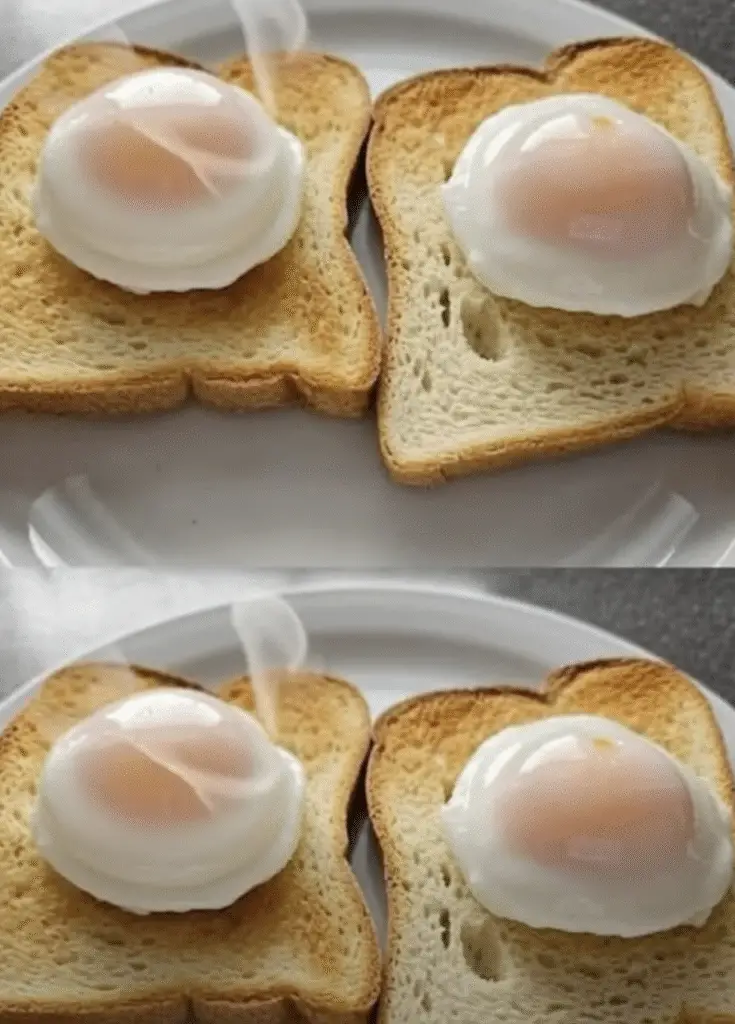
Perfect Poached Eggs are one of those kitchen skills that feel fancy but rely on simple technique rather than complicated tools. When done right, the whites turn silky and tender while the yolk stays rich, warm, and beautifully runny. Because Perfect Poached Eggs require only water, eggs, and gentle heat, they prove that great cooking often comes down to timing and confidence rather than ingredients.
Once you master Perfect Poached Eggs, they open the door to countless meals. From breakfast to dinner, they elevate toast, salads, bowls, and vegetables with almost no effort. This guide walks you through the process step by step so you can get consistent results every time.
A short personal story
Perfect Poached Eggs used to intimidate me more than any other basic cooking task. I remember breaking whites into boiling water and watching them scatter, convinced poaching was only for professionals. One quiet morning, I slowed everything down, lowered the heat, and paid attention to timing instead of rushing. The egg came out smooth and intact, with a golden yolk that spilled perfectly when cut. From that point on, Perfect Poached Eggs became part of my regular routine rather than something I avoided.
Why Perfect Poached Eggs Are Worth Learning
Simple ingredients, refined results
Perfect Poached Eggs rely on fresh eggs and controlled heat. Because there is no shell protecting the egg, the cooking method matters more than the ingredients.
Gentle water allows the whites to set gradually instead of breaking apart. This approach creates a clean shape and tender texture that defines Perfect Poached Eggs.
Texture you cannot fake
Unlike fried or scrambled eggs, poached eggs deliver contrast. The whites feel delicate yet structured, while the yolk stays fluid and rich.
That balance makes Perfect Poached Eggs ideal for pairing with bread, vegetables, or grains. The yolk becomes a natural sauce that ties everything together.
Ingredients and Tools That Matter
Choosing the right eggs
Fresh eggs matter most. Fresher whites stay tighter and cling to the yolk instead of spreading through the water.
Even if your eggs are not brand new, careful handling still produces good results. The key is gentle movement and proper temperature.
Water, vinegar, and pan choice
A wide, shallow pan works best because it gives the egg space without deep turbulence. About three inches of water allows even cooking.
Vinegar remains optional, but it helps whites set faster. Used lightly, it does not affect flavor and supports cleaner shapes for Perfect Poached Eggs.
Step-by-Step Method for Perfect Poached Eggs
Heating the water correctly
Bring the water just below a simmer. Tiny bubbles should appear on the bottom of the pan, not breaking the surface aggressively.
Too much heat causes whites to scatter. Gentle heat supports smooth cooking and better structure for Perfect Poached Eggs.
Cracking and sliding the egg
Crack the egg into a small bowl first. This step gives you control and prevents shells from entering the water.
Slide the egg gently into the center of the pan. If using a swirl, keep it light so the water moves without splashing.
Equipment
- Wide shallow pan
- Slotted Spoon
- small bowl
Ingredients
- 1 large fresh egg
- 3 inches water
- 1-2 teaspoons vinegar (optional)
- pinch salt (optional)
Instructions
- Heat water in a wide pan until just below a simmer.
- Create a gentle swirl and slide in the cracked egg.
- Cook for 2–4 minutes depending on desired yolk doneness.
- Remove with a slotted spoon and drain briefly before serving.
Notes
Nutrition
Timing the Cook for Your Ideal Yolk
Understanding doneness levels
Two minutes produces a very soft yolk with barely set whites. Three minutes gives a classic runny center with firmer whites.
Four minutes creates a slightly thicker yolk while maintaining moisture. Adjust timing based on preference and egg size.
Removing and draining
Lift the egg with a slotted spoon. Let excess water drain briefly.
Blotting gently prevents watery plates and keeps Perfect Poached Eggs neat and attractive when served.
Serving Ideas That Make Them Shine
Breakfast and brunch favorites
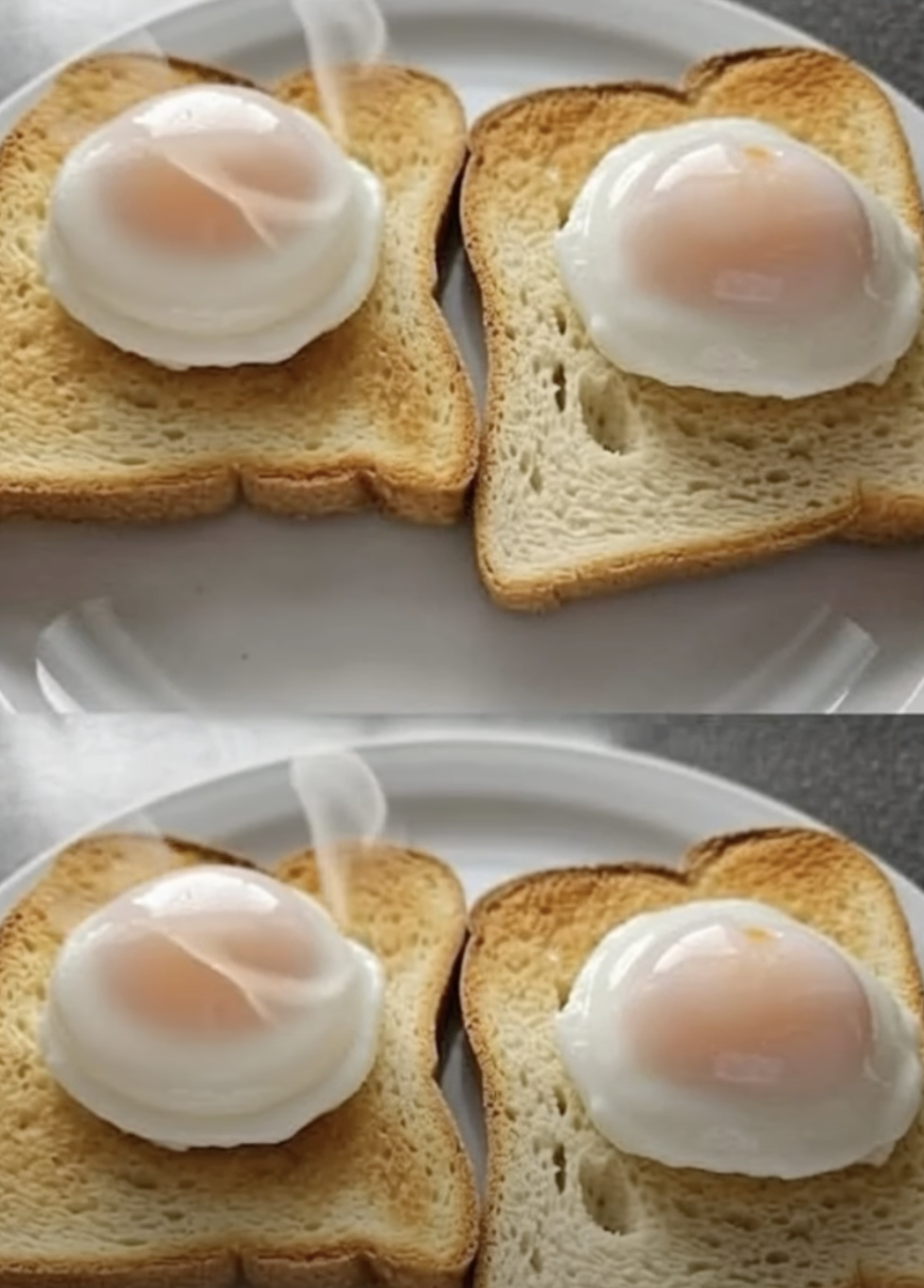
Serve Perfect Poached Eggs on toast, English muffins, or avocado. They also anchor classic Eggs Benedict beautifully.
Because the yolk flows easily, it replaces butter or sauce with natural richness.
Lunch and dinner uses
Add Perfect Poached Eggs to salads, grain bowls, or roasted vegetables. They turn simple dishes into complete meals.
The eggs add protein, warmth, and visual appeal with almost no extra prep.
Common Mistakes and How to Avoid Them
Boiling instead of simmering
Boiling water breaks egg whites apart. Always keep the heat gentle.
If bubbles rise aggressively, lower the temperature immediately.
Cooking too many eggs at once
Poach one egg at a time until confident. Crowding lowers water temperature and reduces control.
Once comfortable, you can cook two eggs in a larger pan, spacing them well.
Frequently Asked Questions
1. Do I need vinegar to poach eggs?
No, but it helps whites set faster, especially with less fresh eggs.
2. Can I poach eggs ahead of time?
Yes. Store in cold water and reheat briefly in hot water before serving.
3. Why are my whites wispy?
The eggs may not be fresh, or the water may be too hot.
4. Can I salt the water?
It is optional. Salt can slightly weaken whites, so add after cooking.
5. What pan works best?
A wide, shallow pan gives the most control.
Conclusion
Perfect Poached Eggs turn a basic ingredient into something elegant and versatile. With gentle heat, careful timing, and simple technique, you can achieve silky whites and golden yolks every time. Once mastered, Perfect Poached Eggs become one of the most useful and satisfying skills in the kitchen.




Leave a Reply