
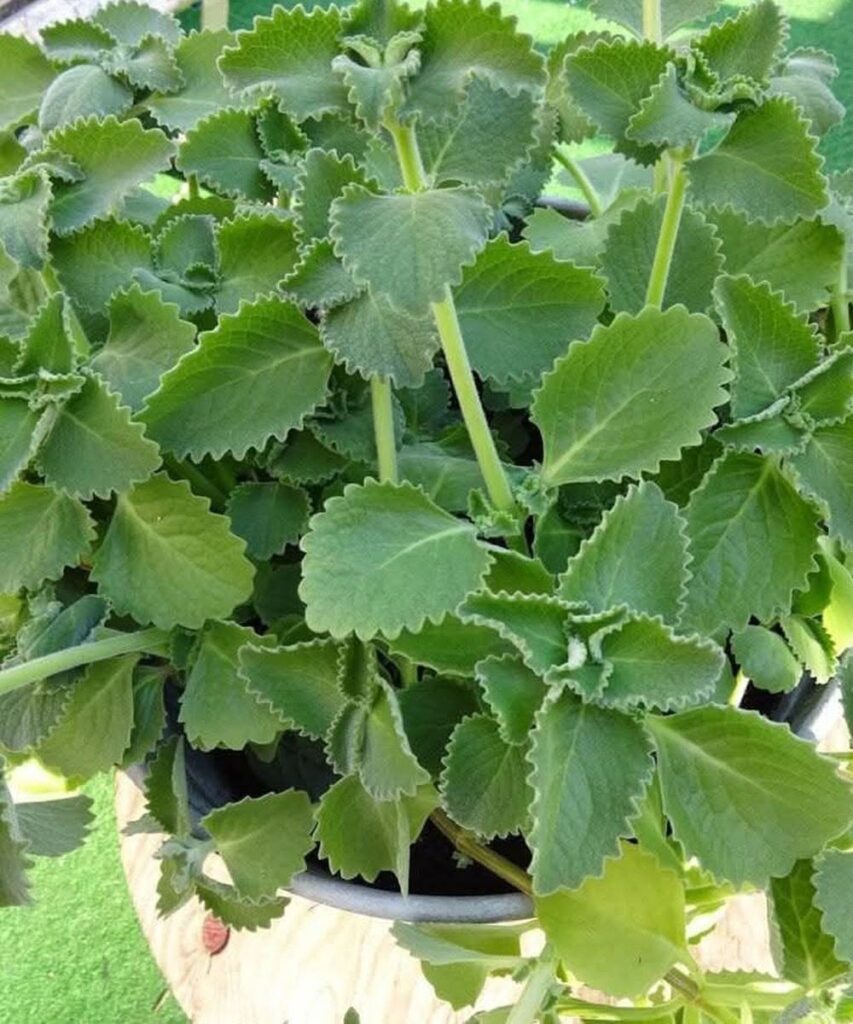
Carvacrol
Carvacrol is a phenolic compound responsible for many of oregano’s antimicrobial properties. Laboratory studies have shown that it can damage bacterial cell membranes and interfere with the growth of certain microorganisms.
Researchers have also observed antioxidant and anti-inflammatory effects in animal studies.
Thymol
Thymol is another phenolic compound found in oregano. It possesses antifungal and antioxidant properties and is commonly used in some mouthwashes, throat lozenges, and oral health products.
While these compounds appear promising, the amount present in everyday culinary oregano differs dramatically from concentrated oregano oil.
Why Concentration Matters
Dried oregano used in cooking generally contains around 1-5% carvacrol.
Oregano essential oil may contain 60-80% carvacrol.
That difference is enormous.
As a result, findings from studies using concentrated extracts cannot automatically be applied to people simply sprinkling oregano on pizza, pasta, or salads.
Antioxidant Benefits: Real but Often Misunderstood
One of oregano’s most frequently cited strengths is its antioxidant content.
High Antioxidant Activity in Laboratory Tests
Researchers often measure antioxidant activity using methods such as ORAC (Oxygen Radical Absorbance Capacity).
Oregano consistently scores very high compared with many fruits and vegetables when measured by weight.
These findings indicate that oregano contains compounds capable of neutralizing free radicals under laboratory conditions.
The Human Reality
A common mistake is assuming that a high antioxidant score automatically translates into major health benefits.
Human biology is much more complicated.
The body digests, absorbs, metabolizes, and eliminates compounds differently than laboratory experiments predict. Many substances that perform exceptionally well in test tubes do not produce the same effects in real-world human health outcomes.
In practical terms, people consume oregano in relatively small amounts. Most recipes use a teaspoon or two rather than the large quantities often required to replicate laboratory conditions.
A Reasonable Conclusion
Oregano can contribute antioxidants to a balanced diet.
However, no evidence suggests that consuming oregano alone dramatically reduces disease risk or reverses chronic health conditions.
Its value lies in supporting an overall plant-rich dietary pattern rather than acting as a standalone health solution.
Antimicrobial Effects: Promising Research but Not a Medical Substitute
Another major reason oregano receives attention is its antimicrobial activity.
What Laboratory Studies Show
Research has demonstrated that carvacrol can inhibit the growth of various bacteria in laboratory environments.
Some studies have even shown effects against bacteria that exhibit resistance to certain antibiotics.
Scientists find these results intriguing because they may inspire future therapeutic developments.
The Gap Between Lab and Human Treatment
Many compounds perform well in petri dishes but fail to become effective medicines.
Human bodies are complex systems involving absorption, metabolism, immune responses, and interactions among organs and tissues.
Currently, there is no strong clinical evidence showing that oregano oil can reliably cure bacterial infections in humans.
Why Replacing Antibiotics Is Risky
One of the most concerning myths online is the suggestion that oregano oil can replace prescribed antibiotics.
Serious infections such as:
- Pneumonia
- Kidney infections
- Bloodstream infections
- Severe urinary tract infections
require professional medical care.
Delaying treatment while relying solely on herbal remedies can lead to dangerous complications.
Potential Topical Applications
Some limited evidence suggests diluted oregano oil may support skin health or help manage certain minor fungal concerns.
However, concentrated oregano oil can irritate the skin and mucous membranes.
Anyone considering its use should consult a healthcare professional first.
Anti-Inflammatory Properties: Interesting but Not Definitive
Inflammation plays a role in many chronic diseases, making anti-inflammatory compounds an important area of scientific investigation.
Evidence from Animal Research
Animal studies have demonstrated that carvacrol may reduce levels of inflammatory markers such as:
- TNF-alpha
- IL-6
- Other signaling molecules involved in inflammation
These findings suggest that oregano compounds may influence inflammatory pathways.
Human Research Remains Limited
When researchers examine dietary oregano consumption in human populations, the results become less dramatic.
Most studies show either modest effects or no significant measurable reductions in inflammatory markers.
This discrepancy highlights a common challenge in nutrition science: what works in animals or isolated cells does not always produce identical results in people.
The Bigger Picture
Oregano likely contributes to the benefits associated with Mediterranean-style eating patterns.
Such diets emphasize:
- Vegetables
- Fruits
- Herbs
- Olive oil
- Whole grains
- Legumes
Together, these foods support overall health and may help reduce chronic inflammation.
Oregano is one piece of that larger puzzle rather than a targeted anti-inflammatory treatment.
Antiviral Claims: The Evidence Is Not There Yet
Since viral illnesses remain a major public health concern, many people seek natural substances that might provide protection.
Laboratory Findings
Some laboratory studies suggest that oregano compounds may interfere with the activity of certain viruses under controlled conditions.
Researchers continue exploring these possibilities.
Lack of Human Clinical Evidence
Despite encouraging laboratory observations, there is currently no strong evidence that oregano or oregano oil prevents, treats, or cures viral infections in humans.
This distinction is crucial.
Laboratory findings serve as a starting point for future investigation rather than proof of effectiveness.
Why Caution Matters
Health claims often spread faster than scientific evidence.
As a result, people may mistakenly assume that promising preliminary research guarantees real-world benefits.
Responsible interpretation requires acknowledging both the potential and the limitations of existing studies.
Safety Considerations
Natural does not automatically mean harmless.
Culinary Oregano
Using oregano in food is generally considered safe for most people.
It enhances flavor while contributing beneficial plant compounds.
Oregano Oil
Concentrated oregano oil deserves more caution.
Potential side effects may include:
- Digestive irritation
- Burning sensations
- Allergic reactions
- Skin irritation when applied topically
Excessive use may also interact with certain medications.
Pregnant individuals, children, and people with medical conditions should seek professional guidance before using concentrated supplements.
The Bottom Line
Oregano is a valuable culinary herb with genuine scientific interest behind it.
Research supports its antioxidant capacity and demonstrates antimicrobial and anti-inflammatory activity in laboratory settings. Scientists continue studying its compounds to better understand their potential applications.
At the same time, current evidence does not support many of the dramatic claims commonly seen online.
Oregano oil is not a cure for infections. It is not a proven antiviral treatment. It is not a replacement for prescribed medication.
The most evidence-based approach is simple: enjoy oregano as part of a healthy, balanced diet while maintaining realistic expectations about what it can and cannot do.
In wellness, the truth is often less sensational than the headlines-but far more useful.



Leave a Reply