
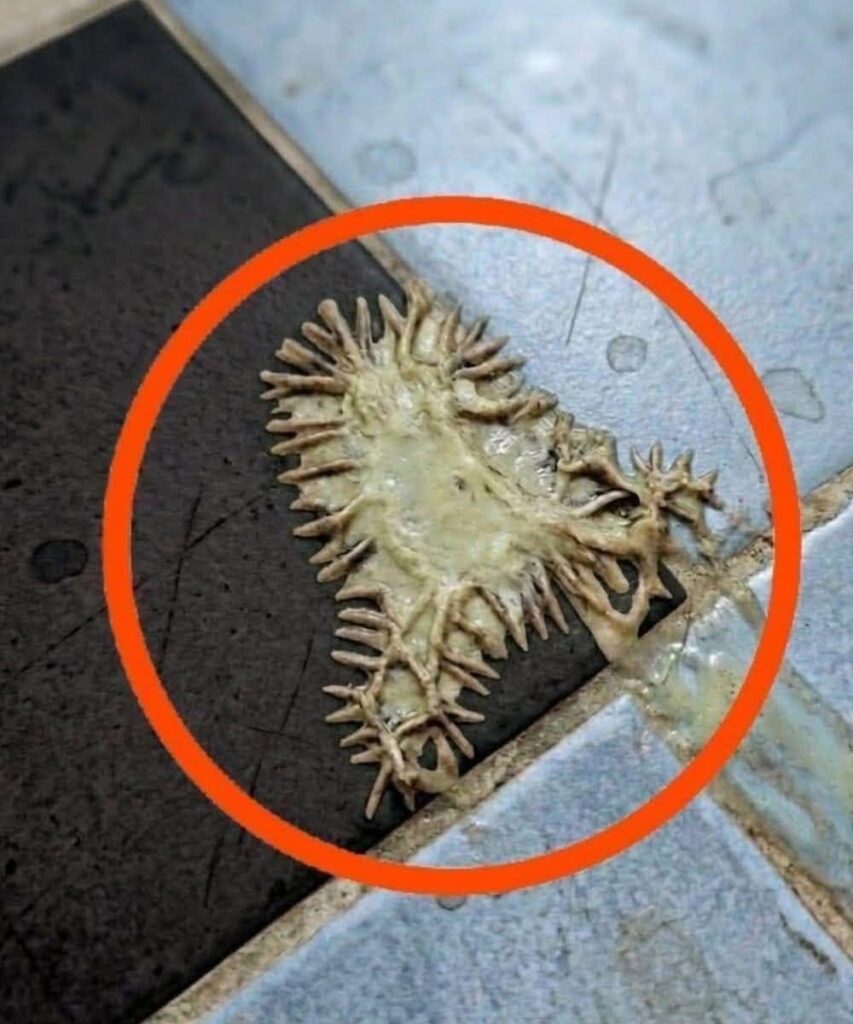
What Does Slime Mold Look Like?
Slime molds vary dramatically in appearance.
They may resemble:
- Gelatinous blobs
- Foamy patches
- Sponge-like masses
- Thin crusts
- Brightly colored spots
Common colors include:
- White
- Yellow
- Gray
- Cream
- Pink
- Orange
Their appearance often changes quickly as they mature.
Is Slime Mold Dangerous?
In most cases, no.
Slime mold is generally considered harmless to healthy individuals.
Unlike some household molds, slime molds do not typically:
- Damage structures
- Produce significant toxins
- Invade building materials
However, any unknown biological growth should be handled carefully.
People Who Should Be Cautious
Individuals with:
- Severe allergies
- Asthma
- Compromised immune systems
may wish to avoid direct exposure to spores or airborne particles.
How to Clean It Safely
Removing slime mold is usually straightforward.
Step 1: Wear Gloves
Disposable gloves help avoid direct contact.
Step 2: Remove the Growth
Use paper towels or disposable cloths to collect the material.
Step 3: Clean the Area
Wash the surface with:
- Soap and water
- Household disinfectant
- Diluted cleaning solutions appropriate for the surface
Step 4: Dry Thoroughly
Eliminating excess moisture is the most important part of prevention.
Step 5: Dispose of Cleaning Materials
Place contaminated materials in a sealed trash bag.
How to Prevent It From Returning
The real solution isn’t simply cleaning the blob-it’s addressing the conditions that allowed it to grow.
Improve Ventilation
Run the exhaust fan:
- During showers
- For 20-30 minutes afterward
If no fan exists, open windows when possible.
Reduce Moisture
Wipe down:
- Shower walls
- Glass doors
- Counters
after use.
Repair Leaks
Check for:
- Dripping faucets
- Leaking pipes
- Water accumulation around fixtures
Clean Regularly
Removing dust and organic debris reduces available food sources.
Could It Be Something Else?
Not every mysterious bathroom blob is slime mold.
Other possibilities include:
Biofilm
A slimy buildup of bacteria that commonly develops in wet environments.
Mold or Mildew
True fungi often appear as fuzzy, powdery, or patchy growths.
Plumbing Residue
Occasionally, material emerging from drains can resemble biological growth.
Sealant or Caulk Breakdown
Old bathroom materials sometimes soften or deteriorate in unusual ways.
If the substance repeatedly returns despite cleaning, further investigation may be worthwhile.
The Fascinating Science of Slime Molds
One reason slime molds capture scientific interest is their surprising behavior.
Despite lacking:
- A brain
- A nervous system
- Traditional organs
some slime molds can:
- Navigate complex environments
- Locate food sources efficiently
- Form networks that resemble transportation systems
Researchers study them to better understand biological problem-solving and network optimization.
When to Seek Professional Help
Most slime mold encounters can be handled independently.
However, consider consulting a professional if:
- Growth is extensive
- Moisture problems persist
- There is evidence of hidden water damage
- Strong odors accompany the growth
- Household members experience respiratory symptoms
Persistent moisture issues can sometimes signal larger plumbing or structural concerns.
Don’t Panic
The appearance of a mysterious blob often triggers understandable concern because it seems to appear suddenly and without explanation.
In reality, these organisms typically develop quietly in environments where:
- Moisture is abundant
- Airflow is limited
- Organic material accumulates
Their sudden visibility often reflects rapid growth rather than a sudden invasion.
Final Thoughts
That strange gelatinous blob in your bathroom is likely far less sinister than it appears. In many cases, it’s a slime mold-a fascinating organism that thrives in damp conditions and feeds on microscopic organic matter. While its appearance may be unsettling, it is usually harmless and relatively easy to remove.
More importantly, its presence serves as a reminder that moisture control is essential for maintaining a healthy home. Better ventilation, regular cleaning, and prompt attention to leaks can help ensure that this unusual visitor doesn’t make a return appearance.



Leave a Reply