
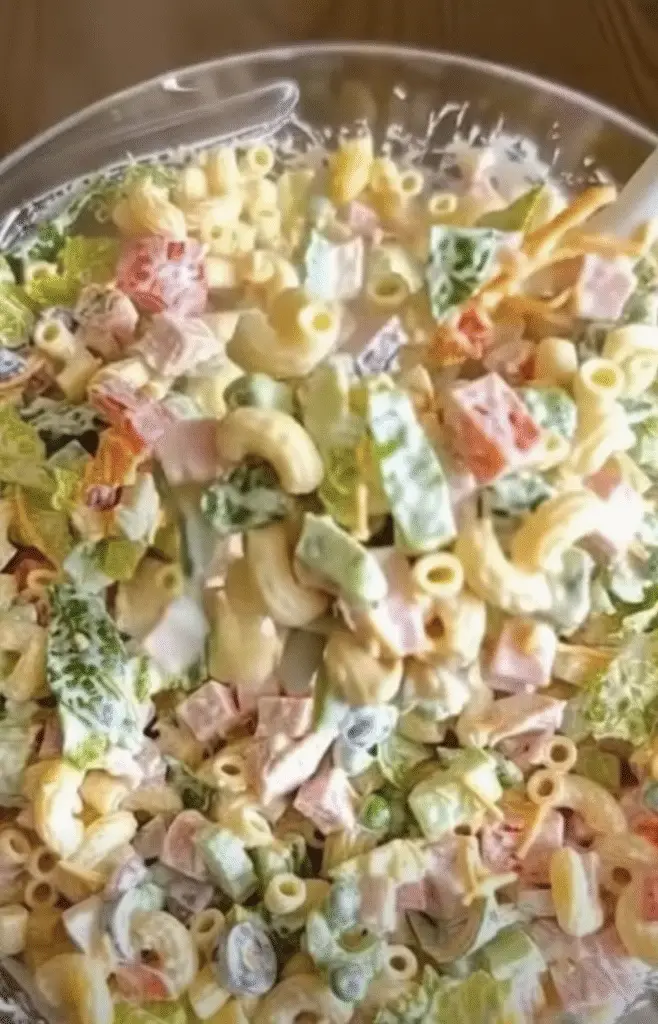
Layered Pasta Salad is one of those dependable dishes that saves time while still looking impressive on the table. It combines simple ingredients, bold colors, and practical layering to create a salad that holds up beautifully for parties, potlucks, and busy days. Because the dressing stays on top until serving, the pasta and vegetables remain fresh, firm, and full of texture. This approach makes it ideal for feeding a crowd without stress.
The first time I made a layered pasta salad was for a last-minute family barbecue. I needed something quick, affordable, and easy to transport. I layered what I had on hand in a clear bowl and hoped for the best. By the time dinner rolled around, the salad not only tasted better than expected, but everyone asked for the recipe. Since then, it has become my go-to dish for events where I want something reliable that still feels thoughtful and homemade.
Choosing Ingredients That Hold Their Shape
Picking the Best Pasta
The foundation of a layered pasta salad starts with the right pasta shape. Short, sturdy pasta like rotini or penne works best because it holds dressing well and does not collapse after chilling. Cooking the pasta just until tender is important. Overcooked pasta becomes mushy once chilled, while properly cooked pasta stays firm and pleasant to eat.
After cooking, rinsing the pasta under cold water stops the cooking process and cools it quickly. This step also removes excess starch, which helps prevent clumping. Allow the pasta to drain completely before layering to avoid excess moisture in the bowl.
Vegetables That Stay Fresh
Vegetables add color, crunch, and freshness to layered pasta salad. Cherry tomatoes, cucumbers, bell peppers, and red onions are excellent choices because they hold their texture even after chilling. Cutting vegetables into uniform pieces helps the layers look neat and makes serving easier.
It also helps to place vegetables between pasta layers rather than directly under the dressing. This placement prevents them from releasing too much moisture into the pasta and keeps the overall salad balanced.
Building Flavor with Protein and Cheese
Choosing the Right Meat
Protein makes layered pasta salad filling enough to serve as a main dish or hearty side. Cooked turkey, ham, or grilled chicken all work well because they are mild and pair easily with creamy dressings. Cutting the meat into bite-sized pieces ensures even distribution throughout the salad.
Using leftover meat is also a smart way to reduce waste. As long as it is well-seasoned and fully cooked, it blends seamlessly into the layers without overpowering the other ingredients.
Selecting Cheese for Texture and Taste
Cheese adds richness and ties the layers together. Shredded cheddar, mozzarella, or a blend works best because it spreads evenly and melts slightly once the salad sits. Firmer cheeses hold their shape better than soft cheeses, especially during chilling.
Adding cheese above the meat layer helps protect it from moisture and adds a creamy contrast to the vegetables below. This layering choice also makes the salad visually appealing when viewed through a clear bowl.
Equipment
- large pot
- Clear serving bowl
Ingredients
- 12 oz cooked pasta, cooled
- 1 cup cherry tomatoes, halved
- 1 cup chopped cucumber or bell pepper
- 1/2 cup red onion, thinly sliced
- 1.5 cups cooked turkey, ham, or grilled chicken
- 1 cup shredded cheese
- 1 cup creamy dressing
Instructions
- Cook pasta until tender, rinse with cold water, and drain well.
- In a clear bowl, layer pasta followed by vegetables, meat, and cheese.
- Spread dressing evenly over the top layer.
- Repeat layers if bowl allows.
- Cover and chill for 2–4 hours before serving. Toss gently before serving.
Notes
Nutrition
Layering Technique for the Best Results
Creating Clean, Defined Layers
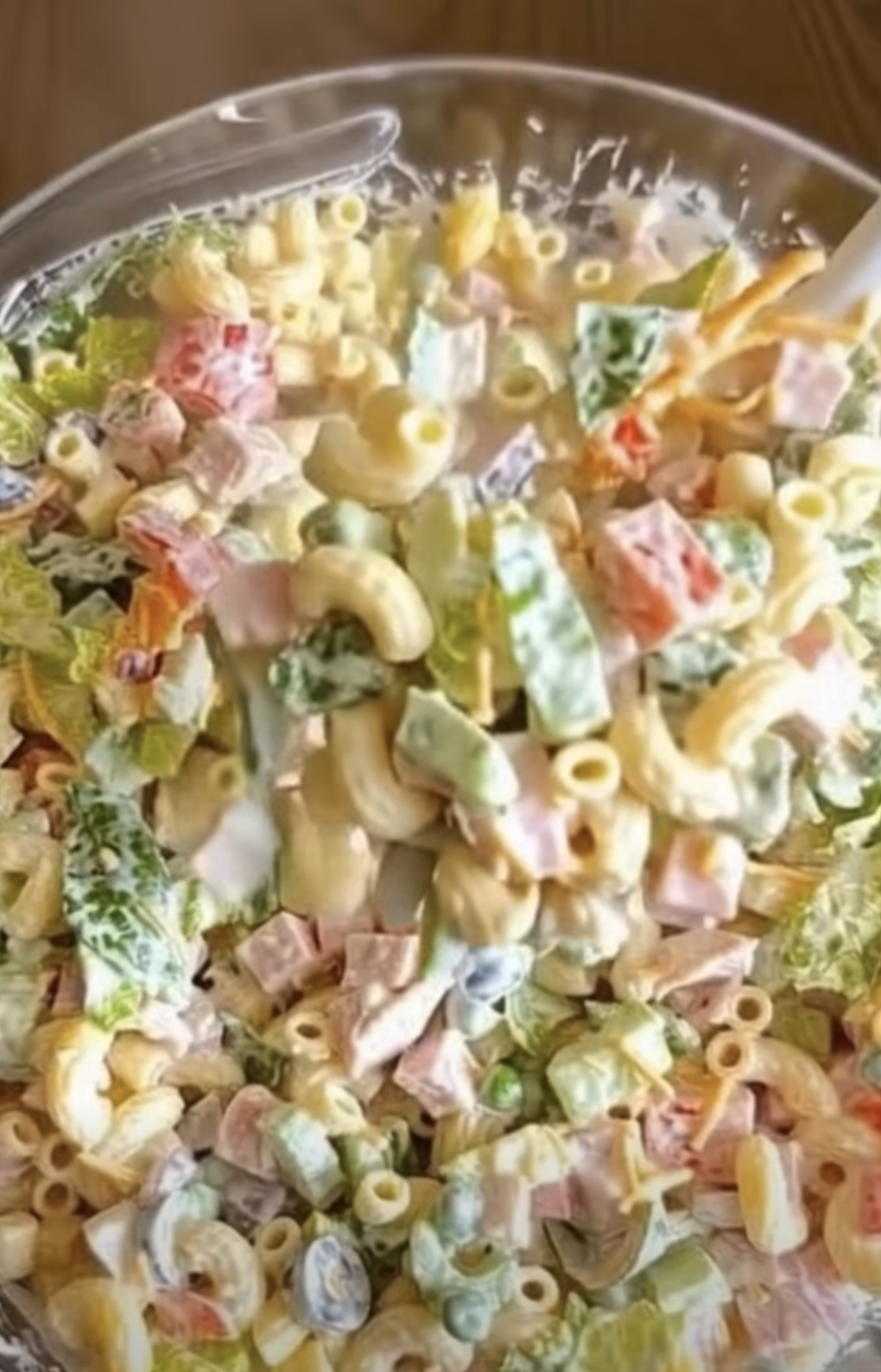
The beauty of layered pasta salad comes from its presentation. Using a clear glass bowl allows each layer to show through, making the dish look intentional and vibrant. Start with a thick layer of pasta at the bottom, followed by vegetables, meat, and cheese.
Once the first round of layers is complete, you can repeat them if your bowl allows. Repeating layers ensures that every serving contains a balanced mix of ingredients. It also makes the salad easier to toss just before serving.
Dressing on Top for Freshness
Spreading the dressing evenly over the top layer is the key to preventing soggy salad. Whether you use a creamy Italian-style dressing or ranch, keeping it on top allows the flavors to slowly work their way down as the salad chills.
This method keeps the pasta firm and the vegetables crisp until it is time to serve. Just before serving, gently toss the salad so the dressing coats everything evenly without breaking the layers down too much.
Make-Ahead Tips and Storage
Chilling for Best Flavor
Layered pasta salad benefits from time in the refrigerator. Chilling for at least two hours allows flavors to blend while keeping textures intact. Many people find that it tastes even better the next day, making it ideal for advance preparation.
Cover the bowl tightly with plastic wrap or a lid to prevent the salad from absorbing refrigerator odors. Keeping it sealed also helps maintain moisture balance within the layers.
Storing Leftovers Safely
Leftover layered pasta salad can be stored in the refrigerator for up to three days. After the first serving, the layers will be mixed, but the flavor remains excellent. Stir gently before serving again to redistribute dressing and ingredients.
If the salad seems dry after storage, adding a small amount of extra dressing can refresh it without overpowering the original flavors.
Why Layered Pasta Salad Works for Any Occasion
Practical and Budget-Friendly
This dish feeds a crowd without expensive ingredients. Pasta, vegetables, and small amounts of meat stretch easily, making it a cost-effective option for gatherings. Because it uses simple ingredients, it adapts well to what you already have on hand.
The ability to prepare it ahead of time also saves effort on the day of the event. That convenience makes it especially appealing for busy schedules and large groups.
Customizable for Any Taste
Layered pasta salad is endlessly adaptable. You can swap vegetables based on season, change proteins to suit preferences, or use different dressings for variety. This flexibility allows the same basic recipe to feel new each time.
Because the flavors are mild and balanced, it appeals to a wide range of tastes. That reliability makes it a favorite for potlucks, picnics, and family meals alike.
FAQ
1. Can layered pasta salad be made the night before?
Yes, it is ideal for making ahead and often tastes better after chilling overnight.
2. What pasta works best for this salad?
Rotini or penne work best because they hold their shape and texture well.
3. Can I make it without meat?
Yes, you can skip the meat or replace it with beans or extra vegetables.
4. How do I keep it from drying out?
Keep the dressing on top until serving and store it tightly covered.
5. Is this salad good for outdoor events?
Yes, but keep it chilled until serving for food safety and best texture.
Conclusion
Layered Pasta Salad is a dependable, crowd-pleasing dish that combines convenience, flavor, and presentation. Its make-ahead design keeps ingredients fresh, while the customizable layers make it suitable for almost any occasion. Whether you are hosting a barbecue, attending a potluck, or planning meals in advance, this salad delivers consistent results with minimal effort.

Leave a Reply