
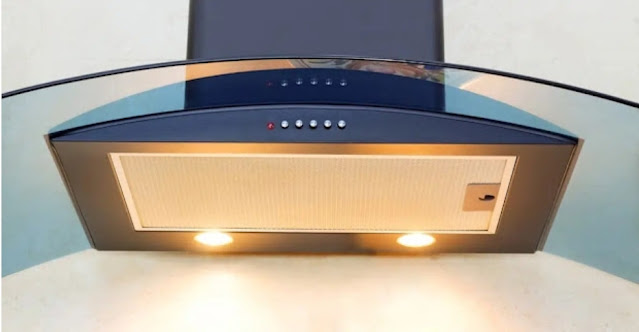
Many people use their kitchen range hood lights for more than cooking. Some leave them on as a convenient night light, while others appreciate the soft illumination they provide when moving through the house after dark. If you’ve ever gone to bed and realized the range hood light was still on, you may have wondered whether it’s safe to leave it running all night.
The good news is that in most situations, the answer is yes. Modern range hood lights are generally designed for extended operation, especially when equipped with energy-efficient LED bulbs. However, safety depends on several factors, including the condition of the appliance, the type of bulb installed, and whether any electrical issues are present.
Although leaving a range hood light on overnight is usually harmless, understanding how these fixtures work can help you make informed decisions about safety, energy consumption, maintenance, and long-term performance.
Let’s explore everything homeowners should know about leaving range hood lights on overnight.
Understanding How Range Hood Lights Work
Range hood lights may seem simple, but they are designed to operate in a unique environment. Unlike many household light fixtures, they are located directly above cooking surfaces where they are exposed to heat, steam, grease, and moisture.
Manufacturers design these lights to withstand conditions commonly found in kitchens.
Purpose of Range Hood Lighting
The primary purpose of range hood lighting is to illuminate the cooking area.
Good lighting helps homeowners:
- Monitor food while cooking
- Improve visibility when preparing meals
- Reduce cooking mistakes
- Increase kitchen safety
Because these lights are intended to remain on during extended cooking sessions, they are generally built to handle continuous operation for several hours at a time.
Modern Lighting Technology
Today’s range hoods typically use one of three lighting technologies:
- LED bulbs
- Halogen bulbs
- Incandescent bulbs
LED lighting has become increasingly popular because it offers significant advantages in efficiency, durability, and heat management.
Many newer range hoods come equipped with built-in LED modules specifically designed for long operating periods.
As a result, leaving them on overnight usually presents little concern when the appliance is functioning properly.
Is It Actually Safe to Leave the Light On Overnight?
For most homeowners, the answer is yes.
A properly installed and maintained range hood with functioning electrical components can typically operate its light overnight without creating safety hazards.
Conditions That Support Safe Operation
Range hood lights are generally safe to leave on when:
- The hood was installed correctly
- Wiring remains in good condition
- Bulbs match manufacturer specifications
- The fixture shows no signs of damage
- Ventilation components are functioning normally
- There are no unusual electrical symptoms
Under these conditions, the light is simply operating as intended.
In fact, many homeowners leave range hood lights on regularly without experiencing any problems.
Why Modern Systems Are Reliable
Modern electrical systems include numerous safety features.
Manufacturers design appliances to comply with electrical standards that help reduce risks associated with overheating and electrical faults.
Quality range hoods incorporate:
- Heat-resistant materials
- Proper insulation
- Safe electrical connections
- Durable lighting assemblies
These features make continuous lighting operation relatively low risk.
However, safety ultimately depends on the condition of the appliance.
Warning Signs You Should Never Ignore
While leaving a range hood light on overnight is usually safe, certain symptoms can indicate a problem.
If you notice any of the following issues, turn the light off and investigate further.
Flickering Lights
Occasional flickering may seem harmless, but it can signal:
- Loose connections
- Wiring problems
- Bulb issues
- Electrical instability
Persistent flickering deserves attention.
Burning Odors
Electrical components should never produce burning smells.
A burning odor may indicate:
- Overheated wiring
- Failing insulation
- Electrical arcing
- Damaged components
If you smell burning, stop using the fixture until the issue is identified.
Excessive Heat
Some warmth is normal, especially with older bulb types.
However, fixtures that become extremely hot may indicate:
- Incorrect bulb installation
- Poor ventilation
- Electrical problems
Excessive heat should never be ignored.
Buzzing Sounds
Electrical buzzing can suggest:
- Loose wiring
- Faulty switches
- Transformer issues
- Electrical faults
Unusual sounds often warrant professional inspection.
Discolored Fixtures
Darkened plastic, yellowing materials, or burn marks around the light assembly may indicate overheating.
Visible damage should be addressed promptly.
How Much Electricity Does a Range Hood Light Use?
One of the most common concerns involves energy consumption.
The answer depends largely on the type of bulb installed.
LED Bulbs
LED technology is extremely energy efficient.
Many range hood LEDs consume between 3 and 10 watts of electricity.
Even if left on all night, operating costs remain relatively low.
For example, an LED consuming 5 watts for eight hours uses only a small amount of electricity.
Because of their efficiency, LEDs are often the preferred choice for overnight use.
Halogen Bulbs
Halogen lights consume more electricity than LEDs.
They also generate significantly more heat.
Although they can safely operate overnight in most situations, they are less energy efficient and may contribute slightly more to utility costs.
Incandescent Bulbs
Older incandescent bulbs are the least efficient option.
They:
- Consume more power
- Produce more heat
- Have shorter lifespans
Homeowners with older range hoods may benefit from upgrading to LED lighting when possible.
Why Some People Leave Range Hood Lights On
Range hood lights often serve purposes beyond cooking.
Many homeowners intentionally leave them on overnight for practical reasons.
Nighttime Navigation
A softly illuminated kitchen can make moving through the home safer during nighttime hours.
Rather than turning on bright overhead lights, a range hood light provides gentle visibility.
This can be especially helpful when:
- Getting a drink of water
- Preparing a late-night snack
- Checking on children
- Moving through open-concept homes
Security and Occupancy Appearance
Some people leave lights on to create the impression that someone is home.
While dedicated security lighting may be more effective, interior lighting can contribute to an occupied appearance.
Comfort and Ambiance
Many homeowners simply enjoy the atmosphere created by soft kitchen lighting.
Range hood lights often provide:
- Warm illumination
- Subtle brightness
- Reduced glare compared to ceiling fixtures
This can make the home feel more comfortable during evening hours.
The Difference Between Leaving the Light On and Leaving the Fan Running
Many people mistakenly assume the light and fan have similar impacts.
In reality, they are quite different.
Leaving the Light On
When only the light operates:
- Energy consumption remains relatively low
- Mechanical wear is minimal
- Noise is limited or nonexistent
For LED-equipped systems, overnight operation is usually inexpensive.
Leaving the Fan Running
Running the fan continuously introduces additional considerations.
The fan motor experiences:
- Mechanical wear
- Continuous electrical consumption
- Potential bearing degradation
Although range hood fans are designed for extended use, operating them unnecessarily throughout the night may shorten component lifespan over time.
When Overnight Fan Use Makes Sense
There are situations where running the fan longer may be beneficial.
For example:
- Removing lingering cooking odors
- Ventilating moisture
- Clearing smoke after cooking incidents
However, most kitchens do not require all-night ventilation.
Bulb Lifespan Considerations
Another factor to consider is bulb longevity.
Every hour of operation contributes to eventual wear.
LED Lifespan
LEDs typically last tens of thousands of hours.
Even frequent overnight use often represents only a small fraction of their expected lifespan.
Many homeowners will replace the appliance before exhausting the LED’s useful life.
Halogen Lifespan
Halogen bulbs generally have shorter operating lives.
Frequent overnight use may require more frequent replacements.
Incandescent Lifespan
Incandescent bulbs tend to wear out fastest.
Continuous operation can significantly shorten replacement intervals.
The Importance of Regular Maintenance
Proper maintenance improves both safety and performance.
Even the safest lighting system benefits from routine inspection.
Clean Grease Filters
Cooking releases grease particles that accumulate inside range hoods.
Over time, grease buildup can:
- Reduce efficiency
- Create unpleasant odors
- Increase fire risk
Regular cleaning helps maintain safe operation.
Check Bulb Condition
Inspect bulbs periodically for:
- Cracks
- Dark spots
- Loose connections
- Dimming performance
Replace damaged bulbs promptly.
Inspect Electrical Components
Look for signs of:
- Melted plastic
- Discoloration
- Loose fixtures
- Wiring damage
Early detection can prevent larger problems.
Remove Excessive Grease
Grease accumulation around light assemblies should be cleaned according to manufacturer recommendations.
A cleaner appliance generally operates more safely and efficiently.
Can Leaving the Light On Increase Fire Risk?
When the range hood is in good condition, fire risk remains very low.
However, neglected appliances can present hazards.
Factors That Increase Risk
Potential concerns include:
- Damaged wiring
- Incorrect bulb wattage
- Heavy grease buildup
- Faulty electrical connections
These conditions should be corrected regardless of overnight use.
Importance of Correct Bulbs
Always install bulbs recommended by the manufacturer.
Using bulbs that exceed recommended wattage can generate excessive heat and increase stress on components.
Proper bulb selection helps maintain safe operation.
When You Should Consider Turning It Off
Although leaving the light on is usually safe, there are situations where turning it off makes sense.
If You Notice Electrical Problems
Any warning signs should be investigated before continued use.
If Energy Conservation Is a Priority
Even efficient LEDs consume some electricity.
Turning off unnecessary lighting can help reduce overall energy usage.
If You Rarely Need Night Lighting
If the light serves no practical purpose overnight, switching it off may simply be a good habit.
Final Thoughts
For most modern kitchens, leaving a range hood light on overnight is generally safe. Appliances that are properly installed, maintained, and equipped with the correct bulbs are designed to handle extended lighting operation without significant risk.
LED-equipped range hoods are particularly well suited for overnight use because they consume very little electricity, generate minimal heat, and offer long service lives.
The key is ensuring that the appliance remains in good condition. Warning signs such as flickering lights, burning odors, excessive heat, buzzing sounds, or visible damage should never be ignored.
Regular maintenance, proper bulb selection, and occasional inspections help ensure safe performance for years to come.
If your range hood is functioning normally and uses modern LED lighting, leaving the light on overnight is typically a practical, low-cost, and low-risk way to provide gentle illumination throughout your home.


Leave a Reply