
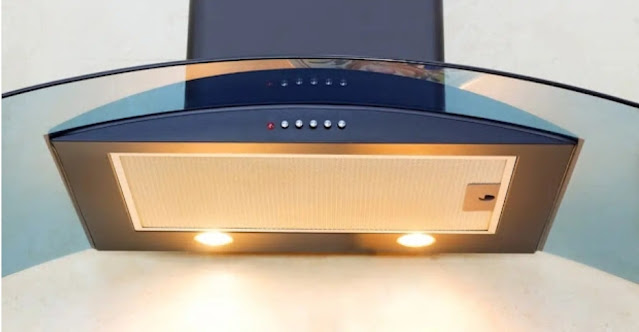
Many homeowners have done it at least once. You leave the kitchen for the evening, glance back at the stove, and notice the range hood light is still on. Maybe you intended to use it as a night light. Perhaps you forgot to switch it off before going to bed. Or maybe you deliberately leave it on every night because it provides a comforting glow throughout the house.
Then a question pops into your mind:
Is it actually safe to leave a range hood light on all night?
The short answer is yes-in most cases, leaving the light on in a modern range hood overnight is generally safe. However, like many household electrical questions, the complete answer depends on the condition of the fixture, the type of bulb installed, and whether the appliance is functioning properly.
While modern range hoods are designed for regular use, understanding how they work and recognizing warning signs of potential problems can help you make informed decisions about safety, energy consumption, and appliance longevity.
Let’s take a closer look at what electricians, appliance technicians, and home safety experts say about leaving range hood lights on overnight.
Understanding How Range Hood Lights Work
A Simple Lighting System
Most range hoods include built-in lighting designed to illuminate the cooking surface below. These lights help homeowners see clearly while preparing meals, cleaning the stovetop, or using the kitchen after dark.
Although many people think of range hood lights as specialty fixtures, they operate similarly to other household lighting systems.
Electricity flows through the fixture to power a bulb, which converts electrical energy into light.
As long as the wiring, switch, and bulb remain in good condition, the system is intended to operate safely for extended periods.
Modern Designs Are Built for Long Use
Manufacturers understand that many homeowners leave appliance lights on for extended periods.
As a result, most modern range hoods are engineered to handle continuous lighting operation without creating safety hazards.
This is especially true for newer models that use LED lighting technology.
Unlike older incandescent bulbs, LEDs generate significantly less heat while consuming far less electricity.
Because of these improvements, many modern range hood lights can remain illuminated for hours without causing concerns.
Is It Safe to Leave the Light On Overnight?
In Most Cases, Yes
If your range hood:
- Is properly installed
- Has no damaged wiring
- Uses the correct bulb type
- Shows no signs of malfunction
- Has been maintained properly
then leaving the light on overnight is generally considered safe.
The electrical load created by a small light bulb is relatively minor compared to many other household appliances.
For example, refrigerators, internet routers, security systems, and HVAC controls often operate continuously around the clock.
A properly functioning range hood light typically presents a similar level of risk as any other household light fixture.
Safety Depends on Maintenance
Even though leaving the light on is usually safe, neglecting maintenance can create problems.
Over time, grease, dust, moisture, and cooking residue can accumulate inside and around the hood.
If maintenance is ignored for years, buildup may affect performance and increase potential fire risks.
This is one reason appliance experts recommend regular cleaning and inspection.
Warning Signs You Should Never Ignore
Flickering Lights
Occasional flickering may seem harmless, but it can signal a loose bulb, failing socket, damaged wiring, or electrical connection problems.
If the light flickers consistently, investigate the issue before continuing overnight use.
Burning Odors
A burning smell should never be ignored.
Electrical components should not emit strong odors during normal operation.
Turn off the appliance immediately and inspect the fixture if you notice unusual smells.
If the source cannot be identified, consult a qualified electrician or appliance technician.
Excessive Heat
Some warmth is normal, particularly with older bulb types.
However, excessive heat may indicate:
- Incorrect bulb installation
- Electrical problems
- Ventilation issues
- Aging components
Modern LED fixtures should remain relatively cool compared to traditional bulbs.
Buzzing or Humming Sounds
Electrical buzzing often suggests loose wiring, failing ballasts, or other electrical concerns.
Although not always dangerous, these sounds warrant attention before leaving the light unattended for extended periods.
Discoloration Around the Fixture
Brown spots, melting plastic, scorch marks, or yellowing around the light housing can indicate overheating.
Any visible damage should be evaluated promptly.
How Much Electricity Does a Range Hood Light Use?
LED Lights Are Extremely Efficient
Many modern range hoods use LED bulbs.
LED technology consumes very little energy compared to older lighting options.
For example:
- A typical LED range hood light may use only 3-8 watts.
- Older incandescent bulbs may use 40-60 watts.
- Some halogen bulbs use 20-50 watts.
The difference becomes significant over time.
Running an LED overnight often costs only a few cents per week depending on local electricity rates.
Comparing Energy Consumption
Consider a 5-watt LED bulb operating for 10 hours overnight.
Energy consumption would equal:
5 watts × 10 hours = 50 watt-hours
This equals only 0.05 kilowatt-hours.
Even in areas with relatively high electricity costs, this amount of energy is minimal.
Older Bulbs Cost More
Incandescent and halogen bulbs consume substantially more electricity.
Although still generally safe, they:
- Produce more heat
- Increase energy costs
- Have shorter lifespans
Many homeowners choose to upgrade to LEDs to reduce both expenses and heat output.
Why People Leave Range Hood Lights On
Kitchen Night Lighting
One of the most common reasons is convenience.
A softly illuminated kitchen helps family members move around safely during the night without turning on bright overhead lights.
The gentle glow can make midnight trips for water or snacks easier.
Safety and Navigation
For households with:
- Children
- Elderly family members
- Guests
- Individuals with mobility challenges
low-level nighttime lighting may reduce the risk of trips and falls.
Comfort and Security
Many people simply feel more comfortable with a small amount of light in the home.
Some homeowners leave a range hood light on while traveling to create the appearance of occupancy.
Although dedicated security lighting may be more effective, a range hood light can contribute to this strategy.
Aesthetic Appeal
Modern kitchens often feature attractive lighting designs.
Some homeowners enjoy the warm ambiance created by a softly illuminated cooking area after dark.
What About Leaving the Fan Running?
The Fan Is Different from the Light
Many people assume the fan and light present similar concerns.
In reality, the fan requires significantly more energy and mechanical operation.
Unlike a light bulb, the fan contains moving parts that experience wear over time.
Energy Consumption
Running the fan continuously consumes more electricity than leaving only the light on.
The exact amount depends on:
- Fan size
- Speed setting
- Motor efficiency
While not necessarily dangerous, continuous operation increases operating costs.
Motor Wear
Like any mechanical system, fan motors gradually wear down with use.
Running the fan all night may shorten its lifespan compared to occasional operation.
When Overnight Ventilation Makes Sense
There are situations where temporary overnight operation may be beneficial, such as:
- Removing lingering cooking odors
- Ventilating excess moisture
- Addressing smoke after a cooking incident
However, continuous nightly operation is rarely necessary in most homes.
The Importance of Cleaning Your Range Hood
Grease Buildup Can Become a Hazard
Cooking releases grease particles into the air.
Over time, these particles accumulate on:
- Filters
- Fan blades
- Light housings
- Interior surfaces
Excessive grease buildup can increase fire risks.
Regular cleaning helps maintain safe operation.
How Often Should You Clean It?
For average households:
- Filters should be inspected monthly.
- Light covers should be wiped regularly.
- Deep cleaning should occur every few months.
Heavy cooking may require more frequent maintenance.
Replace Damaged Components Promptly
Burned-out bulbs, cracked covers, and damaged switches should not be ignored.
Prompt replacement helps maintain both safety and efficiency.
Does Leaving the Light On Shorten Bulb Life?
Every Bulb Has a Lifespan
All light bulbs eventually wear out.
The longer a bulb operates, the sooner it reaches the end of its service life.
However, modern LEDs have remarkably long lifespans.
Many are rated for:
- 15,000 hours
- 25,000 hours
- 50,000 hours or more
At ten hours per night, some LED bulbs can last many years.
LEDs Handle Continuous Use Well
Unlike older bulb technologies, LEDs tolerate extended operating periods effectively.
This makes them particularly suitable for overnight lighting applications.
Situations Where You Should Be More Careful
Although leaving a range hood light on is generally safe, additional caution is appropriate if:
- The hood is very old
- Wiring has never been inspected
- The fixture shows signs of damage
- The appliance has experienced previous electrical issues
- Grease buildup is significant
- Non-approved replacement bulbs have been installed
In these cases, an inspection may be worthwhile before relying on overnight operation.
Frequently Asked Questions
Can a range hood light cause a fire?
A properly functioning range hood light is unlikely to cause a fire. However, damaged wiring, overheating components, or excessive grease accumulation can increase risk.
Are LED range hood lights safer?
LEDs generally produce less heat and consume less electricity than incandescent or halogen bulbs, making them a highly efficient option.
Should I leave the fan on all night too?
Usually not. Unless ventilation is needed, running the fan overnight increases energy use and motor wear without significant benefit.
How often should grease filters be cleaned?
Most experts recommend checking filters monthly and cleaning them regularly based on cooking frequency.
Is it expensive to leave the light on overnight?
For modern LED fixtures, the cost is usually very small and often amounts to only a few cents per week.
Final Thoughts
For most modern kitchens, leaving a range hood light on overnight is generally safe. If the fixture is properly installed, well maintained, and equipped with the correct bulb, there is little reason for concern.
LED lighting has made overnight operation even more practical by reducing energy consumption and minimizing heat production. Many homeowners successfully use range hood lights as convenient nighttime illumination without experiencing problems.
The key is paying attention to warning signs. Flickering, unusual heat, buzzing sounds, burning odors, or visible damage should never be ignored. Regular cleaning and routine maintenance also play important roles in safe operation.
In the end, a well-maintained range hood light can serve as an effective night light, provide gentle kitchen illumination, and offer peace of mind throughout the night. For most households, it remains a practical, low-cost, and low-risk choice that combines convenience with safety.


Leave a Reply