
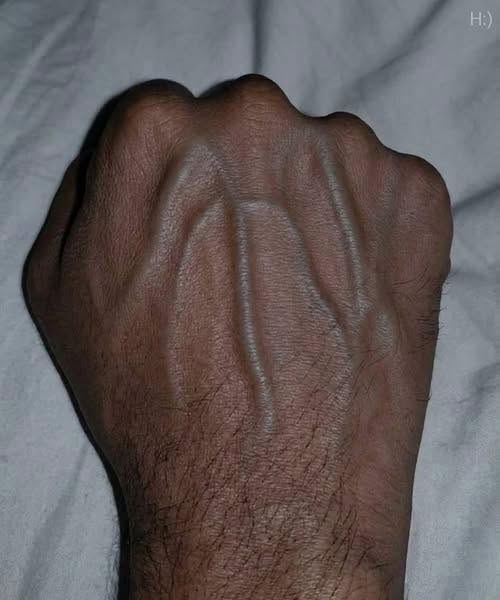
Skin Thickness
One of the most significant factors is skin thickness.
People with thinner skin often have more noticeable veins because there is less tissue covering the blood vessels. This is especially common on the hands, wrists, and forearms.
As skin becomes thinner, veins naturally become easier to see.
Body Fat Levels
Body fat acts as a layer between the skin and underlying blood vessels.
Individuals with lower body fat percentages often have more prominent veins because there is less tissue concealing them.
This is one reason athletes, runners, and physically active individuals frequently display visible veins.
The Effects of Aging
As people age, several natural changes occur:
- Skin loses elasticity.
- Collagen production decreases.
- Subcutaneous fat gradually diminishes.
These changes can make blood vessels more noticeable, particularly on the hands and forearms.
Visible veins are therefore a common feature of normal aging rather than a sign of poor health.
In fact, many older adults notice their hand veins becoming more prominent even when their overall health remains excellent.
Exercise and Physical Activity
Physical activity can temporarily increase vein visibility.
During exercise:
- Muscles expand.
- Blood flow increases.
- Veins widen to accommodate circulation demands.
This process can create the appearance of bulging or highly visible veins, especially during strength training or intense cardiovascular activity.
After exercise, vein visibility often returns closer to normal levels.
For many athletes, prominent veins are simply a reflection of low body fat and increased blood flow.
Temperature and Weather
Environmental temperature can affect blood vessels.
When the body becomes warm, blood vessels expand to help release heat.
As veins enlarge, they become easier to see beneath the skin.
This is why many people notice their veins more clearly:
- During summer
- After a hot shower
- In warm climates
- During physical exertion
The effect is typically temporary.
Genetics Play a Role
Genetics strongly influence vein visibility.
Some people naturally inherit:
- Thinner skin
- Lower body-fat distribution in certain areas
- More superficial veins
- Greater vascular prominence
If visible veins run in your family, your appearance may simply reflect inherited characteristics rather than a medical issue.
Skin Tone and Vein Appearance
Skin color can also affect how noticeable veins appear.
Individuals with lighter skin often observe blue or green veins more easily because there is greater contrast between the skin and underlying blood vessels.
However, visible veins occur in people of all skin tones.
The appearance simply varies depending on pigmentation and skin thickness.
When Visible Veins May Need Medical Attention
Although visible veins are usually harmless, certain symptoms should not be ignored.
Consider consulting a healthcare professional if visible veins are accompanied by:
- Pain
- Swelling
- Redness
- Warmth around the vein
- Sudden enlargement
- Skin discoloration
- Persistent tenderness
These symptoms could indicate conditions affecting circulation or vein health.
Varicose Veins
Varicose veins occur when vein valves weaken, allowing blood to pool inside the vessel.
Signs may include:
- Bulging veins
- Aching discomfort
- Leg heaviness
- Swelling
Varicose veins are more common in the legs than in the hands.
Blood Clots
In rare cases, swelling, pain, and sudden changes involving a vein may indicate a blood clot.
Prompt medical evaluation is important if these symptoms occur.
Supporting Healthy Circulation
While visible veins alone are not usually a concern, maintaining healthy circulation benefits overall vascular health.
Helpful habits include:
Stay Physically Active
Regular movement encourages efficient blood flow throughout the body.
Walking, cycling, swimming, and strength training all support circulation.
Stay Hydrated
Proper hydration helps maintain healthy blood volume and overall vascular function.
Maintain a Balanced Diet
A diet rich in fruits, vegetables, whole grains, and lean proteins supports cardiovascular health.
Avoid Long Periods of Inactivity
Standing or sitting for extended periods may contribute to circulation problems over time.
Taking short movement breaks can be beneficial.
The Bottom Line
Visible veins are often a normal result of factors such as aging, genetics, exercise, body composition, skin thickness, and temperature changes.
In most cases, they do not indicate a health problem and simply reflect how your body is naturally built.
However, if visible veins are accompanied by pain, swelling, redness, or other unusual symptoms, a healthcare professional can help determine whether further evaluation is needed.
For most people, prominent veins are simply another normal variation of human anatomy-not a warning sign, but a reminder of the remarkable network working beneath the skin every day.



Leave a Reply