
Why the Eggs Look Different From Bird Eggs
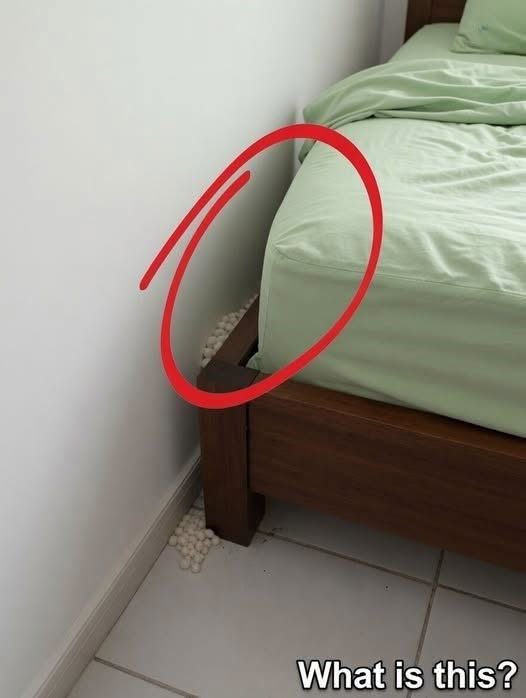
One reason the discovery felt so unusual was that the eggs didn’t resemble the bird eggs most people are familiar with.
Typical Characteristics of Lizard Eggs
| Characteristic | Description |
|---|---|
| Color | White or cream-colored |
| Shape | Oval or slightly elongated |
| Texture | Leathery or flexible |
| Size | Usually small, often grape-sized |
| Location | Hidden and protected |
Unlike bird eggs, reptile eggs often have shells that feel softer and more flexible.
This design helps maintain moisture while allowing the developing embryo to exchange gases with its environment.
The Unexpected Role Lizards Play in Your Home
Once the initial surprise faded, our neighbor explained something I had never fully appreciated.
Many house lizards are actually beneficial.
Natural Insect Control
Geckos feed on a variety of household pests, including:
- Mosquitoes
- Flies
- Moths
- Small cockroaches
- Gnats
- Other insects
In many ways, they serve as tiny pest-control specialists.
A single gecko may consume numerous insects during the course of a night.
Harmless House Guests
Most common house geckos are:
- Non-aggressive
- Non-venomous
- Quiet
- Beneficial to the environment
Although some people find them startling, they generally prefer avoiding human interaction whenever possible.
What Should You Do If You Find Lizard Eggs?
Discovering eggs indoors often raises an important question: leave them or move them?
The answer depends on the circumstances.
If You Choose to Leave Them
If the eggs are located in a safe, undisturbed area, some people choose to leave them alone.
Moving reptile eggs can occasionally harm developing embryos if the eggs are rotated or handled improperly.
If Relocation Is Necessary
If the eggs are in an unsafe location, local wildlife experts may be able to provide guidance on the safest approach.
Whenever possible:
- Handle minimally
- Avoid rotating the eggs
- Keep them in the same orientation
- Follow local wildlife regulations
Different species may be protected under local laws.
The Waiting Game
After learning that the objects were harmless, our fear gradually transformed into curiosity.
Questions began filling our conversations:
- How long would they take to hatch?
- Were the babies already developing?
- Would we ever see them?
- How did the mother get into the house?
Every day we found ourselves checking the little corner near the bed.
What had started as a mystery had become a small lesson in nature.
A Reminder That Wildlife Is Everywhere
One of the most fascinating parts of the experience was realizing how much life exists around us that we rarely notice.
Even in urban environments, homes often overlap with the habitats of:
- Birds
- Insects
- Lizards
- Small mammals
- Pollinators
Most of these creatures remain hidden from view, quietly going about their lives.
Occasionally, however, those worlds intersect in unexpected ways.
Coexistence Over Fear
It’s easy to react with fear when encountering unfamiliar animals or eggs.
Many people immediately assume something is dangerous simply because it is unknown.
Yet education often changes perspective.
Once we understood what we had found, the situation no longer felt alarming.
Instead, it felt remarkable.
The discovery became less about unwanted visitors and more about sharing space with a small part of the natural world.
What We Learned
Looking back, several lessons stood out:
Curiosity Is Better Than Panic
Taking time to identify an unfamiliar object often reveals a much simpler explanation than our imaginations initially suggest.
Nature Adapts
Wildlife constantly finds creative ways to survive and reproduce, even in human-made environments.
Small Creatures Matter
Even tiny geckos contribute to local ecosystems by helping control insect populations.
Every Surprise Has a Story
What first appeared to be a strange mystery on the bedroom floor turned out to be a glimpse into a hidden world we rarely notice.
Final Thoughts
Finding mysterious white objects beside a bed frame was certainly not how I expected to spend my evening. What began as confusion and concern quickly transformed into curiosity, learning, and appreciation.
The experience served as a reminder that our homes are often connected to the natural world in ways we don’t always recognize. Sometimes those connections appear in the form of a tiny gecko on the wall. Other times, they arrive as two small eggs tucked quietly into a corner.
Either way, the lesson remains the same: not every surprise is a problem. Sometimes it’s simply an opportunity to learn something new about the remarkable creatures that live alongside us.


Leave a Reply