
Important Note
Always test a hidden area first, especially on delicate or colored fabrics.
🍋 2. Lemon Juice & Sunlight - Nature’s Brightening Duo
Why It Works
Lemon juice contains natural acids that may help lift stains and brighten fabrics.
Sunlight can further enhance the whitening effect.
How to Use It
- Apply fresh lemon juice directly to the stain.
- Gently rub the fabric together.
- Place the item in direct sunlight for several hours.
- Wash normally afterward.
Best For
- Light yellowing
- Mild rust stains
- White cotton fabrics
- Dingy linens
Use Caution
Lemon juice may lighten colored fabrics, so reserve this method primarily for whites or colorfast items.
🥄 3. Baking Soda Paste - For Grease, Oil & Everyday Stains
Why It Works
Baking soda acts as a gentle abrasive and odor absorber.
It can help lift oily residues from fabric fibers.
How to Use It
- Mix baking soda with a small amount of water.
- Create a thick paste.
- Apply directly to the stain.
- Let sit for 30-60 minutes.
- Gently brush away the paste.
- Launder normally.
Best For
- Grease spots
- Oil stains
- Food spills
- Underarm odor buildup
Bonus Stain-Fighting Pantry Staples
White Vinegar
Helpful for:
- Odor removal
- Mild stain treatment
- Fabric softening
Add about ½ cup to the rinse cycle for many washable fabrics.
Dish Soap
Excellent for:
- Grease stains
- Salad dressing
- Cooking oils
A few drops applied directly to oily stains can be surprisingly effective.
Hydrogen Peroxide
Often used for:
- Blood stains
- Organic stains
- Whitening white fabrics
Always test first, as hydrogen peroxide may affect color on some materials.
Stain Removal Success Tips
Act Quickly
Fresh stains are usually much easier to remove than older ones.
The sooner you treat the stain, the better your chances of complete removal.
Blot-Don’t Rub
Rubbing often pushes stains deeper into fabric fibers.
Instead:
- Blot gently
- Work from the outside inward
- Use a clean cloth
Use Cold Water for Protein Stains
Hot water can set certain stains, including:
- Blood
- Sweat
- Dairy products
- Egg-based foods
Cold water is generally safer for initial treatment.
Check Before Drying
Heat from a dryer can permanently set stains.
Always inspect garments after washing.
If the stain remains:
- Repeat treatment
- Wash again
- Air dry until satisfied with results
Matching the Method to the Stain
| Stain Type | Recommended Treatment |
|---|---|
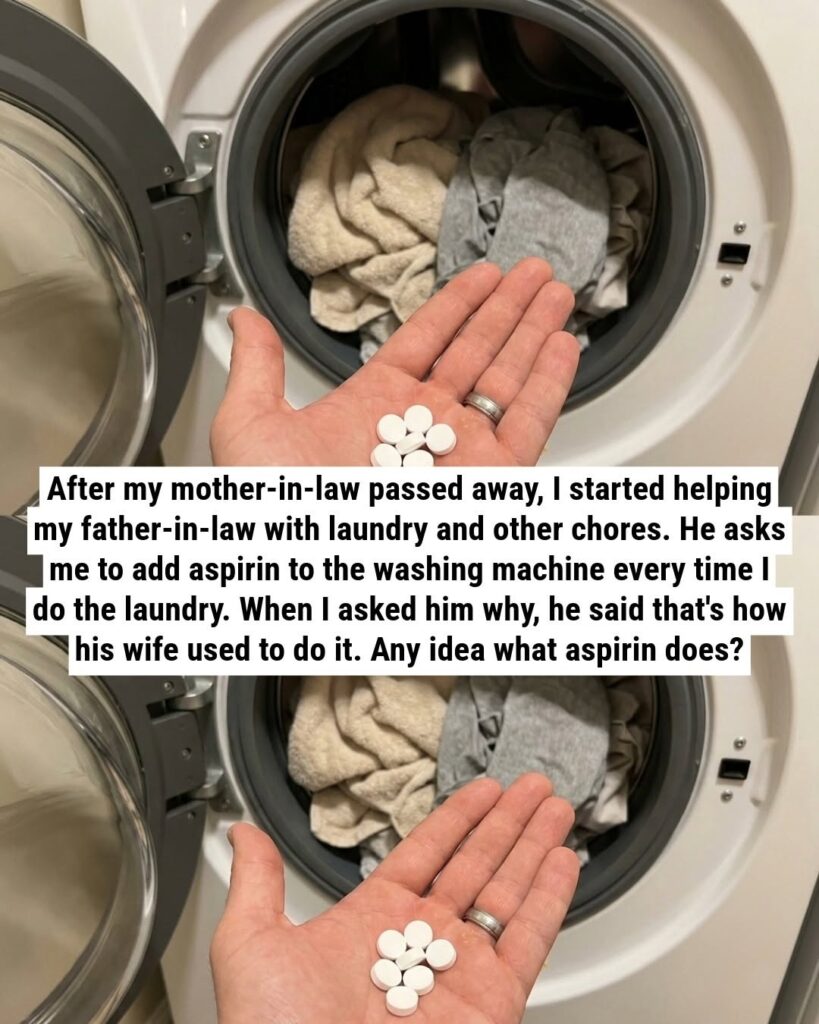
| Sweat stains | Aspirin soak |
| Yellowing | Aspirin or lemon juice |
| Grease | Baking soda or dish soap |
| Coffee | Vinegar and cold water |
| Blood | Cold water and hydrogen peroxide |
| Food oils | Dish soap and baking soda |
| Mild discoloration | Lemon juice and sunlight |
When Home Remedies May Not Be Enough
Some stains can be particularly stubborn.
Examples include:
- Permanent marker
- Certain dyes
- Set-in paint
- Ink
- Bleach damage
In these cases, professional cleaning or specialized products may be necessary.
Why Gentle Methods Appeal to Many People
Many homeowners appreciate pantry-based stain treatments because they are:
- Inexpensive
- Easy to find
- Simple to use
- Often less harsh than specialty products
While not every stain responds perfectly, these methods can often provide impressive results without requiring a cabinet full of cleaning chemicals.
Final Thoughts
Removing stains doesn’t always require expensive sprays or harsh cleaners. Everyday items like aspirin, lemon juice, baking soda, vinegar, and dish soap can often help restore clothing and linens using simple, time-tested techniques.
The key is matching the right treatment to the stain, acting quickly when possible, and being patient with the process. Sometimes the most effective cleaning solutions aren’t found in the laundry aisle-they’re already sitting in your kitchen.
A favorite shirt or cherished tablecloth may be easier to save than you think.



Leave a Reply