
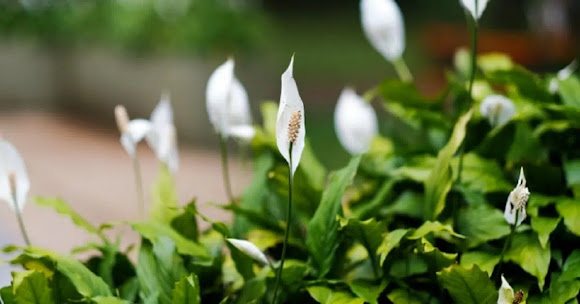
Peace lilies are among the most beloved houseplants in the world, and it’s easy to understand why. Their glossy, dark-green leaves bring elegance to any room, while their graceful white blooms add a touch of sophistication that few indoor plants can match.
Many people purchase a peace lily because of those beautiful flowers. Yet after bringing one home, they often discover a frustrating reality: the plant grows healthy leaves but refuses to bloom.
If this sounds familiar, you’re far from alone.
A peace lily that isn’t flowering doesn’t necessarily mean something is wrong. In fact, most non-blooming peace lilies are simply responding to environmental conditions. The good news is that with a few adjustments, you can often encourage your plant to produce more blooms and maintain healthier growth overall.
Understanding what peace lilies need-and what prevents them from flowering-is the key to success. Once you learn how these tropical plants naturally grow, you’ll be able to create conditions that support regular blooming and long-term plant health.
Let’s explore the most effective ways to help your peace lily thrive and reward you with those stunning white flowers.
Understanding How Peace Lilies Bloom
What Most People Call the Flower
Interestingly, the large white structure most people think of as the flower isn’t actually the flower itself.
The white portion is called a spathe, which is a specialized leaf that surrounds the true flower.
The actual flowers are the tiny structures growing on the central spike known as the spadix.
Together, they create the iconic appearance that makes peace lilies so popular.
Blooming Requires Energy
Flower production requires a significant amount of energy.
When a peace lily blooms, it invests valuable resources into producing:
- Flower stems
- White spathes
- Reproductive structures
- Seeds (if pollinated)
If the plant lacks sufficient energy, it naturally prioritizes survival and leaf growth over flowering.
This explains why many healthy-looking peace lilies remain green but never bloom.
The Importance of Proper Lighting
Why Light Is the Number One Factor
When experts troubleshoot a non-blooming peace lily, lighting is usually the first thing they examine.
Although peace lilies are famous for tolerating low light, there is a major difference between surviving and thriving.
Low light allows the plant to stay alive.
Bright indirect light allows it to bloom.
The Best Light Conditions
Peace lilies perform best when placed in:
- Bright indirect sunlight
- East-facing windows
- North-facing windows
- Rooms with filtered light
The goal is to provide enough brightness without exposing the leaves to harsh direct sunlight.
What Happens in Low Light
When light levels are too low, the plant often:
- Produces fewer flowers
- Grows more slowly
- Develops smaller leaves
- Focuses on survival rather than blooming
Many office peace lilies remain green for years without flowering simply because they lack adequate light.
Avoid Direct Sun
Too much sunlight can be just as problematic.
Direct sun may cause:
- Leaf scorching
- Brown patches
- Yellowing leaves
- Plant stress
A stressed peace lily rarely produces abundant blooms.
The Root-Bound Secret
Why Peace Lilies Like Tight Quarters
One of the most surprising aspects of peace lily care is that they often bloom better when slightly root-bound.
Many houseplants prefer spacious containers, but peace lilies frequently perform best when their roots fill most of the available pot.
What Happens in Oversized Pots
When placed in a pot that is too large, the plant directs energy toward root expansion.
Instead of producing flowers, it focuses on filling empty soil with roots.
This process can delay blooming for months or even years.
Signs It’s Time to Repot
Consider repotting if:
- Roots emerge from drainage holes
- Soil dries extremely quickly
- The root ball fills the entire container
- Growth slows significantly
Choose the Right Size
When repotting:
- Increase only one pot size
- Choose a container 1-2 inches larger
- Ensure proper drainage
Giving the plant too much extra room often delays flowering.
Feeding for Better Blooms
Understanding Plant Nutrients
Like all plants, peace lilies require nutrients to grow.
The three primary nutrients found in fertilizers are:
- Nitrogen (N)
- Phosphorus (P)
- Potassium (K)
Each serves a different purpose.
Nitrogen Encourages Leaves
Nitrogen promotes:
- Leaf production
- Stem growth
- Green coloration
Too much nitrogen can create a lush plant with very few flowers.
Phosphorus Supports Flowering
Phosphorus plays a major role in:
- Root development
- Flower formation
- Reproductive growth
Plants preparing to bloom often benefit from adequate phosphorus availability.
Potassium Supports Overall Health
Potassium helps:
- Disease resistance
- Water regulation
- Overall plant vigor
Healthy plants generally bloom more consistently.
Fertilizing Correctly
During spring and summer:
- Use a balanced houseplant fertilizer
- Dilute to half strength
- Feed approximately once per month
Avoid excessive fertilization, which can damage roots and reduce flowering.
Mastering the Art of Watering
Peace Lilies Are Dramatic
Few houseplants communicate thirst as dramatically as peace lilies.
A thirsty plant may suddenly droop and appear severely distressed.
Fortunately, it often recovers quickly after watering.
Don’t Wait for Complete Collapse
Although peace lilies can recover from occasional wilting, repeated stress weakens the plant.
Frequent severe drying can lead to:
- Brown leaf tips
- Reduced growth
- Fewer blooms
- Root stress
The Ideal Watering Method
Follow these steps:
- Check the top inch of soil.
- Water when it feels slightly dry.
- Water thoroughly until excess drains out.
- Empty saucers afterward.
This routine keeps roots hydrated without encouraging rot.
Avoid Standing Water
Peace lilies dislike waterlogged soil.
Constantly wet roots may develop:
- Root rot
- Fungal issues
- Nutrient deficiencies
Good drainage remains essential.
Water Quality Matters
Sensitivity to Chemicals
Peace lilies are surprisingly sensitive to certain chemicals commonly found in tap water.
These may include:
- Chlorine
- Fluoride
- Mineral salts
Over time, exposure can contribute to brown leaf tips.
Better Water Options
Many growers achieve excellent results using:
- Filtered water
- Distilled water
- Rainwater
- Tap water left overnight
Allowing tap water to sit may reduce chlorine levels.
Recreating Their Tropical Environment
Where Peace Lilies Come From
Peace lilies naturally grow in tropical forests throughout Central and South America.
Understanding their native habitat provides valuable care clues.
Warm Temperatures
They prefer temperatures between:
- 65°F and 80°F
- 18°C and 27°C
Avoid exposing them to:
- Cold drafts
- Air conditioners
- Open winter windows
- Heating vents
Temperature stress can interfere with flowering.
Humidity Helps
Rainforests provide consistently humid conditions.
Indoor air often becomes much drier, especially during winter.
Increasing humidity can improve plant performance.
Methods include:
- Humidifiers
- Pebble trays
- Grouping plants together
- Regular misting (lightly)
The Importance of Pruning and Deadheading
Remove Spent Flowers
Old flowers continue consuming energy.
As blooms age:
- White spathes turn green
- Edges become papery
- Flowers gradually decline
Removing them helps redirect resources.
How to Deadhead Properly
Follow the flower stem to its base.
Use clean scissors or pruners and cut near the soil line.
This encourages the plant to focus on new growth.
Remove Damaged Leaves
Yellow, brown, or dying leaves should also be removed.
Benefits include:
- Improved appearance
- Better airflow
- Reduced disease risk
- More efficient energy use
Common Reasons Peace Lilies Refuse to Bloom
Insufficient Light
The most common cause.
Without adequate light, flower production becomes unlikely.
Pot Too Large
Excess root space encourages root growth rather than blooming.
Excess Nitrogen
Too much nitrogen creates abundant leaves but few flowers.
Poor Watering Practices
Both overwatering and underwatering can interfere with flowering.
Low Humidity
Dry air may contribute to stress and reduced blooming.
Immaturity
Young plants sometimes need time before reaching flowering age.
Patience may be necessary.
Frequently Asked Questions
Why did my white flower turn green?
This is completely normal. Aging spathes naturally develop chlorophyll and eventually turn green before fading.
How long do blooms last?
Most peace lily blooms remain attractive for one to two months.
Can peace lilies live outdoors?
Yes, but only in warm, shaded environments protected from direct sunlight.
Are peace lilies toxic to pets?
Yes. They contain calcium oxalate crystals that can cause irritation if chewed or swallowed.
How often should I fertilize?
Monthly feeding during spring and summer is generally sufficient.
Signs Your Peace Lily Is Happy
Healthy peace lilies typically display:
- Deep green leaves
- Upright growth
- Steady new foliage
- Occasional flowers
- Strong root systems
A plant showing these characteristics is usually receiving appropriate care.
Patience Is Part of the Process
Plants Follow Their Own Schedule
One of the most important lessons in gardening is patience.
Even under perfect conditions, plants operate according to their own biological timelines.
Flowering may occur weeks or months after adjustments are made.
Growth Comes First
Before producing blooms, many peace lilies focus on:
- Root development
- Leaf production
- Energy storage
These processes are not failures.
They are investments in future flowering.
Small Improvements Matter
Moving a plant closer to a window, improving watering habits, increasing humidity, or adjusting fertilizer may seem minor.
Yet these small changes often create dramatic results over time.
Final Thoughts
A peace lily that refuses to bloom is usually not unhealthy-it is simply responding to its environment. Most flowering problems can be traced to a handful of common factors, including insufficient light, oversized pots, improper fertilization, inconsistent watering, or low humidity.
By providing bright indirect light, allowing the plant to remain slightly root-bound, feeding appropriately, watering carefully, and recreating tropical conditions, you dramatically increase the chances of seeing those elegant white blooms return.
Most importantly, remember that a peace lily’s value extends far beyond its flowers. Even when it isn’t blooming, it continues to bring beauty, greenery, and life into your home.
And when that first white bloom finally appears after months of care and patience, it feels like a quiet reward for everything you’ve done.
Sometimes the best gardening lesson isn’t how to force a plant to bloom.
It’s learning how to create the conditions that allow it to bloom when it’s ready.



Leave a Reply