
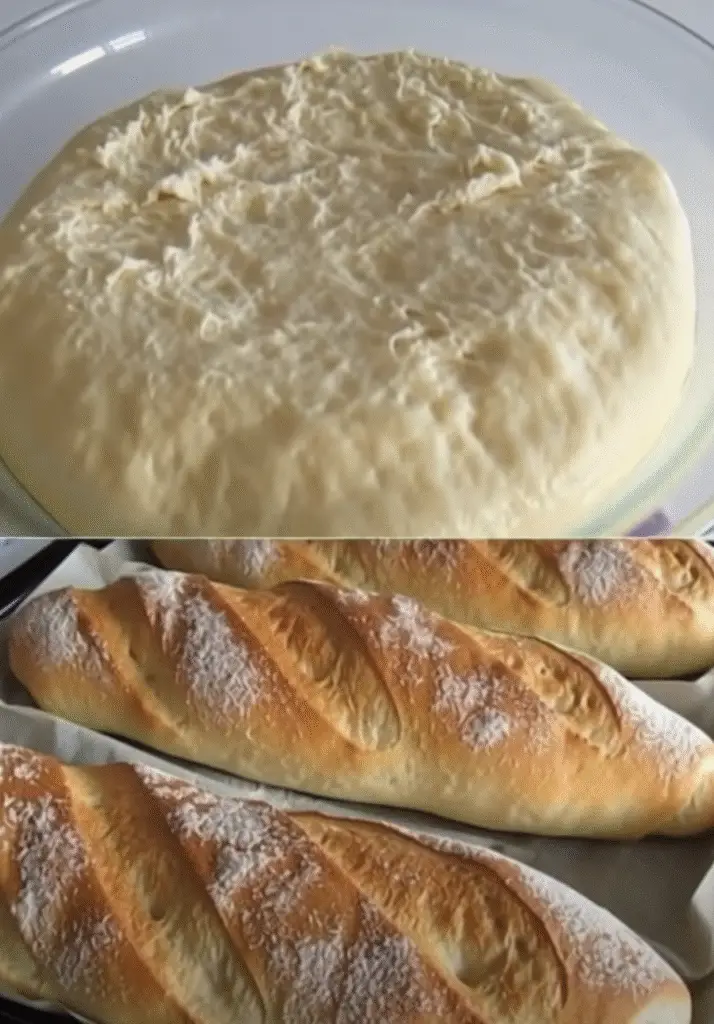
Homemade Olive Oil Bread is one of those recipes that instantly makes a kitchen feel warm and welcoming. From the first moment the yeast blooms to the final brush of olive oil, this bread delivers comfort, flavor, and simplicity. Because Homemade Olive Oil Bread uses basic pantry staples, it feels approachable even if you are new to bread baking. At the same time, the results feel bakery-worthy every single time.
This Homemade Olive Oil Bread recipe focuses on creating a soft, tender crumb with a lightly crisp crust. Thanks to olive oil, the bread stays moist, slices beautifully, and works just as well for dipping as it does for sandwiches. Whether you serve it with soup, pasta, or a simple plate of olive oil and vinegar, Homemade Olive Oil Bread always feels like a special addition to the table.
A Simple Personal Story Behind This Bread
I first started making Homemade Olive Oil Bread during a season when store-bought bread felt uninspiring. One quiet afternoon, I wanted something fresh but not complicated. I remembered how comforting the smell of baking bread always felt growing up. So, I mixed flour, water, yeast, and olive oil without much expectation. As the dough rose, the kitchen filled with a warm, familiar aroma. When the loaf came out of the oven, golden and crackling, it instantly became a ritual. Since then, Homemade Olive Oil Bread has been my go-to recipe whenever I want something grounding, reliable, and deeply satisfying without unnecessary steps.
Why Homemade Olive Oil Bread Works Every Time
The Role of Olive Oil in Bread Dough
Homemade Olive Oil Bread relies on olive oil for both flavor and structure. Olive oil coats the flour proteins, which limits gluten tightening. As a result, the bread stays soft rather than chewy. Additionally, olive oil adds subtle richness without overpowering the loaf. Because of this balance, Homemade Olive Oil Bread feels light yet satisfying.
Another benefit is moisture retention. While butter-based breads can dry out faster, Homemade Olive Oil Bread remains tender for days. Therefore, it works well for make-ahead baking. Even better, olive oil enhances browning, giving the crust its signature golden color.
Why This Recipe Is Beginner-Friendly
Homemade Olive Oil Bread follows a straightforward process. Since the dough uses active dry yeast and simple mixing, there is no need for advanced techniques. Furthermore, the dough is forgiving. Even if kneading time varies slightly, the loaf still rises beautifully. Because of these factors, beginners can approach Homemade Olive Oil Bread with confidence.
Ingredients That Make a Difference
Pantry Staples With Purpose
Homemade Olive Oil Bread uses ingredients you likely already have. Flour provides structure, while warm water activates the yeast. Sugar feeds the yeast, helping the dough rise consistently. Salt balances flavor and strengthens the dough. Olive oil, of course, brings everything together.
Each ingredient plays a clear role. Because nothing is unnecessary, the final loaf tastes clean and wholesome. This simplicity is exactly why Homemade Olive Oil Bread remains timeless.
Optional Toppings for Extra Flavor
Although Homemade Olive Oil Bread tastes great on its own, toppings can elevate it. Flaky sea salt adds crunch and contrast. Dried rosemary brings an herbal aroma. Garlic flakes introduce savory depth. Because these toppings sit on the crust, they enhance flavor without altering the dough itself.
Step-by-Step Process Explained
Activating Yeast for a Strong Rise
The first step in Homemade Olive Oil Bread is activating the yeast. Warm water and sugar create the ideal environment for yeast to bloom. After five to ten minutes, foam forms on the surface. This step ensures your yeast is alive and ready. Without it, the dough may not rise properly.
Mixing, Kneading, and Developing Structure
Once activated, olive oil and salt are added. Flour goes in gradually, allowing you to control texture. The dough should feel soft but not sticky. Kneading then develops gluten, giving Homemade Olive Oil Bread its structure. After eight to ten minutes, the dough becomes smooth and elastic, signaling it is ready to rise.
Equipment
- Mixing Bowl
- baking sheet
Ingredients
- 3 cups all-purpose flour
- 1.25 cups warm water
- 2.25 teaspoons active dry yeast
- 2 tablespoons extra-virgin olive oil
- 1.5 teaspoons salt
- 1 teaspoon sugar
Instructions
- Combine warm water and sugar, sprinkle yeast on top, and let sit until foamy.
- Add olive oil and salt, then gradually mix in flour until a soft dough forms.
- Knead dough on a floured surface until smooth and elastic.
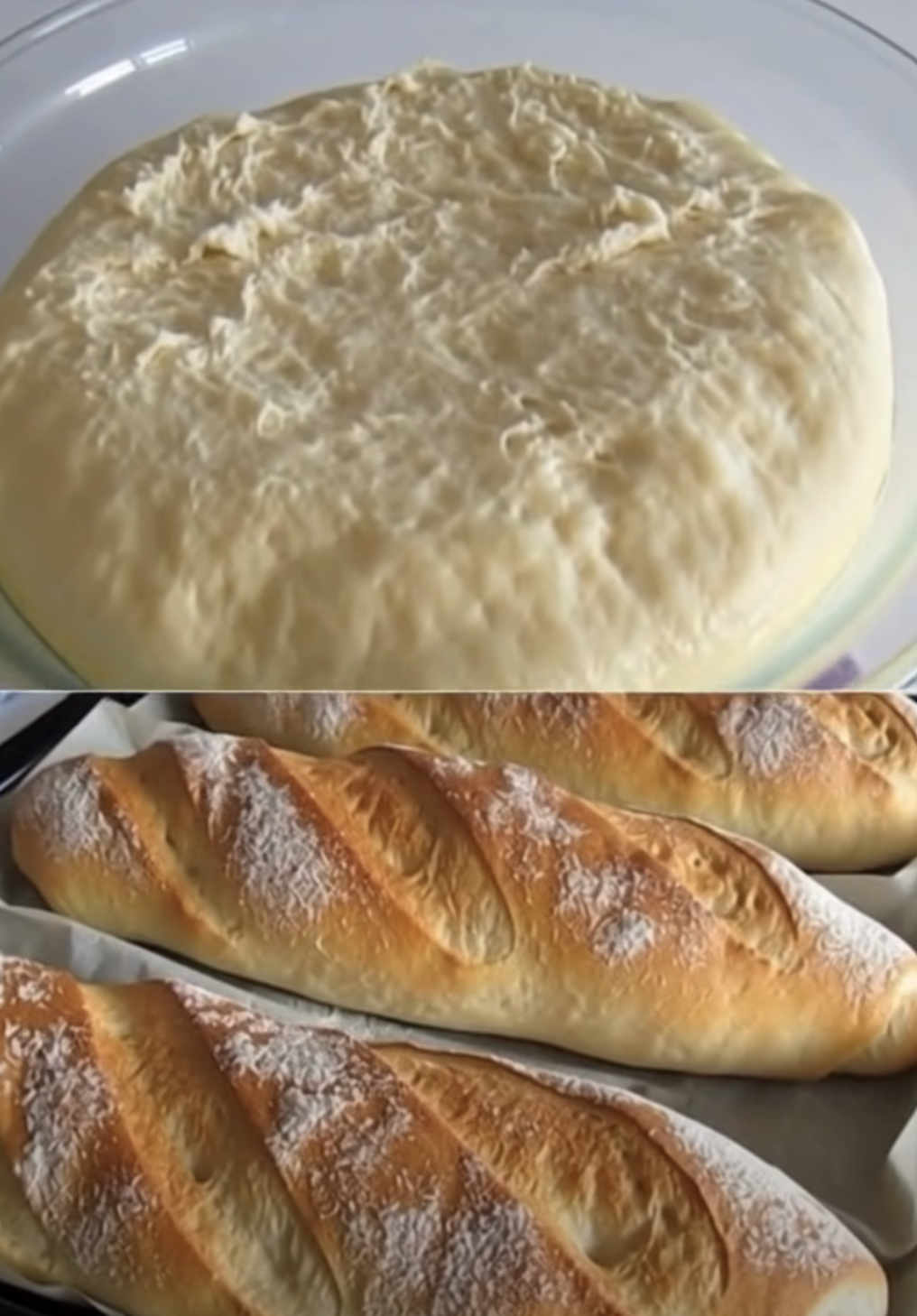
- Place dough in an oiled bowl, cover, and let rise until doubled.
- Shape dough, let rise again, brush with olive oil, and score the top.
- Bake at 400°F until golden and hollow-sounding.
Notes
Nutrition
Mastering the Rise and Bake
Why the First Rise Matters
The first rise allows yeast to produce gas, which expands the dough. During this time, flavor also develops. Homemade Olive Oil Bread benefits from a full rise, doubling in size. Because of this step, the crumb becomes light rather than dense.
Shaping, Scoring, and Baking
After punching down the dough, shaping helps create surface tension. This tension supports oven spring. Scoring the top allows controlled expansion while baking. Brushing with olive oil before baking enhances crust color. As the bread bakes, the crust turns golden and the loaf sounds hollow when tapped. That sound confirms the Homemade Olive Oil Bread is fully baked.
FAQ About Homemade Olive Oil Bread
Can I use bread flour instead of all-purpose flour?
Yes, although Homemade Olive Oil Bread will be slightly chewier with bread flour.
How do I store Homemade Olive Oil Bread?
Store it wrapped at room temperature for up to three days.
Can I freeze Homemade Olive Oil Bread?
Yes, wrap tightly and freeze for up to two months.
Why didn’t my bread rise?
Inactive yeast or water that is too hot or too cold can prevent rising.
Can I add mix-ins to the dough?
Absolutely. Chopped olives or sun-dried tomatoes work well.
Conclusion: Why You’ll Keep Making This Bread
Homemade Olive Oil Bread proves that simple ingredients can create incredible results. Because it is reliable, flavorful, and flexible, it fits into everyday meals and special occasions alike. Once you experience the aroma, texture, and taste, this Homemade Olive Oil Bread will quickly become a staple in your kitchen.




Leave a Reply