
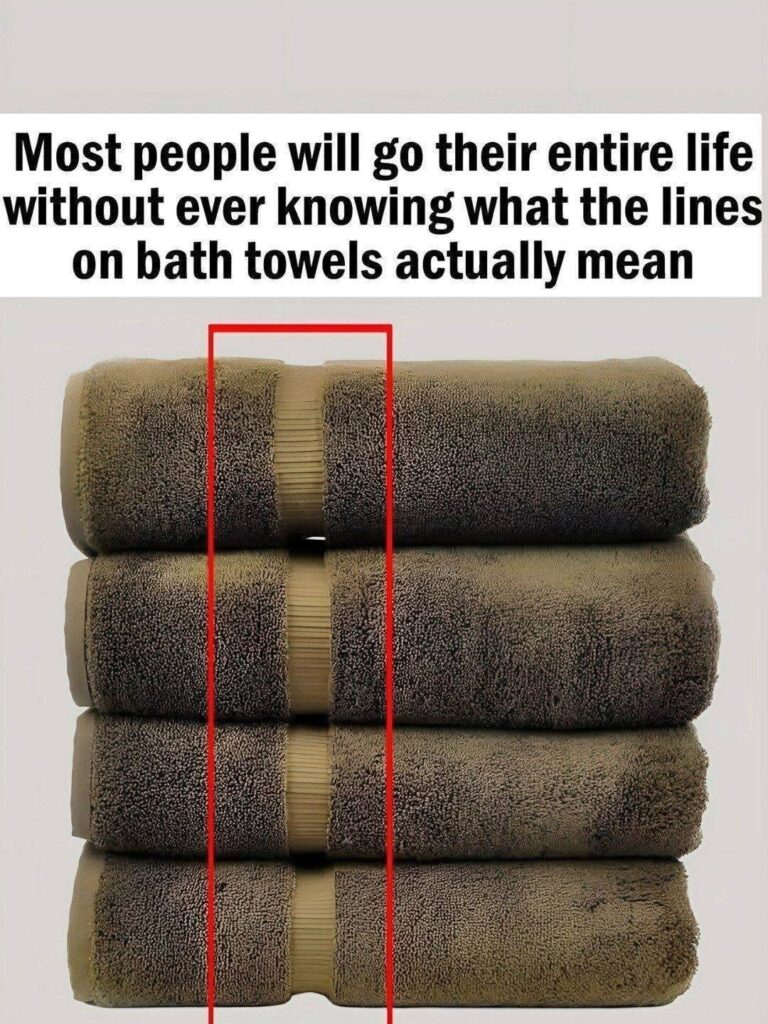
Do Colored Lines Have Special Meanings?
Sometimes.
In large commercial settings, colored stripes may serve organizational purposes.
In Hotels
Colored bands can occasionally help staff identify:
- Different towel sizes
- Different departments
- Different room categories
- Laundry rotation systems
For example:
| Color | Possible Internal Use |
|---|---|
| Blue | Bath towels |
| Green | Pool towels |
| Gray | Gym towels |
| Red | Housekeeping designation |
However, these systems vary widely between properties.
There is no universal global towel color code.
In Hospitals and Care Facilities
Colored stripes may sometimes assist with:
- Infection control systems
- Department sorting
- Linen management
- Inventory tracking
Again, the specific meanings depend on the institution.
The Myth About “Body Part” Towels
One persistent internet rumor claims that towel stripes indicate which part of the body the towel should be used for.
For example:
- One stripe = face
- Two stripes = hands
- Three stripes = body
This is not a recognized textile industry standard.
While some manufacturers create coordinated towel sets with different sizes, the stripes themselves generally do not function as body-part instructions.
Why Luxury Towels Often Have More Decorative Bands
Higher-end towels frequently feature:
- Jacquard patterns
- Embroidered borders
- Multiple woven bands
- Decorative textures
These additions create a premium appearance while still serving practical structural purposes.
Many luxury hotels use towels with prominent dobby borders because they:
- Fold neatly
- Display well
- Maintain shape after commercial laundering
The Difference Between Terry and Border Sections
A towel essentially contains two functional zones.
Terry Loops
These soft loops are responsible for:
- Absorbing water
- Creating softness
- Providing cushioning
Border Areas
These flatter sections provide:
- Stability
- Durability
- Shape retention
- Decorative detail
Together, they balance comfort and longevity.
Why Towels Don’t Use Loops Everywhere
You might wonder why manufacturers don’t simply cover the entire towel in terry loops.
There are several reasons:
Edge Durability
Loops along the edges would wear out more quickly.
Manufacturing Efficiency
Borders help control tension during weaving.
Better Appearance
Flat borders create cleaner lines and a more finished product.
How to Make Towels Last Longer
Whether your towels have decorative bands or not, proper care can significantly extend their lifespan.
Wash in Warm Water
Excessive heat can damage fibers over time.
Avoid Excess Fabric Softener
Fabric softeners can coat fibers and reduce absorbency.
Shake Before Drying
This helps fluff the terry loops.
Don’t Overload the Washer
Crowded loads prevent thorough cleaning and increase wear.
Trim Loose Threads
Never pull them.
Instead, carefully trim with scissors.
Fun Fact: Towel Design Dates Back Centuries
Modern towels evolved from traditional Turkish textiles.
Early woven towels often featured decorative borders that signaled:
- Craftsmanship
- Regional identity
- Family status
- Weaving techniques
Today’s dobby borders are partly descendants of those historic textile traditions.
Why We Rarely Notice These Details
Towels are one of those everyday objects we use constantly without really examining.
Yet textile designers spend considerable effort balancing:
- Absorbency
- Durability
- Appearance
- Manufacturing efficiency
The humble woven band is a perfect example of a small design element performing multiple jobs simultaneously.
Final Thoughts
The lines on bath towels are usually much more than decoration. Most commonly, they’re dobby borders-tightly woven sections designed to reinforce the towel, prevent fraying, improve durability, and create a polished appearance. In some hotels, hospitals, or commercial laundry systems, colored stripes may also assist with sorting and inventory management.
While internet myths sometimes assign secret meanings to these bands, the reality is simpler and more interesting: they’re a clever combination of function, tradition, and design. The next time you reach for a towel, you’ll know that those subtle woven lines are doing more work than most people realize.


Leave a Reply