
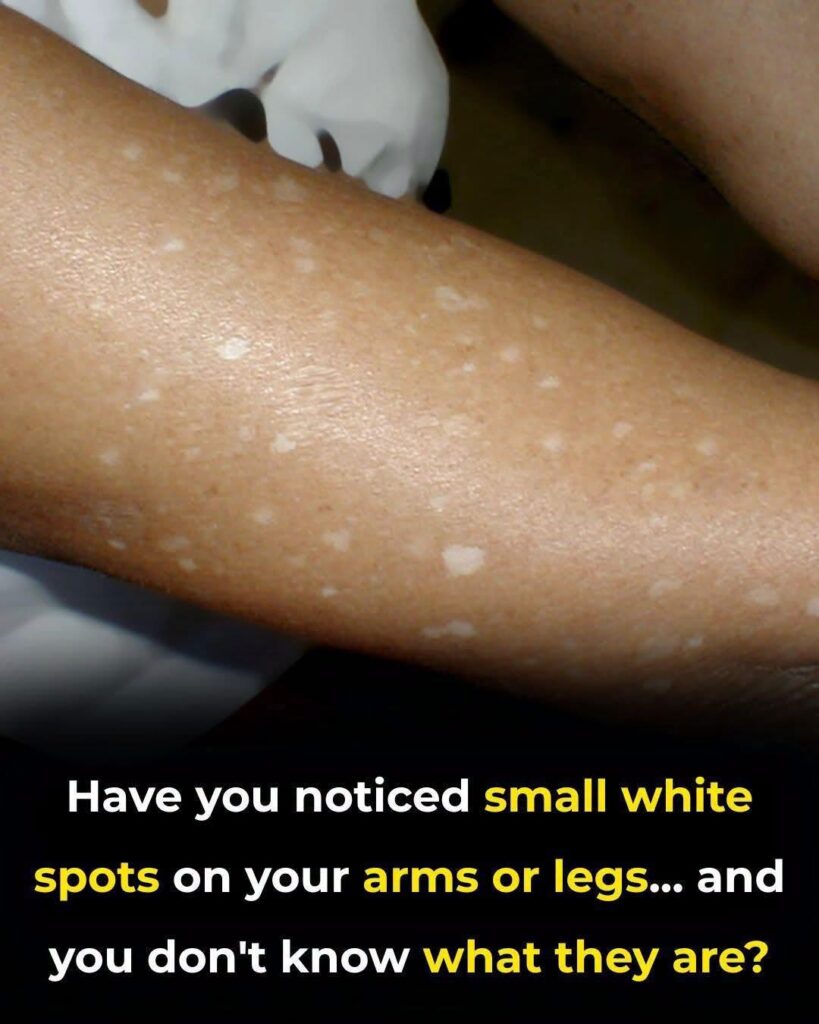
Noticing small white spots on your arms or legs can be unsettling.
One day, your skin looks normal. Then suddenly, after a shower, after shaving, or after spending time in the sun, you notice tiny pale dots scattered across your shins, forearms, or hands. They may look like little drops of white paint, faded freckles, or tiny areas where your skin has lost color.
At first, it is easy to panic.
You may wonder if it is a fungal infection, a vitamin deficiency, vitiligo, or even something dangerous. Many people immediately search online and end up more worried than before.
The good news is that in many cases, these small white spots are harmless. One common cause is a condition called idiopathic guttate hypomelanosis, often shortened to IGH.
The name sounds complicated, but the condition is usually simple: small, flat, pale spots caused by reduced pigment in the skin, often linked to aging and years of sun exposure.
What Is Idiopathic Guttate Hypomelanosis?
Idiopathic guttate hypomelanosis is a common skin condition that causes small white or pale spots, usually on sun-exposed areas of the body.
The spots are usually:
- Small
- Round or oval
- Flat
- Smooth
- White or lighter than surrounding skin
- Most common on arms and legs
The term can be broken down easily.
"Idiopathic" means the exact cause is not fully known.
"Guttate" means drop-like.
"Hypomelanosis" means reduced melanin, the pigment that gives skin its color.
In simple words, IGH means tiny drop-shaped areas of skin with less pigment.
It is not contagious. It is not caused by poor hygiene. It is not a fungal infection. It is not usually dangerous.
For many people, it is simply a cosmetic skin change.
Why Do These White Spots Appear?
The most common explanation is long-term sun exposure combined with natural aging.
Over time, ultraviolet rays from the sun can affect melanocytes, the cells responsible for producing melanin. When these pigment-producing cells become less active or disappear in certain tiny areas, the skin there becomes lighter.
That is why these white spots often appear on parts of the body that have received years of sunlight, such as:
- Shins
- Forearms
- Hands
- Upper arms
- Shoulders
- Chest
- Face, in some cases
They are especially noticeable after summer because the surrounding skin may tan while the white spots do not. This contrast makes the pale areas stand out more.
Are They Dangerous?
In most cases, small white IGH spots are harmless.
They are considered benign, meaning they are not cancerous.
They usually do not itch, hurt, bleed, crust, or become inflamed.
However, it is always wise to pay attention to your skin. Not every white spot is IGH. Other conditions can also cause pale patches, including fungal infections, eczema-related changes, vitiligo, scars, or sun-related precancerous spots.
That is why a dermatologist should check any spot that changes, spreads quickly, becomes rough, bleeds, hurts, or looks unusual.
What Do IGH Spots Look Like?
IGH spots are usually tiny, often around 1 to 5 millimeters wide.
They may look like:
- Small white dots
- Pale freckles
- Tiny porcelain-colored spots
- Round or oval marks
- Flat areas of lost pigment
They typically have a smooth surface.
They usually do not peel or flake.
They often stay about the same size for a long time, although new spots may appear gradually as a person ages.
IGH vs. Vitiligo
One of the first concerns people have is vitiligo.
Vitiligo is an autoimmune condition that causes larger areas of skin to lose pigment. These patches may grow, merge, and appear on many areas of the body, including the face, hands, elbows, knees, and around the mouth or eyes.
IGH is usually different.
IGH spots are much smaller, more scattered, and commonly found on sun-exposed arms and legs.
Vitiligo patches are often larger, more sharply defined, and may continue spreading over time.
If you are unsure, a dermatologist can usually tell the difference.
IGH vs. Fungal White Spots
Another common cause of white patches is tinea versicolor, a superficial fungal condition.
Tinea versicolor often appears on the chest, back, shoulders, or neck. The patches may be white, pink, tan, or brown, and they can have a fine scale. Sometimes they itch slightly.
IGH spots, by contrast, are usually smooth and most common on the shins and forearms.
Fungal patches may improve with antifungal treatment, but IGH will not because it is not caused by fungus.
Can You Remove These White Spots?
This is the frustrating part: IGH spots can be difficult to remove completely.
Because the issue involves reduced pigment cells in the skin, there is no simple cream that always makes them disappear.
Treatment is optional because the condition is harmless.
Some dermatologists may suggest options such as:
- Topical retinoids
- Light-based therapy
- Microneedling
- Laser treatment
- Cosmetic camouflage
- Self-tanner
Results vary from person to person.
For many people, the safest and easiest approach is simply to protect the skin from more sun damage and use cosmetic products if the spots bother them.
Can Self-Tanner Help?
Yes, sometimes.
Self-tanner does not increase melanin, but it can darken the surface of the skin temporarily. This may help the white spots blend better with the surrounding skin.
The result is not always perfect, but it can be a simple cosmetic option for people who feel self-conscious about the spots on their legs or arms.
What Should You Avoid?
Do not aggressively scrub the spots.
They are not dirt.
They are not dead skin sitting on the surface.
Scrubbing can irritate the skin and make the area look worse.
Also avoid harsh home remedies, strong bleaching products, or chemical peels without professional guidance. These may damage the surrounding skin and create more uneven pigmentation.
How to Prevent More Spots
You may not be able to erase years of past sun exposure, but you can reduce future damage.
The most important step is sun protection.
Use a broad-spectrum sunscreen with SPF 30 or higher on exposed skin.
Apply it daily when you are outdoors.
Reapply every two hours if you are sweating, swimming, or spending extended time in the sun.
Other helpful habits include:
- Wearing long sleeves when possible
- Choosing UPF protective clothing
- Avoiding tanning beds
- Staying in shade during peak sun hours
- Moisturizing regularly
- Checking your skin for changes
Sun protection will not necessarily make existing spots disappear, but it can help prevent new ones and protect your overall skin health.
When Should You See a Dermatologist?
You should see a dermatologist if:
- The spots are growing quickly
- They are changing shape
- They become raised or rough
- They bleed
- They hurt
- They itch intensely
- They appear suddenly in large numbers
- You are not sure what they are
Most white spots are not dangerous, but professional evaluation is the best way to be certain.
The Emotional Side of Skin Changes
Even harmless skin changes can feel emotional.
White spots may remind you that your skin is aging or that years of sun exposure have left visible marks. That can feel discouraging at first.
But these spots do not mean your skin is ruined.
They do not mean you are unhealthy.
They do not take away from your appearance or your worth.
Skin changes over time. It collects evidence of summers, vacations, outdoor walks, beach days, childhood afternoons, and ordinary life.
Your skin is not supposed to remain exactly the same forever.
Final Thoughts
Small white spots on your arms or legs can be surprising, but they are often harmless.
In many adults, especially after years of sun exposure, these spots are caused by idiopathic guttate hypomelanosis.
They are usually flat, smooth, tiny, and most common on sun-exposed areas such as the shins and forearms.
They are not contagious.
They are not caused by poor hygiene.
They are usually not dangerous.
Still, any new or changing skin spot deserves attention. When in doubt, a dermatologist can confirm what it is and rule out other causes.
The best thing you can do is protect your skin going forward.
Use sunscreen.
Avoid tanning beds.
Moisturize.
Pay attention to changes.
And do not panic over every little pale dot.
Sometimes, those small white spots are simply your skin's quiet record of time, sunlight, and life lived outdoors.



Leave a Reply