
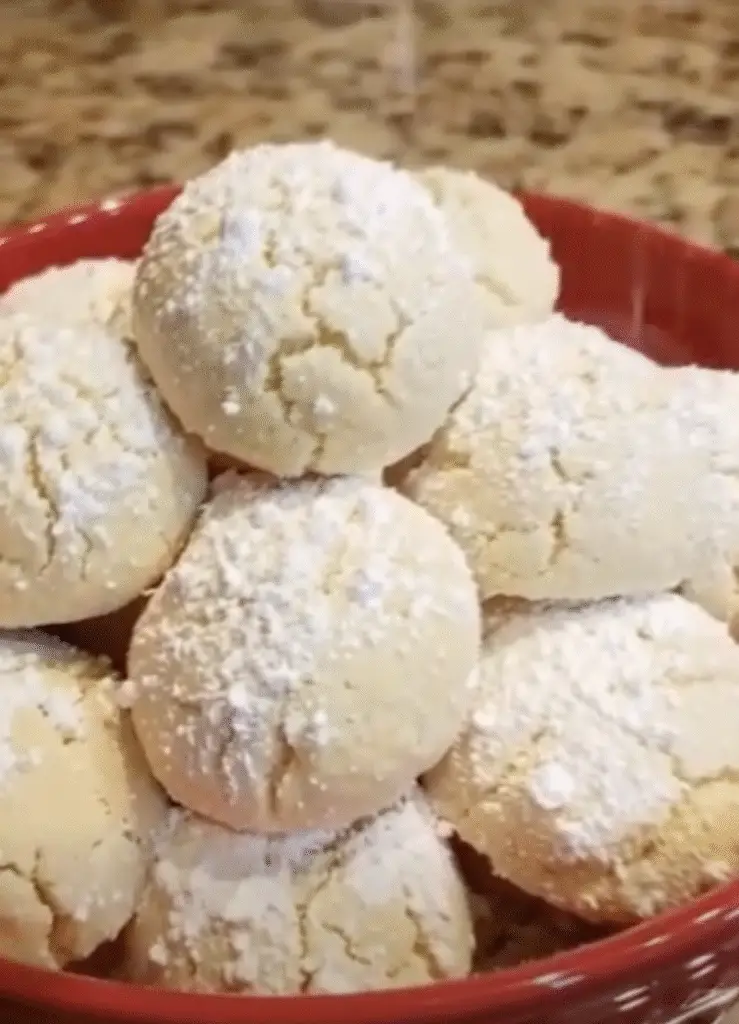
Gluten-Free Snowball Cookies bring classic holiday comfort to anyone who needs or prefers gluten-free baking. These delicate, buttery cookies melt in your mouth and finish with a soft, snowy coating of powdered sugar. Despite their elegant look, they come together easily with simple ingredients and straightforward steps, making them ideal for beginners and seasoned bakers alike.
This Gluten-Free Snowball Cookies recipe delivers the same tender texture and rich flavor people love in traditional versions, without relying on wheat flour. Because the dough contains plenty of butter and finely chopped nuts, the cookies bake up soft yet sturdy, holding their shape while staying crumbly and light. Whether you bake them for holidays, cookie swaps, or everyday treats, they always feel special.
I started making these cookies during a winter when several people at our table needed gluten-free desserts. At first, I worried they might taste different or feel dry. Instead, they disappeared faster than anything else on the plate. Watching powdered sugar dust fingers and plates brought back memories of childhood baking days, even though the recipe had changed slightly. Since then, these cookies have become a staple every cold season, gluten-free or not, because no one misses what is not there.
Why Gluten-Free Snowball Cookies Work So Well
Butter does most of the work
Gluten-Free Snowball Cookies rely heavily on butter for structure and flavor. Because gluten-free flour lacks elasticity, the high butter content keeps the dough cohesive while baking. As the cookies cook, the butter melts gently, creating a tender crumb that holds together without toughness.
Additionally, powdered sugar dissolves more easily than granulated sugar. This helps the dough stay smooth and contributes to the soft, melt-in-your-mouth texture. The vanilla adds warmth without overpowering the buttery base.
Since there is no leavening, the cookies remain compact. This quality makes them perfect for rolling and coating in sugar without cracking apart.
Nuts add structure and depth
Finely chopped nuts play an important role in Gluten-Free Snowball Cookies. They provide subtle structure and a delicate crunch that contrasts with the soft interior. Walnuts, pecans, or almonds all work well, depending on preference.
Because the nuts are finely chopped, they blend seamlessly into the dough. This prevents large chunks from disrupting the cookie shape. Toasting the nuts beforehand deepens their flavor and adds warmth, especially during colder months.
If you prefer a nut-free version, the cookies still work. However, adding a bit more gluten-free flour helps replace the lost structure.
Ingredients and Dough Preparation
Choosing the right gluten-free flour
A gluten-free all-purpose flour blend works best for Gluten-Free Snowball Cookies. Look for one designed for baking, as these blends usually include stabilizers that help mimic traditional flour behavior.
Because different brands absorb moisture differently, the dough may feel slightly soft. That softness is normal and desirable. If the dough feels overly sticky, chilling it briefly can make shaping easier.
Avoid single-ingredient flours like almond or coconut flour for this recipe, as they behave very differently and may alter texture significantly.
Mixing for the perfect texture
Creaming the butter and powdered sugar until light ensures the dough starts smooth and airy. Adding vanilla at this stage distributes flavor evenly. When incorporating dry ingredients, mix gradually and gently.
Overmixing can cause the dough to become greasy or dense. Stop mixing once everything comes together. The finished dough should feel soft, pliable, and easy to roll.
If the kitchen is warm, chilling the dough for ten to fifteen minutes helps maintain clean shapes during baking.
Baking Gluten-Free Snowball Cookies
Shaping and spacing the dough
Roll the dough into one-inch balls for even baking. Keeping sizes consistent ensures the cookies finish at the same time. Place them about an inch apart on the baking sheet, as they spread only slightly.
Because the cookies stay pale, watch the bottoms rather than the tops. Light golden color underneath signals doneness while keeping the tops soft.
Lining the baking sheet with parchment prevents sticking and promotes even browning.
Timing matters
Bake Gluten-Free Snowball Cookies for twelve to fifteen minutes. Shorter baking keeps them softer, while a few extra minutes adds a slightly firmer exterior. Remove them while they still look light on top.
Letting them cool slightly before handling prevents breakage. At this stage, they are delicate but ready for their first sugar coating.
Equipment
- Mixing Bowl
- baking sheet
- Parchment Paper
Ingredients
- 1 cup unsalted butter, softened
- 1/2 cup powdered sugar
- 1 teaspoon vanilla extract
- 2 cups gluten-free all-purpose flour
- 1/2 cup finely chopped nuts
- 1/4 teaspoon salt
Instructions
- Preheat oven to 350°F and line a baking sheet with parchment paper.
- Cream butter and powdered sugar until light and fluffy. Mix in vanilla.
- Gradually mix in gluten-free flour, salt, and chopped nuts until a soft dough forms.
- Roll dough into 1-inch balls and place on prepared baking sheet.
- Bake 12–15 minutes until bottoms are lightly golden.
- Roll warm cookies in powdered sugar, then roll again once completely cooled.
Notes
Nutrition
The Signature Powdered Sugar Finish
Rolling at the right moment
Rolling the cookies in powdered sugar while still warm allows the sugar to cling and melt slightly into the surface. This first coat creates a base layer that sticks well.
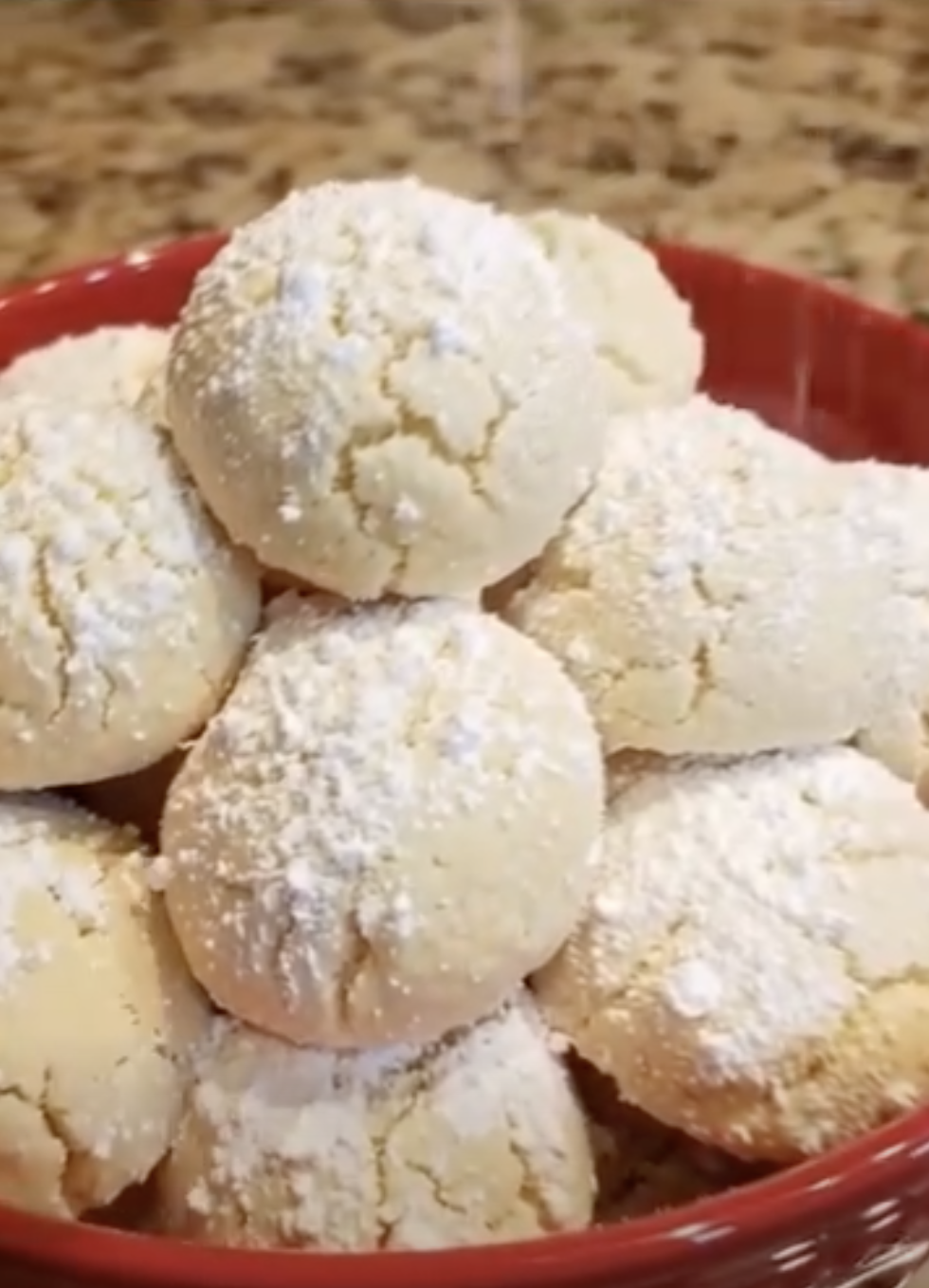
Once completely cooled, roll them again. The second coating stays fluffy and white, giving Gluten-Free Snowball Cookies their signature snowy look.
Use a shallow bowl for rolling to coat evenly without pressing too hard.
Storage and presentation
Store the cookies in an airtight container at room temperature for up to one week. Layer them gently with parchment to protect the sugar coating.
For gifting, arrange them in small boxes or tins and add a fresh dusting of sugar just before sealing. They travel well and look festive with minimal effort.
Frequently Asked Questions
Do gluten-free snowball cookies taste different?
They taste just as buttery and tender as traditional versions when made with a good flour blend.
Can I freeze the dough?
Yes. Freeze rolled dough balls and bake straight from frozen, adding a minute or two to baking time.
Why did my cookies spread too much?
Butter that is too warm can cause excess spreading. Chill the dough briefly before baking.
Can I skip the nuts entirely?
Yes, but add a few extra tablespoons of flour for better structure.
Do these cookies need refrigeration?
No. They store well at room temperature in a sealed container.
Conclusion
Gluten-Free Snowball Cookies prove that gluten-free baking can feel just as comforting and indulgent as classic recipes. With their buttery flavor, tender texture, and snowy sugar coating, they fit perfectly into celebrations or quiet moments alike. Easy to make and even easier to enjoy, these cookies deserve a spot in every winter baking rotation.

Leave a Reply