
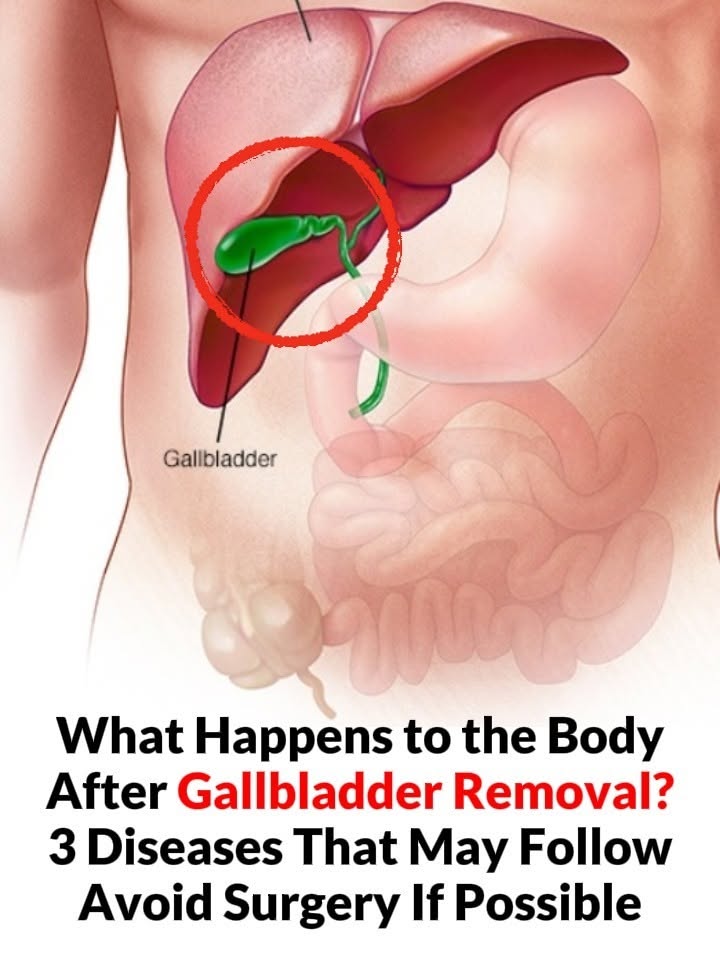
Few surgeries generate as much anxiety online as gallbladder removal. Search the internet and you’ll quickly find alarming headlines claiming that removing the gallbladder inevitably leads to digestive disasters, chronic illness, or a cascade of future health problems. While every surgery carries risks and potential side effects, many of these claims oversimplify a much more nuanced reality.
Gallbladder Removal - What Actually Happens to Your Body (Evidence-Based Facts vs. Fear-Based Claims) examines what the gallbladder does, why surgery is sometimes necessary, what recovery typically looks like, and what science actually says about life after the procedure.
A close family member underwent gallbladder removal after repeated attacks caused by gallstones. Before surgery, they spent hours reading frightening online stories that left them questioning whether they should proceed. However, after discussing the risks and benefits with their surgeon, they learned that untreated gallstones posed a greater threat than the operation itself. The recovery was smoother than expected, and within weeks they returned to normal activities. Their experience highlighted the importance of relying on evidence and individualized medical advice rather than fear-driven headlines.
Understanding the Gallbladder
What the Gallbladder Does
The gallbladder is a small organ located beneath the liver.
Its primary function is to:
- Store bile produced by the liver
- Concentrate bile between meals
- Release bile into the small intestine during digestion
Bile helps the body digest and absorb dietary fats.
When you eat, particularly meals containing fat, the gallbladder contracts and releases stored bile into the digestive tract.
Although useful, the gallbladder is not essential for survival.
What Happens Without It?
After gallbladder removal, the liver continues producing bile.
The difference is that bile flows directly from the liver into the small intestine rather than being stored in a reservoir.
A helpful comparison is removing a storage tank from a plumbing system.
The fluid still flows from the source, but it is delivered continuously rather than released in larger bursts.
Most people adapt remarkably well to this change.
Why Gallbladder Removal Is Sometimes Necessary
Gallstones and Blockages
The most common reason for gallbladder removal is gallstone disease.
Gallstones can cause:
- Severe abdominal pain
- Nausea
- Vomiting
- Inflammation
- Blocked bile ducts
In some cases, gallstones may trigger pancreatitis, a potentially serious inflammation of the pancreas.
Because of these risks, surgery may be recommended even when symptoms occur intermittently.
Other Conditions
Gallbladder removal may also be necessary for:
- Acute cholecystitis (gallbladder inflammation)
- Gallbladder dysfunction
- Certain bile duct disorders
- Rare cases of gallbladder cancer
For many patients, surgery is not simply a convenience.
It is performed to prevent serious complications that could become medical emergencies.
What Recovery Usually Looks Like




Leave a Reply