
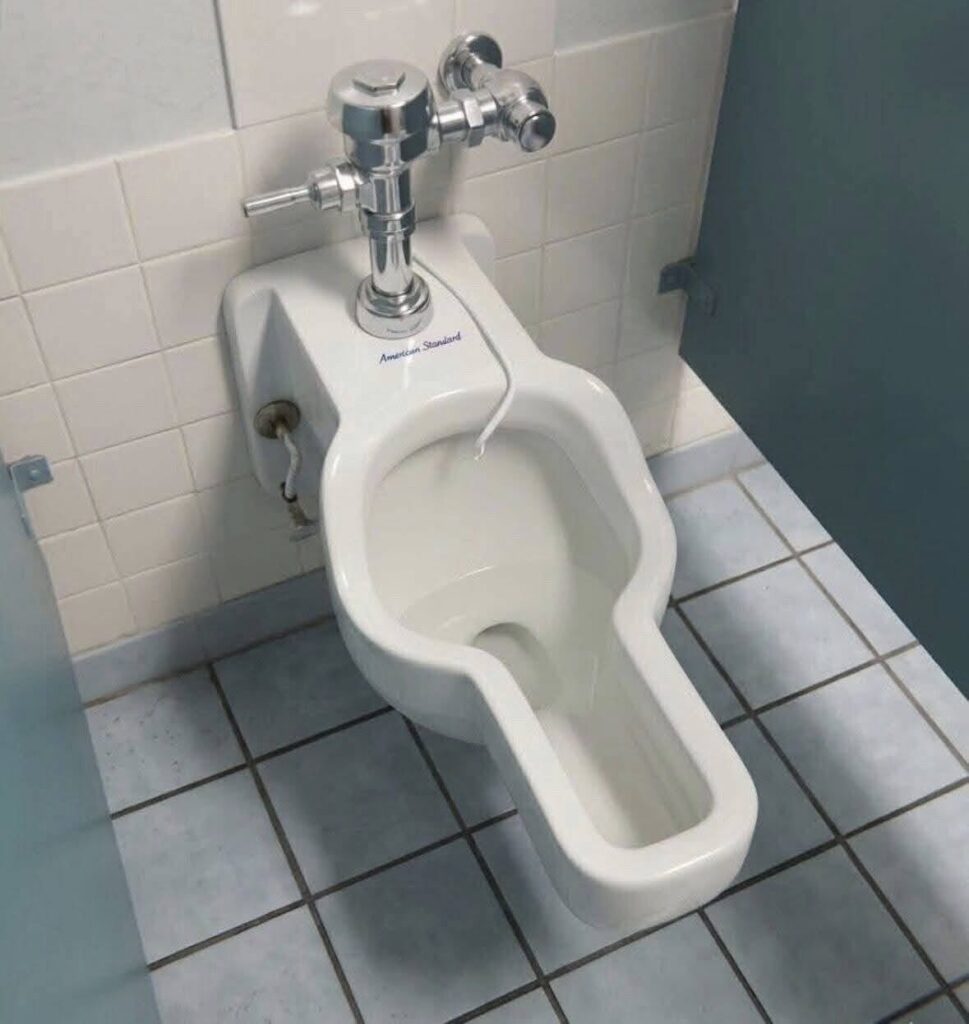
Potential Benefits of Female Urinals
Supporters of female urinals point to several possible advantages.
Faster Restroom Throughput
One of the biggest challenges in public facilities is long restroom lines.
Because female urinals can sometimes be used more quickly than traditional toilet stalls, they may help reduce wait times during busy events.
Examples include:
- Concerts
- Sporting events
- Festivals
- Large tourist attractions
Reduced Surface Contact
Many people prefer to avoid touching public toilet seats.
Female urinals can allow use without direct contact with shared seating surfaces.
Water Conservation
Some models use significantly less water than standard toilets.
Certain designs are:
- Low-flow
- Water-efficient
- Waterless
This can contribute to sustainability efforts in high-traffic facilities.
Space Efficiency
In some settings, multiple female urinals can fit into a space that would otherwise require fewer traditional stalls.
This may increase restroom capacity without expanding the building footprint.
Are Female Urinals New?
Not at all.
Although they have recently gained attention on social media, female urinals have existed for decades.
Early Experiments
Designers began exploring female urinals in Europe during the 20th century.
Modern Developments
Advances in:
- Ergonomics
- Materials
- Hygiene technology
have led to newer designs that are more practical and user-friendly than earlier versions.
Today, several manufacturers produce female urinal systems for public and commercial installations.
How Are They Used?
Specific instructions vary depending on the model.
Typically, users:
- Face the fixture.
- Stand or partially squat.
- Position themselves according to the manufacturer’s guidance.
- Use the fixture without sitting.
Many installations include diagrams or instructional signs for first-time users.
Common Questions
Do You Have to Use Them?
No.
Facilities that install female urinals generally continue to offer traditional toilet stalls as well.
Users can choose whichever option they prefer.
Are They Hygienic?
Advocates argue that reduced contact with surfaces may improve hygiene for some users.
However, overall restroom cleanliness still depends heavily on:
- Maintenance
- Cleaning schedules
- Proper facility management
Are They Comfortable?
Experiences vary.
Some users appreciate the convenience, while others prefer traditional toilets.
As with many innovations, personal preference plays a significant role.
Why Are More Facilities Testing Them?
Several trends are driving interest.
Sustainability Goals
Organizations increasingly seek ways to reduce water consumption.
Crowd Management
High-capacity venues want to improve restroom efficiency.
Innovation in Public Design
Architects and planners continually look for solutions that improve user experience.
Accessibility and Inclusion Discussions
Modern restroom design increasingly considers diverse user needs and preferences.
Challenges and Criticisms
Like any new concept, female urinals have generated debate.
Common concerns include:
User Familiarity
Many people have never encountered one before.
Initial confusion can affect adoption rates.
Privacy Preferences
Some users simply feel more comfortable using enclosed toilet stalls.
Cultural Differences
Acceptance varies significantly across regions and cultures.
Installation Costs
Retrofitting existing facilities may require additional investment.
The Future of Public Restrooms
Restroom design has changed dramatically over the years.
Features that once seemed unusual are now commonplace, including:
- Automatic faucets
- Touchless soap dispensers
- Motion-sensor flushing
- Water-saving toilets
Female urinals represent another example of ongoing experimentation in public facility design.
Whether they become widespread remains to be seen, but they reflect a broader effort to improve efficiency, sustainability, and user choice.
Final Thoughts
Female urinals may initially look surprising, especially for visitors encountering them for the first time. However, their purpose is relatively straightforward: to provide an alternative restroom fixture that may improve hygiene, reduce water usage, increase capacity, and shorten wait times in certain settings.
While they are unlikely to replace traditional toilet stalls entirely, they offer another option in the evolving landscape of public restroom design. As more facilities explore innovative approaches to sustainability and user experience, it’s possible that these fixtures will become a more familiar sight in the years ahead.
For now, they remain one of the more interesting examples of how even everyday spaces like restrooms continue to evolve.



Leave a Reply