
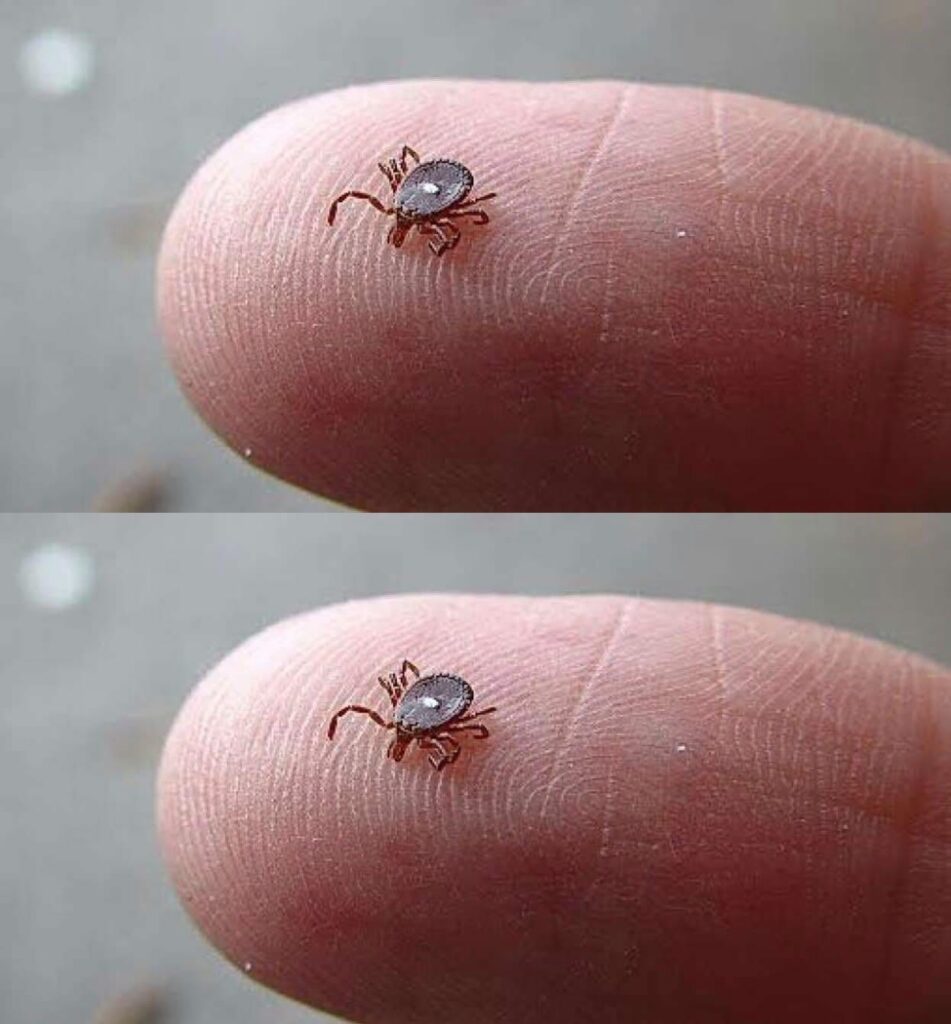
Step 1: Remove the Tick Properly
If you discover an attached tick, remove it as soon as possible.
The recommended method involves:
- Using fine-tipped tweezers
- Grasping the tick as close to the skin as possible
- Pulling upward with steady, even pressure
- Avoiding twisting or jerking movements
After removal:
- Clean the bite area with soap and water
- Apply rubbing alcohol if available
- Wash your hands thoroughly
Avoid common myths such as:
- Burning the tick
- Applying petroleum jelly
- Using nail polish
- Attempting to suffocate the tick
These methods may increase irritation and can make removal more difficult.
Step 2: Save the Tick if Possible
If practical, place the tick in a sealed container or plastic bag.
Some healthcare providers or public health agencies may find identification helpful if symptoms develop later.
Labeling the container with the date and location of exposure can also be useful.
Step 3: Monitor the Bite Area
A small amount of redness or irritation immediately after removal is common.
However, you should watch for:
- Expanding redness
- Increasing swelling
- Warmth around the bite
- Signs of infection
Not every reaction indicates disease, but changes should be noted.
Taking a photo of the bite can help you track its appearance over time.
Potential Health Concerns
Lone star ticks have been associated with several illnesses and conditions.
These may include:
- Ehrlichiosis
- Tularemia
- Southern Tick-Associated Rash Illness (STARI)
Researchers have also linked lone star tick bites to a condition known as alpha-gal syndrome in some individuals.
What Is Alpha-Gal Syndrome?
Alpha-gal syndrome is an allergic reaction that can develop after certain tick bites.
Affected individuals may experience allergic symptoms after consuming mammalian meat products such as:
- Beef
- Pork
- Lamb
Symptoms can range from mild to severe and may occur several hours after eating.
Not everyone bitten by a lone star tick develops this condition.
Symptoms to Watch For
Seek medical advice if you experience symptoms such as:
- Fever
- Chills
- Fatigue
- Headache
- Muscle aches
- Joint pain
- Rash
- Swollen lymph nodes
Symptoms can appear days or even weeks after a bite.
Prompt medical evaluation is especially important if symptoms worsen or become severe.
Protecting Yourself in the Future
Prevention remains the best defense against tick bites.
Wear Protective Clothing
When spending time in grassy or wooded areas:
- Wear long sleeves
- Use long pants
- Tuck pants into socks when appropriate
- Choose light-colored clothing to make ticks easier to spot
Use Tick Repellents
Appropriate insect repellents can help reduce exposure.
Follow product instructions carefully and use only as directed.
Perform Tick Checks
After outdoor activities:
- Examine your body carefully
- Check pets
- Inspect clothing and gear
Ticks often attach in hidden areas such as:
- Behind knees
- Under arms
- Around the waist
- Behind ears
- Along the scalp
Protect Your Yard
You can reduce tick habitats by:
- Keeping grass trimmed
- Removing leaf litter
- Clearing brush
- Creating barriers between lawns and wooded areas
When to Contact a Healthcare Professional
Many tick bites cause no illness.
However, it is wise to consult a healthcare provider if:
- The tick was attached for an extended period
- You develop symptoms afterward
- You are unsure whether the tick was fully removed
- You have concerns about infection or allergic reactions
A healthcare professional can help determine whether additional evaluation or treatment is necessary.
The Bottom Line
Discovering a lone star tick can be unsettling, but panic is rarely helpful. Prompt removal, proper wound care, and careful monitoring are usually the most important first steps.
Most tick bites do not result in serious illness. Nevertheless, understanding potential symptoms and seeking medical advice when necessary can help ensure problems are identified early.
The best approach is simple: remove the tick correctly, stay alert for symptoms, and continue enjoying outdoor activities while practicing sensible prevention measures.

Leave a Reply