
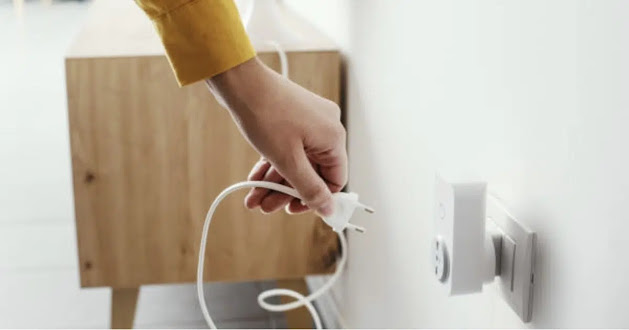
In a world filled with smart televisions, gaming consoles, coffee makers, wireless chargers, streaming devices, and connected home gadgets, electricity quietly powers nearly every aspect of daily life. Most people understand that appliances consume energy while they are operating. However, many are surprised to learn that numerous devices continue drawing power even after they have been turned off.
This hidden energy consumption is often called “vampire power,” “phantom load,” or “standby power.” While the amount used by a single device may seem insignificant, the combined effect of dozens of electronics throughout a home can lead to higher utility bills and unnecessary energy waste year after year.
The question many homeowners ask is simple: Does unplugging appliances actually save electricity?
The answer is yes. Unplugging certain appliances can reduce energy consumption and lower electricity costs. However, the reality is more nuanced than simply unplugging everything in sight. Some devices draw significant standby power, while others consume almost none. Understanding the difference can help you save money without sacrificing convenience.
Let’s explore how vampire power works, which appliances are the biggest energy offenders, which devices should remain plugged in, and the smartest ways to reduce energy waste without turning your home into a maze of unplugged cords.
Understanding Vampire Power
Many modern appliances are never truly “off.”
Decades ago, when you switched off an appliance, electricity stopped flowing entirely. Today’s electronics operate differently. Manufacturers design many products to remain partially active even when they appear to be shut down.
This standby mode allows devices to perform background functions that consumers have come to expect.
For example, your television may be waiting for a signal from the remote control. Your gaming console may be downloading updates overnight. Your smart speaker may be listening for a wake command. Your microwave may simply be powering its digital clock.
Although each function requires only a small amount of electricity, the energy use continues twenty-four hours a day, seven days a week.
Over time, those tiny power draws accumulate into measurable energy consumption.
Why Appliances Continue Using Electricity
There are several reasons modern electronics consume energy when not actively being used.
Remote Control Sensors
Televisions, streaming boxes, sound systems, and ceiling fans with remote controls remain partially powered so they can instantly respond when a button is pressed.
Digital Displays
Many kitchen appliances continuously power clocks, indicator lights, and display screens.
Network Connectivity
Smart devices often maintain Wi-Fi or Bluetooth connections even when they appear inactive.
Automatic Updates
Computers, gaming systems, printers, and smart TVs frequently download software updates in the background.
Instant-On Features
Many devices stay partially awake to reduce startup time and improve user convenience.
These features make technology easier to use, but they also create a constant demand for electricity.
How Much Electricity Does Standby Power Use?
One of the biggest misconceptions about vampire power is that the energy usage is either enormous or insignificant.
The truth lies somewhere in between.
According to energy experts, standby power can account for a meaningful portion of household electricity consumption. While the exact amount varies depending on the number and type of devices in a home, dozens of electronics drawing small amounts of power around the clock can collectively increase annual energy costs.
Consider a typical household that contains:
- Multiple televisions
- Cable or streaming devices
- Gaming consoles
- Desktop computers
- Wireless printers
- Smart speakers
- Phone chargers
- Coffee makers
- Microwaves
- Wi-Fi routers
Individually, these devices may consume only a few watts while idle. Together, they can create a continuous load that never shuts off.
Unlike appliances that cycle on and off throughout the day, standby devices often consume electricity every hour of every day.
That consistency is what makes vampire power surprisingly expensive over time.
The Biggest Energy Vampires in Your Home
Not every appliance deserves equal attention.
Some devices consume very little standby power, while others remain among the largest hidden contributors to household energy use.
Smart Televisions and Entertainment Systems
Entertainment centers are often the worst offenders.
A modern setup may include:
- Smart TV
- Streaming device
- Soundbar
- Gaming console
- Cable box
Each component may draw standby power independently.
Even when the screen is dark, these devices often remain connected to networks, waiting for updates or remote-control signals.
Because multiple electronics operate together, entertainment centers frequently become one of the largest sources of vampire power in the home.
Gaming Consoles
Modern gaming systems offer instant-on capabilities, cloud syncing, and automatic downloads.
While these features improve convenience, they can consume considerable electricity even when nobody is playing.
Switching consoles to energy-saving modes can significantly reduce standby consumption.
Computers and Monitors
Many people assume that sleep mode eliminates power usage.
While sleep mode consumes less energy than active operation, computers still draw electricity.
Desktop computers, especially those connected to external monitors and accessories, can continue consuming power long after work is finished.
Printers and Scanners
Wireless printers stay connected to home networks so they can receive print jobs instantly.
Although individual power consumption is relatively small, these devices often remain idle for long periods while continuously drawing energy.
Kitchen Appliances
Microwaves, coffee makers, toaster ovens, and similar appliances frequently maintain clocks, memory settings, or status lights.
While each device consumes only a modest amount of electricity, kitchens often contain numerous appliances operating simultaneously.
Devices You Usually Don’t Need to Unplug
While reducing vampire power is beneficial, some appliances should generally remain connected.
Refrigerators and Freezers
These appliances must remain powered continuously to preserve food safely.
Unplugging them would create far greater costs through spoiled groceries than any potential energy savings.
Internet Equipment
Routers and modems require continuous operation to maintain internet access.
Although they consume electricity constantly, disconnecting them frequently creates inconvenience and may interfere with connected devices.
Smoke and Carbon Monoxide Detectors
Safety equipment should never be unplugged.
These devices provide essential protection and require continuous power.
Medical Equipment
Home healthcare devices should remain connected according to manufacturer recommendations and medical guidance.
Large Household Appliances
Dishwashers, washing machines, and ovens typically use very little standby electricity compared with entertainment electronics.
For most households, unplugging them provides minimal benefit.
Smart Ways to Reduce Vampire Power
Fortunately, you do not need to unplug every appliance individually each day.
Several practical solutions can dramatically reduce standby energy consumption.
Use Switched Power Strips
A power strip with an on/off switch allows multiple devices to be disconnected simultaneously.
This solution works particularly well for:
- Entertainment centers
- Home offices
- Charging stations
Instead of unplugging five separate devices, you simply flip one switch.
Install Smart Power Strips
Advanced power strips automatically detect when a primary device turns off and disconnect power to related electronics.
For example, turning off a television can automatically cut power to connected speakers and gaming systems.
Use Smart Plugs
Smart plugs allow users to control outlets remotely through smartphone applications.
Many can be programmed to turn off automatically during specific hours.
Enable Energy-Saving Settings
Many modern electronics include built-in energy-saving features.
Reviewing device settings often reveals opportunities to reduce standby consumption without sacrificing convenience.
Additional Benefits Beyond Lower Bills
Saving electricity is not the only advantage of reducing vampire power.
Protection Against Power Surges
Unplugged devices cannot be damaged by electrical surges.
While surge protectors provide some defense, complete disconnection offers the highest level of protection.
Longer Device Lifespan
Reducing continuous electrical stress may help certain components last longer.
Although modern electronics are designed for constant operation, minimizing unnecessary activity can sometimes reduce wear.
Reduced Environmental Impact
Lower electricity consumption reduces demand on power generation systems.
While individual savings may seem modest, millions of households making small changes can collectively produce meaningful environmental benefits.
Better Energy Awareness
Many homeowners discover additional opportunities to save money after examining how electricity is used throughout their homes.
Awareness often leads to broader efficiency improvements.
Common Myths About Unplugging Appliances
Myth 1: Every Appliance Uses Huge Amounts of Standby Power
Not true.
Many modern devices are far more efficient than older models.
The key is identifying major contributors rather than worrying about every single cord.
Myth 2: Unplugging Everything Is Necessary
Most people can achieve significant savings by focusing on high-consumption devices.
There is no need to unplug refrigerators, safety equipment, or other essential appliances.
Myth 3: Phone Chargers Cost a Fortune
A single modern charger uses very little electricity when not connected to a device.
While unplugging chargers is a good habit, larger electronics generally offer greater savings opportunities.
Myth 4: Surge Protectors Eliminate Vampire Power
Standard surge protectors do not stop standby electricity use.
They protect against voltage spikes but continue supplying power unless switched off.
Calculating Potential Savings
The financial impact of reducing standby power depends on several factors:
- Local electricity rates
- Number of electronic devices
- Household habits
- Appliance efficiency
For some households, savings may amount to only a few dollars per month.
For others with extensive entertainment systems, multiple computers, and numerous smart devices, annual savings can be substantially higher.
Even modest savings become significant over time.
Reducing unnecessary energy consumption year after year can help offset rising utility costs while promoting more efficient household energy use.
Frequently Asked Questions
Does unplugging appliances really save electricity?
Yes. Any appliance that consumes standby power stops using electricity when completely unplugged.
What appliance wastes the most standby electricity?
Entertainment systems, gaming consoles, cable boxes, and smart televisions are typically among the largest contributors.
Is it safe to leave chargers plugged in?
Most modern chargers are designed to remain plugged in safely. However, unplugging them eliminates any standby energy use and reduces clutter.
Should I unplug my microwave?
If you don’t mind resetting the clock, unpluging it will eliminate its standby power consumption. However, the savings are relatively small.
Are smart homes more expensive to operate?
Smart devices often consume standby electricity because they remain connected to networks. However, many also improve efficiency through automation, which can offset some of that energy use.
Final Thoughts
The truth about vampire power is neither alarming nor insignificant. Many modern appliances continue using electricity after they are turned off, and collectively those small power draws can add up over time. While unplugging every device in your home is unnecessary, focusing on major energy users can reduce waste and lower utility bills without affecting your daily routine.
Simple changes such as using switched power strips, enabling energy-saving settings, and disconnecting unused electronics can provide meaningful savings while requiring very little effort. Most importantly, understanding how standby power works allows homeowners to make informed decisions about energy use rather than guessing where their electricity dollars are going.
The next time you walk through your home before bed, take a look at the glowing lights, digital clocks, and standby indicators quietly consuming power throughout the night. Turning off just a few of those hidden energy vampires could be one of the easiest ways to make your home more efficient, save money, and reduce unnecessary energy consumption for years to come.



Leave a Reply