
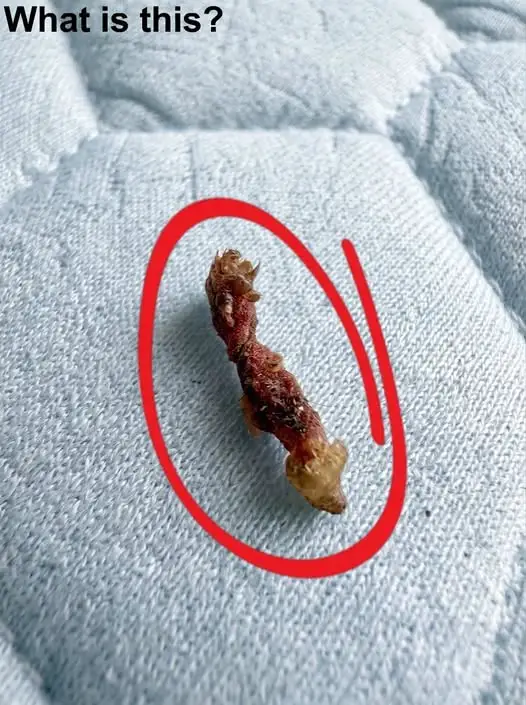
The Mystery Insect Revealed
After comparing dozens of images and consulting insect identification resources, we finally found a match.
The unusual visitor was a treehopper.
Despite its strange appearance, a treehopper is generally harmless to humans and is actually a remarkable example of nature’s creativity.
These tiny insects belong to a group related to leafhoppers and planthoppers and are commonly found on trees, shrubs, vines, and garden plants.
Most people have never heard of them, which is why finding one indoors often creates confusion.
What Is a Treehopper?
Treehoppers are small plant-feeding insects that survive by feeding on sap.
Using specialized mouthparts, they pierce plant stems and draw out nutrient-rich fluids.
They spend most of their lives outdoors among vegetation and rarely attract attention because of their small size.
What makes them memorable is their extraordinary appearance.
Some species resemble:
- Tiny thorns
- Plant buds
- Ants
- Spikes
- Leaves
- Miniature creatures from a science-fiction movie
Their bizarre shapes often cause people to mistake them for dangerous insects.
In reality, most treehoppers are completely harmless.
Why Do Treehoppers Have Horns?
The most striking feature of many treehoppers is the elaborate structure extending from their backs.
Although these structures resemble horns, they are not used for attacking predators or defending themselves physically.
Instead, scientists believe they evolved for survival purposes.
Camouflage
Many treehopper species closely resemble natural objects found on plants.
Their unusual shapes help them blend into:
- Thorns
- Twigs
- Seed pods
- Plant stems
Predators often overlook them because they appear to be part of the plant itself.
Predator Confusion
Some treehoppers use exaggerated shapes to make themselves appear larger or stranger than they actually are.
This visual deception may discourage predators from attempting an attack.
Species Recognition
Researchers also believe certain body structures may help treehoppers identify members of their own species.
Nature often uses appearance as a communication tool.
Are Treehoppers Dangerous?
The Good News
For homeowners, treehoppers are generally nothing to worry about.
They:
- Do not bite humans
- Do not sting
- Do not spread diseases to people
- Do not infest homes
Finding one indoors is usually accidental.
The insect likely wandered inside through:
- An open window
- A doorway
- A houseplant
- Fresh flowers brought indoors
Once inside, it often becomes trapped and unable to find its way back outdoors.
What Should You Do?
If you discover a treehopper inside your home, the simplest solution is to gently capture it and release it outdoors.
A cup and piece of paper work perfectly for this purpose.
Since they feed on plants rather than household materials, there is usually no reason for concern.
The Incredible Diversity of Treehoppers
One reason treehoppers fascinate entomologists is the astonishing variety of forms they display.
Scientists have identified thousands of species worldwide.
Some resemble:
- Thorns
- Tiny helmets
- Ants
- Spines
- Leaves
- Ornate sculptures
In fact, many people who encounter treehoppers for the first time assume the photographs have been digitally altered.
Nature, however, is responsible for these remarkable designs.
Why We Rarely Notice Them
Despite their unusual appearance, treehoppers often go unnoticed because they are:
- Small
- Motionless for long periods
- Expertly camouflaged
- Usually found outdoors
Many spend their lives hidden in plain sight among branches and leaves.
Unless you happen to be looking closely, you may never realize they are there.
An Unexpected Lesson in Curiosity
What began as a confusing discovery turned into an interesting lesson about the natural world.
It’s easy to assume that unfamiliar insects are dangerous or invasive. Yet many unusual creatures are simply harmless parts of local ecosystems.
The experience reminded us how much wildlife exists around us every day without attracting attention.
Sometimes all it takes is a little curiosity to uncover something fascinating.
Frequently Asked Questions
What is a treehopper?
A treehopper is a small plant-feeding insect related to leafhoppers and planthoppers.
Can treehoppers bite people?
No. Treehoppers do not bite humans and are generally harmless.
Why do treehoppers look so strange?
Their unusual shapes help with camouflage, predator avoidance, and possibly species recognition.
Are treehoppers pests?
Most species cause little concern and are considered harmless to people.
What should I do if I find one indoors?
Gently capture it and release it outside near plants or trees.
Final Thoughts
If you’ve ever discovered a strange insect with a horned or alien-like appearance and wondered what it might be, there’s a good chance it was a treehopper. These fascinating little creatures are among the most unusual insects in nature, yet they are generally harmless and beneficial members of outdoor ecosystems.
The next time you encounter one, take a moment to appreciate its remarkable design. What may initially appear mysterious or unsettling is often just another example of nature’s incredible creativity.


Leave a Reply