
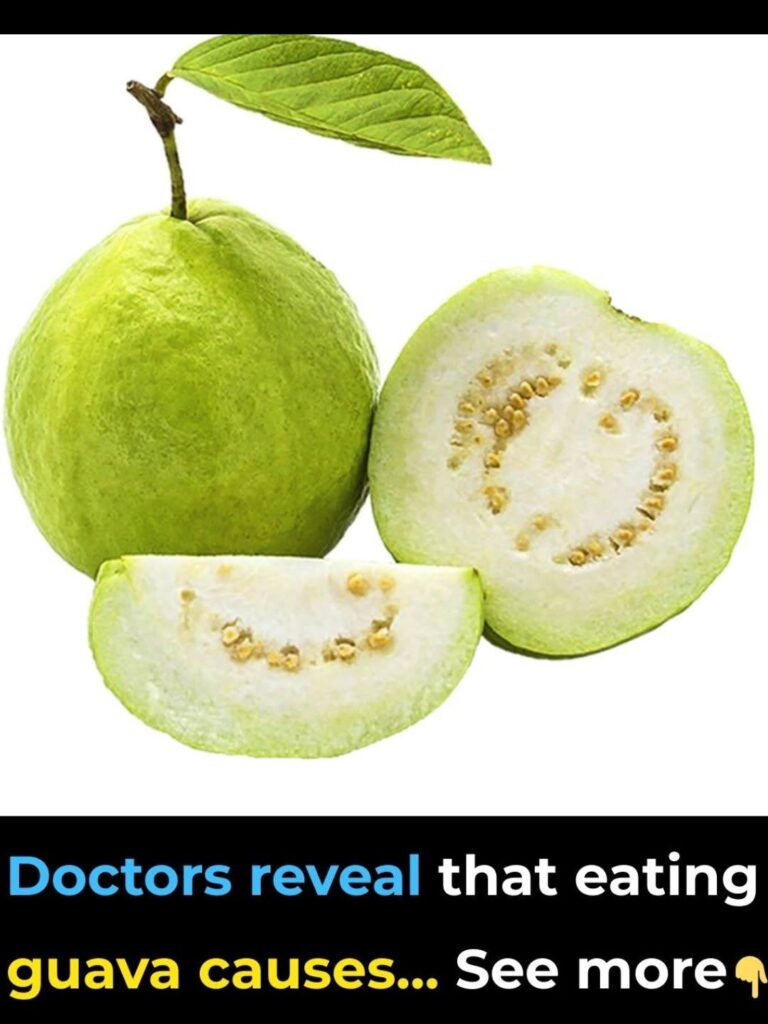
One of guava’s most impressive qualities is its exceptionally high vitamin C content.
Why Vitamin C Matters
Vitamin C supports:
- White blood cell production
- Immune cell function
- Wound healing
- Skin barrier protection
- Antioxidant defense
Healthy immune cells rely on adequate vitamin C to perform effectively.
The Guava Advantage
While oranges are often considered the classic vitamin C food, guava contains significantly more vitamin C per serving.
Regular consumption may help support normal immune function and reduce oxidative stress throughout the body.
Although no food can guarantee protection from illness, maintaining sufficient vitamin C intake is an important component of overall health.
2. Promotes Healthy Digestion
Guava is exceptionally rich in dietary fiber.
In fact, one cup provides nearly one-third of the recommended daily fiber intake for many adults.
How Fiber Supports Digestion
Fiber plays several important roles:
- Adds bulk to stool
- Supports regular bowel movements
- Helps prevent constipation
- Feeds beneficial gut bacteria
- Supports digestive comfort
Soluble and Insoluble Fiber
Guava contains both major forms of dietary fiber.
Insoluble fiber helps move waste through the digestive tract.
Soluble fiber forms a gel-like substance that supports gut health and helps maintain balanced digestion.
As a result, guava contributes to digestive regularity and overall gastrointestinal wellness.
3. Helps Support Healthy Blood Sugar Levels
Despite its natural sweetness, guava has a relatively low glycemic index.
Why This Matters
Foods with lower glycemic values generally cause slower increases in blood sugar compared with highly refined carbohydrates.
The fiber in guava helps:
- Slow glucose absorption
- Reduce rapid blood sugar spikes
- Promote steadier energy levels
What Research Suggests
Some studies have explored guava and guava leaf extracts for their potential role in supporting insulin sensitivity and glucose metabolism.
While more research is needed, whole guava appears to fit well within balanced eating plans for many people seeking better blood sugar management.
One Important Exception
Guava juice often contains much less fiber than whole fruit.
Without fiber, sugar enters the bloodstream more quickly.
Whole guava remains the preferred choice.
4. Supports Heart Health
Heart disease remains one of the leading health concerns worldwide.
Fortunately, guava contains several nutrients that support cardiovascular wellness.
Potassium Benefits
Potassium helps:
- Maintain normal blood pressure
- Support healthy muscle function
- Balance sodium intake
- Promote healthy circulation
One cup of guava provides a substantial amount of potassium.
Fiber and Cholesterol
Soluble fiber may help support healthy cholesterol levels by influencing how cholesterol is processed in the digestive system.
Antioxidant Protection
Compounds such as lycopene and quercetin help combat oxidative stress, which plays a role in cardiovascular aging.
Together, these nutrients make guava a heart-friendly fruit choice.
5. Provides Powerful Antioxidant Protection
Guava contains a variety of plant compounds that act as antioxidants.
Key Antioxidants Found in Guava
These include:
- Lycopene
- Quercetin
- Vitamin C
- Carotenoids
- Polyphenols
Why Antioxidants Matter
Daily exposure to environmental stressors creates unstable molecules known as free radicals.
Excessive free radical activity can contribute to cellular damage over time.
Antioxidants help neutralize these molecules and support overall cellular health.
Pink and red guava varieties are especially rich in lycopene, the same antioxidant found in tomatoes.
6. May Support Healthy Weight Management
Guava offers an appealing combination of nutrients for people working toward healthy weight goals.
High Fiber, Moderate Calories
A serving of guava provides:
- Significant fiber
- Relatively modest calories
- Natural sweetness
- Important vitamins and minerals
Fiber increases feelings of fullness, which may help reduce overeating.
Nutrient Density Matters
Foods that provide substantial nutrition without excessive calories can support long-term healthy eating habits.
Rather than relying on highly processed snacks, choosing whole fruits such as guava may help satisfy hunger while delivering valuable nutrients.
7. Supports Skin Health
The connection between nutrition and skin health continues to receive growing scientific attention.
Vitamin C and Collagen
Vitamin C plays a key role in collagen production.
Collagen helps maintain:
- Skin structure
- Elasticity
- Wound healing
- Tissue repair
Antioxidants and Skin Protection
Guava’s antioxidants may help protect skin cells from oxidative stress caused by environmental factors such as pollution and ultraviolet exposure.
While no food can stop aging, a nutrient-rich diet can help support healthy skin over time.
Are There Any Downsides to Eating Guava?
For most healthy individuals, guava is safe and beneficial.
However, moderation remains important.
Excess Fiber
Large amounts may cause:
- Bloating
- Gas
- Digestive discomfort
especially in people who are not accustomed to high-fiber diets.
Kidney Disease Considerations
Because guava contains potassium, individuals with advanced kidney disease should follow personalized dietary advice from their healthcare provider.
Allergies
Although uncommon, fruit allergies can occur.
Anyone experiencing symptoms after eating guava should seek medical guidance.
How to Add More Guava to Your Diet
Guava is incredibly versatile.
Easy Ways to Enjoy It
- Eat fresh slices
- Add to fruit salads
- Blend into smoothies
- Mix into yogurt
- Use in homemade salsas
- Add to oatmeal
- Pair with cottage cheese
Many people enjoy eating the entire fruit, including the edible skin and seeds.
The skin contains additional nutrients and fiber.
The Difference Between Whole Guava and Guava Juice
Whole fruit offers significant advantages over juice.
Whole Guava Provides
- More fiber
- Greater satiety
- Slower sugar absorption
- Better digestive support
Juice Often Contains
- Less fiber
- More concentrated sugar
- Faster blood sugar response
For maximum nutritional benefit, whole fruit is usually the better option.
The Bottom Line
Guava is one of the most nutrient-rich fruits available, delivering extraordinary amounts of vitamin C, substantial fiber, potassium, and a variety of powerful antioxidants.
Regular consumption may help support immune function, digestive health, blood sugar management, cardiovascular wellness, skin health, and healthy weight maintenance. Its low glycemic index and impressive nutrient density make it an excellent addition to many eating patterns.
As with any food, balance is key. Most people can safely enjoy guava as part of a varied, nutrient-rich diet while benefiting from its remarkable nutritional profile.
Sometimes the healthiest foods aren’t the trendiest-and guava is a perfect example of a tropical fruit that quietly delivers exceptional health benefits.



Leave a Reply