
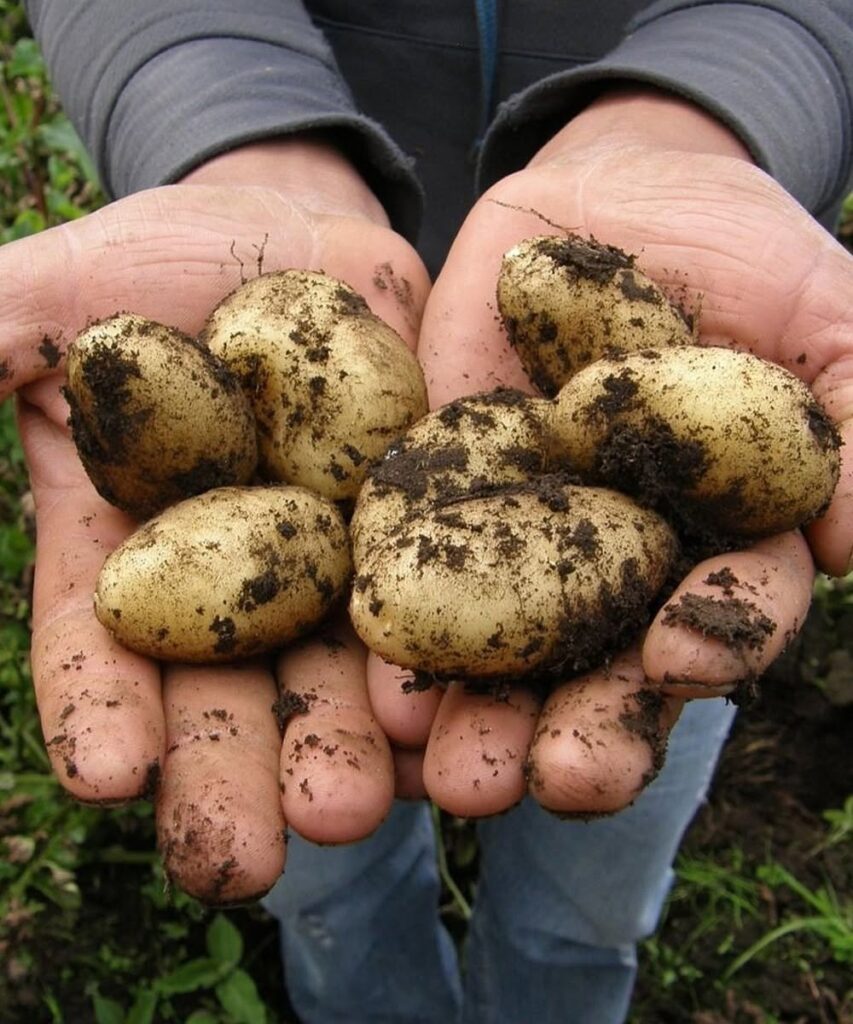
Few foods have been unfairly criticized as often as the humble potato. One day, headlines claim potatoes are responsible for weight gain. The next day, social media warns that carbohydrates should be avoided altogether. As a result, many people view potatoes with suspicion despite their long history as a nutritious staple food.
“Doctors Reveal Potatoes Cause…” - The Truth About This Misunderstood Superfood examines what nutrition science actually says about potatoes, separating myths from evidence. The reality is far less dramatic than many viral headlines suggest. Potatoes themselves are not the problem. Instead, preparation methods, portion sizes, and overall dietary patterns determine whether they contribute positively to health.
Growing up, potatoes appeared at nearly every family dinner. They were baked, boiled, roasted, and occasionally turned into hearty soups. Later, after encountering countless articles warning against carbohydrates, I began questioning whether potatoes deserved their negative reputation. The more I learned about nutrition research, the more surprising the answer became. Potatoes provide valuable nutrients, fiber, and potassium while remaining one of the most affordable foods available. That experience reinforced an important lesson: nutrition is often more nuanced than attention-grabbing headlines suggest.
Understanding the Nutritional Value of Potatoes
What Makes Potatoes Nutritious?
Potatoes contain a variety of nutrients that support overall health.
A medium baked potato with its skin provides:
- Potassium
- Vitamin C
- Vitamin B6
- Fiber
- Folate
- Complex carbohydrates
Many people are surprised to learn that potatoes contain more potassium than many commonly consumed fruits.
Potassium plays a critical role in maintaining fluid balance, supporting muscle function, and helping regulate blood pressure.
Meanwhile, vitamin C contributes to immune function and acts as an antioxidant that helps protect cells from oxidative stress.
Because potatoes are naturally fat-free and cholesterol-free, they can fit comfortably into many healthy eating patterns.
Why the Skin Matters




Leave a Reply