
🧠 What Sleep Science Says
Human sleep isn’t one long uninterrupted state.
Instead, we cycle through multiple stages every night.
These include:
- Light sleep
- Deep sleep
- REM sleep (dream sleep)
Each cycle lasts roughly 90 minutes.
As morning approaches:
- Deep sleep decreases
- Light sleep increases
- The brain becomes easier to awaken
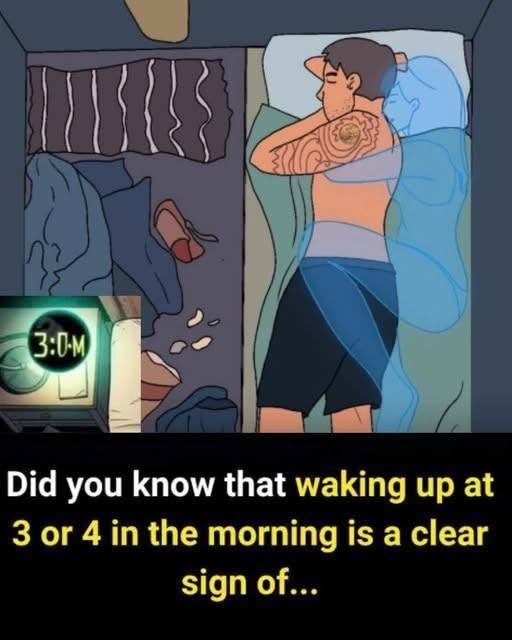
This means that waking briefly around 3 or 4 AM can actually be normal.
Most people experience short awakenings throughout the night but fall asleep so quickly they never remember them.
The problem begins when stress or alertness prevents returning to sleep.
😟 Stress and Cortisol
One major factor is cortisol.
Cortisol is often called the “stress hormone.”
Under normal circumstances:
- Cortisol is lowest during early sleep
- It gradually rises toward morning
- It helps prepare the body to wake up
However, chronic stress can disrupt this pattern.
When stress levels remain elevated, the body may become more sensitive to nighttime awakenings.
Even minor disturbances can trigger full alertness.
☕ Lifestyle Habits That May Contribute
Several everyday habits can increase the likelihood of waking during the night.
Late Caffeine
Coffee, energy drinks, tea, and soda can affect sleep much longer than many people realize.
For some individuals, caffeine consumed in the afternoon can still influence sleep hours later.
Alcohol Before Bed
Alcohol may help people fall asleep faster.
However, it often reduces sleep quality and increases nighttime awakenings.
Heavy Evening Meals
Large meals close to bedtime can contribute to:
- Indigestion
- Acid reflux
- Sleep disruption
Screen Exposure
Bright screens may interfere with the body’s natural melatonin production.
😴 Other Possible Causes
Not every early-morning awakening is emotional.
Other common contributors include:
Sleep Apnea
Possible signs include:
- Loud snoring
- Morning headaches
- Daytime fatigue
- Gasping during sleep
Restless Legs Syndrome
An uncomfortable urge to move the legs can interfere with restful sleep.
Medication Effects
Certain medications may contribute to nighttime waking.
Hormonal Changes
Changes during:
- Puberty
- Pregnancy
- Perimenopause
- Menopause
can affect sleep quality.
Medical Conditions
Pain, breathing issues, thyroid disorders, and other health conditions may also play a role.
🚫 What Not to Do at 3 AM
When you wake up, try to avoid these common traps:
Don’t Start Scrolling
Your phone provides stimulation exactly when your brain needs calm.
Don’t Watch the Clock
Repeatedly checking the time often increases frustration and anxiety.
Don’t Panic
One bad night doesn’t mean something is wrong.
Sleep naturally varies from night to night.
✅ What to Do Instead
Focus on Relaxation
Try:
- Slow breathing
- Progressive muscle relaxation
- Gentle meditation
Keep the Lights Dim
Bright light signals the brain that it’s time to wake up.
Get Out of Bed If Necessary
If you’re awake for more than 20-30 minutes, consider moving to a quiet, dimly lit room and doing something relaxing until sleepiness returns.
Practice a “Brain Dump”
Before bed, spend a few minutes writing down:
- Tasks
- Worries
- Reminders
Many people find this reduces mental clutter overnight.
When to Seek Help
Occasional early-morning waking is common.
However, consider speaking with a healthcare professional if:
- It happens several times a week for months
- You’re experiencing significant daytime fatigue
- You suspect sleep apnea
- Anxiety or depression symptoms are present
- Sleep problems interfere with daily life
Persistent sleep disruption deserves attention.
The Bottom Line
Waking up at 3 or 4 AM is not necessarily a sign of a serious illness, nor is it proof of something mystical. More often, it reflects the interaction between normal sleep cycles, stress levels, lifestyle habits, and overall health.
For many people, these early awakenings occur because the brain becomes alert during a naturally lighter stage of sleep and then latches onto worries, responsibilities, or unresolved thoughts. The good news is that understanding the pattern is often the first step toward improving it.
The next time you find yourself staring at the ceiling at 3:17 AM, remember: your body isn’t necessarily failing you. Sometimes it’s simply asking for a little more rest, a little less stress, and a little more attention to the habits that shape healthy sleep.



Leave a Reply