
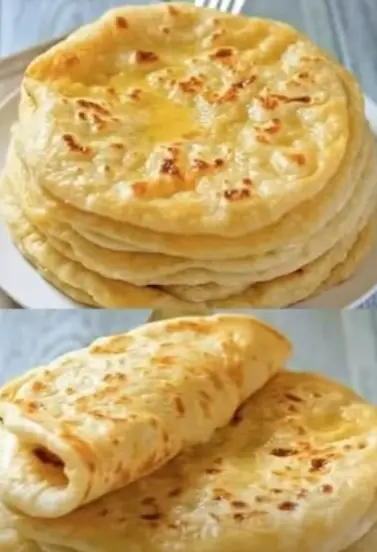
Classic Turkish Bread (Extra Fluffy) is a soft, pillowy flatbread with a golden crust that feels both comforting and special. This bread stands out because it bakes quickly, rises beautifully, and delivers a tender interior that pulls apart easily. Whether you serve it with breakfast, alongside dinner, or as part of a shared table, Classic Turkish Bread (Extra Fluffy) always feels inviting and generous.
Because this bread relies on simple pantry ingredients, it fits easily into everyday cooking. At the same time, the texture feels bakery-worthy. Moreover, the dough comes together without complicated techniques, which makes it ideal for beginners. Once you try Classic Turkish Bread (Extra Fluffy), it often becomes a repeat recipe, especially when you want something warm, fresh, and homemade.
The Story Behind This Bread
A Simple Bread With Deep Roots
Classic Turkish Bread (Extra Fluffy) has long been a staple in many homes. Traditionally, families bake soft breads daily to serve with meals, dips, and spreads. While methods vary by region, the goal remains the same: a light crumb, a soft bite, and a crust that stays tender rather than hard.
This version reflects that spirit while keeping things practical for a home kitchen. Instead of complicated shaping or long fermentation, this approach focuses on balance. Warm milk adds softness. Olive oil brings moisture. Careful rising builds structure. As a result, you get bread that feels authentic yet achievable.
A Personal Kitchen Memory
I first made Classic Turkish Bread (Extra Fluffy) on a quiet afternoon when the kitchen felt unusually calm. The dough rose slowly near a sunny window, and the smell of yeast and warm milk filled the room. When the bread came out of the oven, puffed and golden, it felt like a small success worth celebrating. Since then, this bread has become a go-to recipe whenever comfort matters more than speed.

Equipment
- mixing bowls
- baking sheet
- Parchment Paper
- Oven
Ingredients
- 4 cups all-purpose flour
- 1.5 teaspoons salt
- 1 tablespoon sugar
- 2.25 teaspoons active dry yeast
- 1 cup warm milk
- 0.5 cup warm water
- 3 tablespoons olive oil
- 1 egg yolk egg yolk (optional topping)
- 1 tablespoon water (for egg wash)
- sesame seeds or nigella seeds (optional)
Instructions
- Mix warm milk, warm water, sugar, and yeast in a bowl. Let sit 5–10 minutes until foamy.
- Combine flour and salt in a large bowl. Add yeast mixture and olive oil. Mix until a soft dough forms.
- Knead dough on a floured surface for 8–10 minutes until smooth and elastic.
- Place dough in an oiled bowl, cover, and let rise until doubled, about 1–1½ hours.
- Punch down dough, divide into two pieces, and shape into round or oval loaves.
- Place loaves on a lined baking sheet, cover, and let rise 30–45 minutes.
- Brush with egg wash if using, then sprinkle with seeds.
- Bake at 425°F (220°C) for 10–15 minutes until golden and puffed.
Notes
Nutrition
Understanding the Ingredients
Why Simple Ingredients Matter
Classic Turkish Bread (Extra Fluffy) works because each ingredient has a clear purpose. All-purpose flour creates structure without making the bread dense. Sugar feeds the yeast, which helps the dough rise evenly. Salt balances flavor and strengthens the dough.
Milk and water work together to hydrate the flour gently. Milk adds richness, while water keeps the crumb light. Olive oil, meanwhile, coats the gluten strands. Because of that, the finished bread stays soft even after cooling.
Optional Toppings That Add Character
While Classic Turkish Bread (Extra Fluffy) tastes wonderful plain, toppings add visual appeal and subtle flavor. An egg wash creates a shiny, golden surface. Sesame seeds offer nuttiness. Nigella seeds add a slightly onion-like note that feels traditional.
However, these toppings remain optional. If you prefer a simpler loaf, skip them. The bread still rises well and bakes beautifully without extras.
Step-by-Step Process for Success
Mixing and Kneading the Dough
To make Classic Turkish Bread (Extra Fluffy), start by activating the yeast properly. Warm milk and water should feel comfortable to the touch, not hot. Once the yeast turns foamy, you know it is alive and ready.
When you mix the dough, expect it to feel slightly sticky at first. That texture signals proper hydration. As you knead, the dough becomes smoother and more elastic. This step matters because kneading traps air, which later expands in the oven. Consequently, the bread becomes fluffy rather than flat.
Rising and Shaping With Care
The first rise allows the dough to double in size. During this time, patience pays off. A slow, full rise improves flavor and texture. After punching down the dough, shaping should feel gentle. You want to preserve some air while creating smooth loaves.
The second rise is shorter but just as important. It ensures the bread bakes evenly and puffs up quickly in the oven. Because Classic Turkish Bread (Extra Fluffy) bakes at a high temperature, proper proofing prevents dense spots.
Baking and Serving
Getting the Oven Right
A hot oven is essential for Classic Turkish Bread (Extra Fluffy). Preheating to 425°F creates immediate oven spring. As the loaves hit the heat, trapped gases expand rapidly. Therefore, the bread rises dramatically in the first few minutes.
Baking time stays short. In about 10 to 15 minutes, the loaves turn golden and light. Overbaking dries them out, so watch closely toward the end.
How to Enjoy This Bread
Classic Turkish Bread (Extra Fluffy) tastes best slightly warm. Slice it open and serve with butter, olive oil, or yogurt-based dips. It also pairs well with soups, stews, and grilled dishes. Even the next day, the bread stays soft enough for sandwiches or quick toasting.
Frequently Asked Questions
Why didn’t my bread rise properly?
Old yeast or liquids that are too hot often cause poor rising. Always check yeast freshness and temperature.
Can I make this bread ahead of time?
Yes. You can prepare the dough, let it rise once, and refrigerate it overnight before shaping.
Is milk necessary for this recipe?
Milk helps create the extra fluffy texture. You can use only water, but the bread will feel slightly less tender.
Can I freeze Classic Turkish Bread (Extra Fluffy)?
Yes. Cool the bread completely, wrap it tightly, and freeze for up to two months.
What makes this bread extra fluffy?
Proper hydration, enough rising time, and a hot oven all work together to create a light, airy crumb.
Conclusion
Classic Turkish Bread (Extra Fluffy) proves that homemade bread does not need to feel intimidating. With simple ingredients, clear steps, and a bit of patience, you can bake bread that feels soft, warm, and deeply satisfying. Because this recipe balances ease with authentic texture, it fits perfectly into everyday cooking. Once you experience the aroma and softness of Classic Turkish Bread (Extra Fluffy), it quickly becomes a favorite worth sharing.



Leave a Reply