
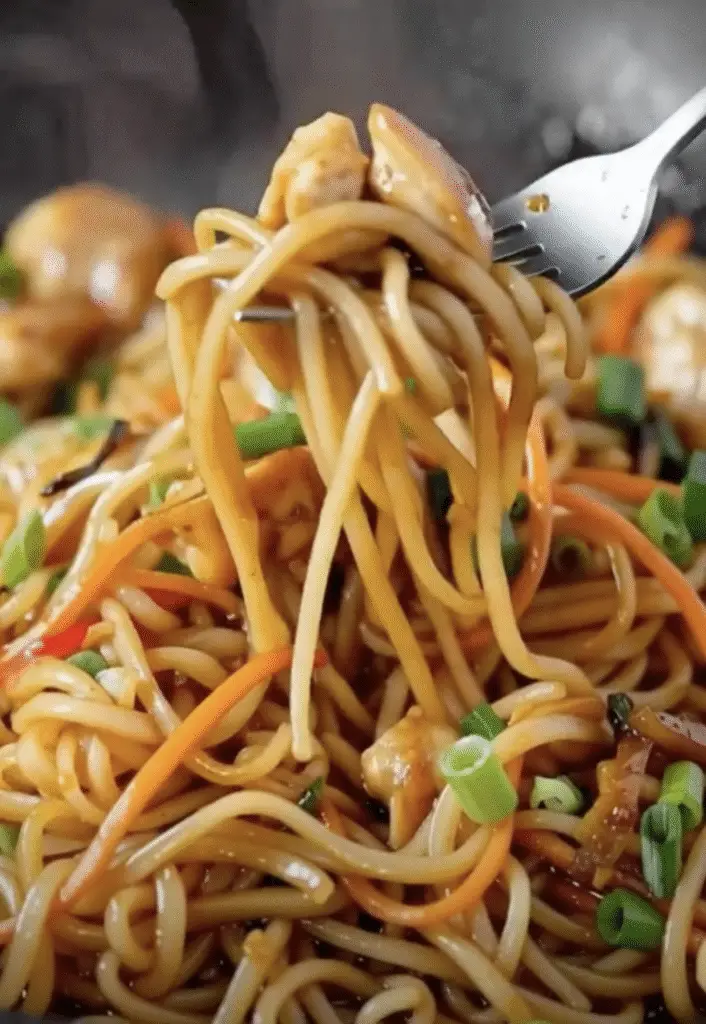
Chicken Lo Mein delivers tender noodles, savory chicken, and vibrant vegetables tossed in a rich, glossy sauce that tastes better than takeout. Because the dish comes together in just thirty minutes and uses ingredients found in any grocery store, this Chicken Lo Mein recipe offers a convenient weeknight option without sacrificing flavor. With its balanced mix of textures and umami-packed sauce, it satisfies cravings for comfort food while remaining lighter than many restaurant versions.
My love for Chicken Lo Mein started years ago when takeout became a weekly ritual on busy nights. Eventually, I wanted a homemade alternative that tasted just as satisfying but could be customized with fresh vegetables and lean protein. After experimenting with different sauces, I found a version that delivered the same savory richness with half the sodium and none of the mystery ingredients. The first time I served it to my family, the entire pan disappeared in minutes. From that night forward, this Chicken Lo Mein became a staple in my kitchen—simple, adaptable, and always crowd-pleasing.
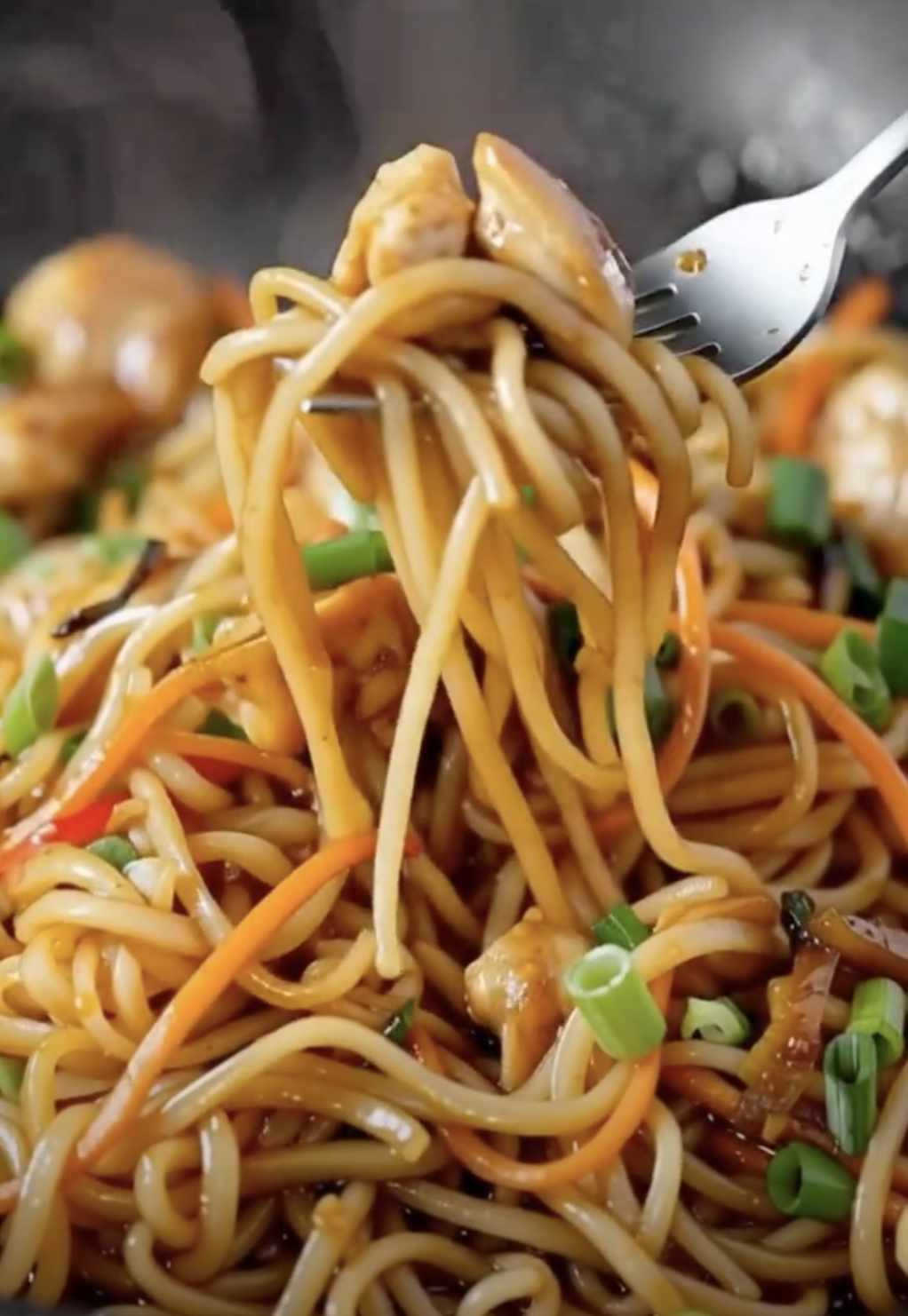
Equipment
- large skillet or wok
- mixing bowls
- Cutting board and knife
- Tongs or spatula
- Pot for noodles
Ingredients
- 8 oz lo mein noodles or spaghetti
- 1 lb boneless skinless chicken breasts, thinly sliced
- 2 tbsp soy sauce (for marinating chicken)
- 1 tbsp cornstarch
- 2 tbsp vegetable oil
- 1 red bell pepper, thinly sliced
- 1 cup shredded carrots
- 1 cup snap peas or snow peas
- 3 green onions, sliced
- 1/4 cup low-sodium soy sauce
- 2 tbsp oyster sauce
- 1 tbsp hoisin sauce
- 1 tbsp sesame oil
- 1 tbsp brown sugar
- 2 tsp minced garlic
- 1 tsp grated fresh ginger
- 1/4 cup chicken broth or water
Instructions
- Cook noodles according to package instructions. Drain and set aside.
- Toss sliced chicken with soy sauce and cornstarch. Brown in a skillet and remove from pan.
- Stir-fry bell pepper, carrots, and snap peas in oil until tender-crisp.
- Whisk together low-sodium soy sauce, oyster sauce, hoisin, sesame oil, brown sugar, garlic, ginger, and broth.
- Return chicken to pan. Add noodles and sauce, stir-frying to coat evenly.
- Garnish with sliced green onions and serve hot.
Notes
Nutrition
Why Chicken Lo Mein Works Every Time
Balanced Flavor in Every Bite
Chicken Lo Mein succeeds because the sauce blends salty, sweet, and aromatic notes in perfect harmony. Soy sauce and oyster sauce deliver umami depth, hoisin sauce adds gentle sweetness, brown sugar balances acidity, and sesame oil provides nutty warmth. Garlic and ginger brighten the dish, while chicken broth loosens the sauce so it coats noodles evenly. Because the flavors develop quickly during high-heat stir-frying, the dish tastes bold without requiring prolonged cooking.
A Customizable Dish Made for Home Cooking
One reason Chicken Lo Mein remains a favorite is its flexibility. Nearly any vegetable works, making it a great way to use produce already in your refrigerator. Sweet peppers, cabbage, mushrooms, broccoli, or baby corn all fit naturally into the stir-fry. The recipe also adapts easily to different proteins—shrimp, pork, beef, tofu, or even rotisserie chicken. That versatility ensures the dish fits any dietary preference or available ingredients.
Preparing the Chicken and Noodles
Creating Tender, Flavorful Chicken
Thinly slicing chicken breasts ensures quick, even cooking. Tossing the chicken in soy sauce and cornstarch helps season the meat while forming a light coating that browns beautifully during stir-frying. As the chicken cooks, the cornstarch helps lock in moisture for tender, juicy pieces.
Once browned, removing the chicken from the pan prevents overcooking during vegetable preparation. This step keeps the meat tender when returned to the dish later.
Choosing and Cooking the Noodles
Traditional lo mein noodles offer the best texture because they are soft, springy, and built to absorb sauce without becoming mushy. However, spaghetti works as a reliable substitute since its thickness and bite mimic classic lo mein. Cooking the noodles to just tender—never overly soft—ensures they hold up when tossed with the sauce and vegetables.
After draining, lightly rinsing and tossing the noodles prevents sticking and allows them to stir-fry more smoothly.
Stir-Frying the Vegetables
Building Color and Crunch
The vegetables in this Chicken Lo Mein provide color, texture, and freshness. Sliced red bell pepper adds sweetness and brightness. Carrots introduce crunch, while snap peas or snow peas contribute crisp, juicy contrast. Stir-frying them over medium-high heat helps maintain their texture.
Because each vegetable cooks at a different rate, layering them into the skillet keeps the dish well balanced. Starting with the firmer vegetables and ending with the softer ones helps preserve shape and flavor.
Bringing It All Together
Once the vegetables reach a tender-crisp texture, the chicken returns to the pan along with the noodles. Quickly tossing everything together ensures the flavors distribute evenly. Adding the prepared sauce at this moment coats the ingredients with a glossy finish and allows the aromatic garlic and ginger to bloom.
Making the Perfect Lo Mein Sauce
Flavor Components That Matter
This Chicken Lo Mein sauce blends several pantry staples to achieve depth and balance. Low-sodium soy sauce keeps saltiness under control while contributing savory richness. Oyster sauce adds body and complexity. Hoisin sauce provides mild sweetness and subtle spice. Brown sugar smooths the flavors and enhances caramelization. Sesame oil offers warm, nutty notes that instantly evoke restaurant-style stir-fries.
Adjusting the Sauce to Taste
The sauce adapts easily to personal preference. For more sweetness, increase the brown sugar slightly. For extra saltiness, add a splash of soy sauce. To make the dish spicier, stir sriracha or crushed red pepper into the sauce before combining it with the noodles. Chicken broth or water helps thin the sauce so it clings without overwhelming the dish.
Tips and Variations
Adding Spice
A drizzle of sriracha or a pinch of crushed red pepper turns the dish into a spicy Chicken Lo Mein variation that heats up the savory base without overtaking it.
Using Rotisserie Chicken
If you need a quicker option, rotisserie chicken works well. Since it is already cooked, simply toss it with the sauce and noodles after the vegetables finish cooking.
Changing the Vegetables
Cabbage, bean sprouts, mushrooms, broccoli, or zucchini all adapt seamlessly. Because Chicken Lo Mein is designed for customization, feel free to use what you have.
Switching the Noodles
If lo mein or spaghetti are unavailable, linguine or ramen noodles also work as long as they are cooked al dente and tossed promptly.
FAQ
Can I make Chicken Lo Mein gluten-free?
Yes. Use gluten-free tamari, gluten-free hoisin, and rice noodles or GF spaghetti.
Why did my noodles stick?
They may have cooled too long. Toss with a small amount of oil after draining to prevent clumping.
Can I double the recipe?
Absolutely. Stir-fry the ingredients in batches to avoid overcrowding the pan.
Can I meal prep Chicken Lo Mein?
Yes. It reheats well, though noodles may soften slightly. Warm gently in a skillet for best texture.
Can I substitute the chicken?
Shrimp, pork, beef, or tofu make excellent substitutes.
Conclusion
Chicken Lo Mein brings together tender noodles, juicy chicken, and vibrant vegetables coated in a balanced, savory sauce that tastes better than takeout. Because the dish cooks quickly and adapts to almost any ingredient on hand, it becomes a weeknight staple that feels both practical and satisfying. Whether you customize it with extra vegetables, spice, or different proteins, this Chicken Lo Mein remains a flavorful, dependable classic for home cooks.


Leave a Reply